




























Israel Warns of Retaliation Over Expected UK Sanctions
Israeli ministers Bezalel Smotrich and Itamar Ben-Gvir demanded retaliatory action Tuesday as Britain prepared to announce new sanctions tied to West Bank settlement products.

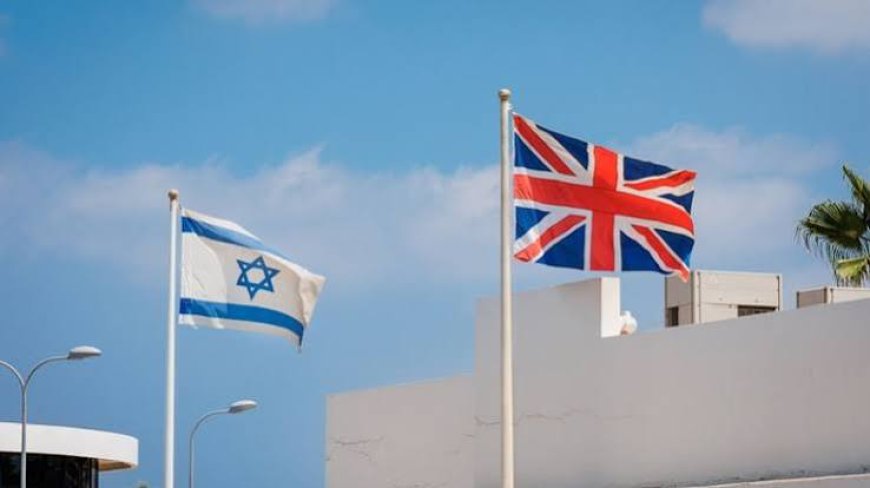
Relations between London and Tel Aviv sank further on Tuesday after two senior Israeli cabinet ministers publicly demanded retaliatory measures against the United Kingdom, hours before Britain was expected to unveil a fresh round of sanctions tied to Israeli settlement activity in the occupied West Bank.
Israeli Finance Minister Bezalel Smotrich called for the immediate expulsion of the British ambassador to Israel, accusing London's Labour government of pursuing what he characterized as a hostile and discriminatory policy toward the Israeli state. In a social media post, Smotrich said Israel would not allow itself to be treated dismissively by a government he accused of using Israel as a distraction from domestic economic troubles.
National Security Minister Itamar Ben-Gvir went further, calling on Prime Minister Benjamin Netanyahu to impose reciprocal sanctions on Britain for as long as what he termed the occupation of Argentine territory in the Falkland Islands continues — an unusual comparison seemingly intended to turn colonial-era grievances back on London. Ben-Gvir argued that Britain's own history of territorial disputes undercut its standing to criticize Israeli settlement policy.
What the Expected Sanctions Would Target
According to reports circulating in Israeli media, the anticipated measures would include restrictions on the import and sale of goods produced within Israeli settlements located in the West Bank, territory considered occupied under international law. If confirmed, the move would place Britain alongside Spain, the Netherlands and Belgium, all of which have already adopted similar restrictions on settlement-linked products.
The expected announcement follows a period of steadily worsening ties between the two governments. Britain formally recognized a Palestinian state in September 2025, a decision made alongside similar moves by Australia and Canada, and one that drew sharp criticism from Israeli officials at the time. That recognition came after London had already suspended roughly 30 arms-export licenses covering equipment considered potentially usable in Israeli military operations in Gaza.
London had also previously imposed a travel ban and asset restrictions on Smotrich and Ben-Gvir themselves, citing their public remarks and policy positions related to the conflict, a move that has fueled lasting personal animosity between the ministers and the British government.
A Pattern of Escalating Friction
Tuesday's exchange fits into a broader pattern of deteriorating relations that has played out over recent months. British officials have periodically signaled growing frustration with the pace and direction of Israeli policy in the occupied territories, while Israeli leaders have accused London of applying a double standard and abandoning what they describe as a historically balanced approach to the conflict.
Israel's Foreign Minister has separately warned in recent days that any new sanctions would trigger a firm response from Jerusalem, describing the British government's approach as systematically adversarial. That rhetoric suggests Tuesday's ministerial statements are unlikely to be the final word, with further diplomatic measures — potentially including retaliatory economic steps — plausible if Britain proceeds with the anticipated sanctions.
Regional and International Stakes
For audiences across the Gulf and the wider Arab world, the dispute carries significance well beyond the bilateral relationship between London and Tel Aviv. Settlement expansion in the West Bank remains one of the most contentious issues in the broader Israeli-Palestinian conflict, and any Western government's decision to formally restrict trade tied to settlements is often viewed as a meaningful, if largely symbolic, shift in international pressure on Israeli policy.
Diplomats tracking the situation note that Britain's decision — if it proceeds as expected — would represent one of the more concrete actions taken by a major Western power against settlement activity in recent years, distinguishing it from more common diplomatic statements of concern that rarely carry economic consequences.
What Comes Next
Britain's Secretary of State for Work and Pensions indicated that the government intended to formally announce its sanctions package on Tuesday, though the precise scope and timing of implementation remained unclear at the time of writing. Israeli officials have signaled they are prepared to respond, though it remains uncertain whether that response will take the form of formal government policy or continue as rhetorical pressure from individual ministers.
Analysts caution that the dispute is unlikely to be resolved quickly, given the deep disagreements between the two governments over both the legal status of the settlements and the broader trajectory of the conflict. As both sides stake out increasingly firm positions, the coming days are likely to bring further statements, and possibly formal diplomatic measures, from both London and Jerusalem.