




















Iran to Declare Hormuz "Prohibited Zone" — Gulf Alert
Iran's top security official says a new prohibited zone near the Strait of Hormuz will be announced within days, threatening sanctions on ships that enter.

A New Layer of Uncertainty Over the World's Busiest Oil Corridor
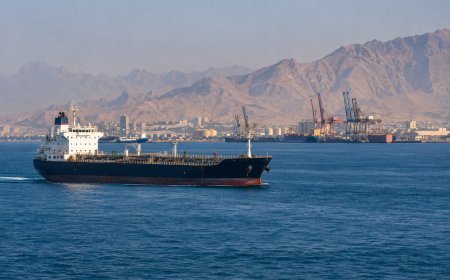
Gulf shipping lanes are bracing for another jolt after Iran's most senior security official signalled that Tehran will soon carve out a new restricted zone around the Strait of Hormuz, one of the most consequential chokepoints in global energy trade.
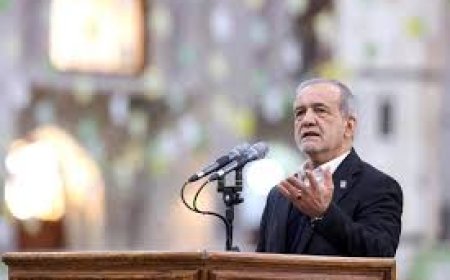
Mohsen Rezaei, secretary of Iran's Supreme National Security Council, said in remarks broadcast on state television that authorities would formally unveil the zone within days. According to Rezaei, the boundary would begin at the line where the United States Navy currently maintains its blockade and would extend into sections of the Persian Gulf itself. Any vessel that crosses into the area without first coordinating with Iranian authorities, he said, would be added to Tehran's sanctions list, a designation that could complicate a ship's insurance coverage and its ability to pass through the strait in the future.
Context of an Already Tense Waterway
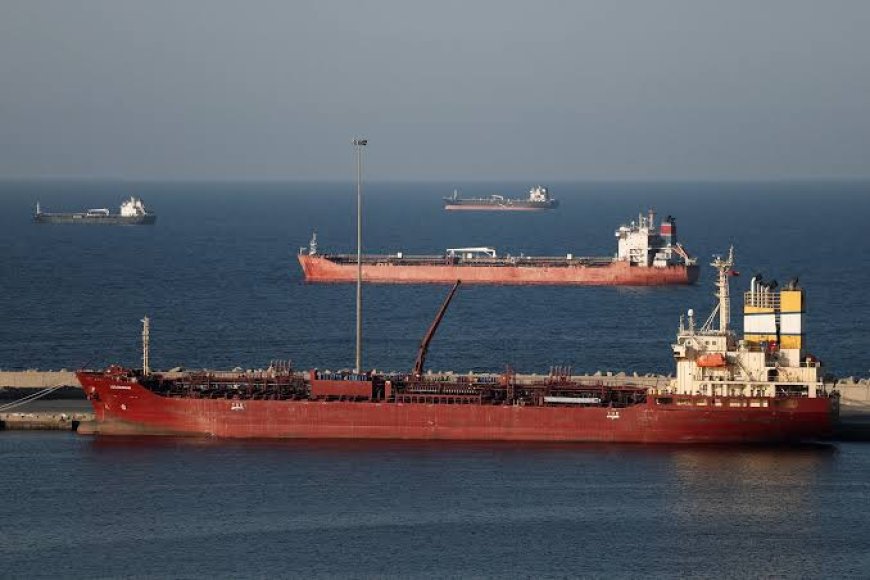
The warning does not emerge in isolation. Since fighting between the United States, Israel and Iran escalated earlier this year, the Strait of Hormuz — through which roughly a fifth of the world's seaborne oil and a similarly outsized share of liquefied natural gas normally passes — has effectively become a contested corridor. Traffic through the strait has dropped sharply from pre-conflict levels, with Iranian officials describing daily transits now numbering only in the single digits, largely vessels carrying goods considered essential to the Islamic Republic.
Rezaei reiterated that Iran considers the strait "completely closed" to shipping it has not sanctioned, dismissing suggestions from Washington that normal passage has resumed. He also referenced plans for a new corridor to be jointly managed with Oman, framed as an alternative route that would remain under Iranian oversight.
The announcement follows a period of intensifying rhetoric from Tehran. Mohammad Bagher Ghalibaf, the speaker of Iran's parliament and a senior figure in nuclear and security negotiations, said over the weekend that the period of calibrated, proportionate responses had ended, and that any future violation of Iranian interests would be met with a faster and more severe reaction.
Why It Matters for the Gulf and Beyond
For Gulf states, the stakes of any disruption to Hormuz traffic are difficult to overstate. Saudi Arabia, the United Arab Emirates, Kuwait and Qatar all rely on the strait, directly or indirectly, to move crude, refined products and gas to international markets. Even the perception of elevated risk tends to move oil prices, insurance premiums and freight rates, effects that ripple through government budgets across the region that depend heavily on energy revenue.
Gulf officials have spent recent months trying to balance two priorities: avoiding entanglement in the wider confrontation between Iran, Israel and the United States, while also protecting the flow of trade that underpins their economies. Riyadh and Abu Dhabi have both publicly urged restraint from all sides and have continued to expand security cooperation with Washington, even as they maintain diplomatic channels with Tehran.
Energy analysts have noted that any new Iranian-declared exclusion zone, even one that is more rhetorical than immediately enforceable, tends to raise the risk premium built into oil markets. Prices had already been volatile through the year as traders weighed the odds of a wider escalation against periodic diplomatic overtures between Washington and Tehran.
A Fragile Peace Process in the Background
The current standoff traces back to a memorandum of understanding reached between the United States and Iran earlier this year, an agreement Tehran says Washington has failed to fully honour. Rezaei tied the reopening of the strait directly to the United States taking what he called practical steps to meet its obligations under that memorandum — effectively linking freedom of navigation in one of the world's most strategic waterways to the broader, unresolved diplomatic standoff between the two countries.
For now, few operational details of the new zone have been disclosed, and it remains unclear how Iran intends to enforce restrictions against vessels it does not directly control. But the announcement itself is likely to keep shipping insurers, energy traders and Gulf policymakers on edge in the days ahead, as the region continues to navigate one of its most volatile periods in recent memory.
Maritime security officials and shipping associations are expected to issue updated guidance to vessel operators once further details of the zone's boundaries are made public.