



















Trump Calls Iran War 'Small Potatoes': Gulf Reacts
Trump downplayed the seven-month Iran conflict as "small potatoes," but Gulf states, including Saudi Arabia, remain wary of the war's economic and security fallout.

A Casual Remark With Serious Regional Weight
A single phrase from the Oval Office has landed heavily across the Gulf this week. Speaking to reporters on Friday, US President Donald Trump brushed aside the scale of Washington's ongoing military entanglement with Tehran, describing it as "small potatoes" for the United States. The comment, intended to downplay the conflict's significance to the American public, has instead drawn sharp attention from governments across the Gulf, where the war's consequences are being felt far more directly.
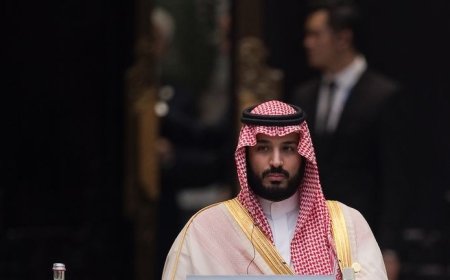
For policymakers in Riyadh and neighboring capitals, the remark underscores a widening gap between how Washington frames the conflict and how it is actually experienced in the region. Seven months into the confrontation, Gulf states have absorbed missile fire, disrupted shipping, and a steady climb in energy costs, even as the American president insists the fighting remains limited and manageable.
Seven Months Without a Clear End
The conflict, which escalated after coordinated Israeli-American strikes on Iranian nuclear infrastructure earlier this year, has settled into a grinding pattern of intermittent exchanges rather than sustained warfare. Trump himself acknowledged this dynamic, telling reporters that US forces are not "fighting right now" despite having carried out fresh strikes days earlier. His remarks came a day after Vice President JD Vance argued that the fighting should not even be labeled a war, insisting there was no active combat at the time he spoke.
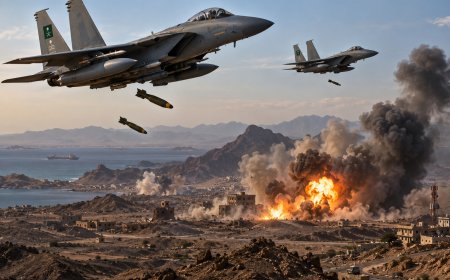
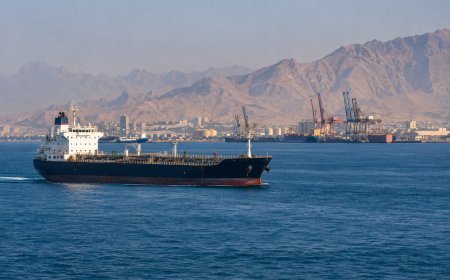
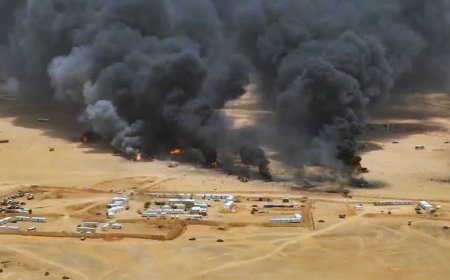
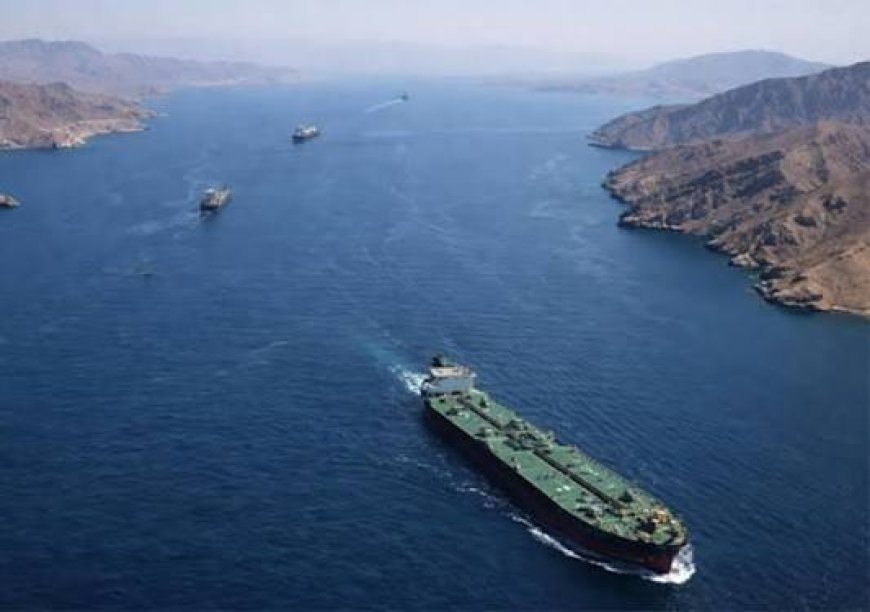
That framing sits uneasily alongside recent events. Iranian forces have targeted US allies in the Gulf, including a strike on Kuwait, in what analysts describe as retaliation for American operations against Iranian assets. The US, in turn, has continued intermittent strikes and has moved to protect commercial shipping in the Strait of Hormuz, a waterway through which a significant share of the world's oil exports pass.
Gulf States Caught in the Middle
For Saudi Arabia and its neighbors, the stakes extend well beyond diplomatic optics. The Kingdom shares maritime borders and economic interests directly tied to stability in the Gulf, and any escalation carries the risk of disrupting trade routes, energy exports, and regional security arrangements built up over decades. Gulf governments have consistently urged restraint from all sides, wary that further escalation could drag them into a wider confrontation neither side has explicitly sought.
Analysts tracking the conflict note that Iran's calculus appears constrained by its own relationships with Gulf neighbors. Tehran has sought to raise pressure on Washington and its allies without triggering a coordinated Gulf response that could invite a resumption of larger-scale American operations. This delicate balancing act has kept the conflict simmering rather than boiling over, but it has also left regional governments navigating a prolonged period of uncertainty.
Economic Fallout Ripples Through Markets
The financial toll of the conflict is becoming harder to ignore. Fuel prices in the United States have surged to their highest levels in years, with diesel reportedly touching record highs ahead of the Labor Day holiday weekend. Globally, energy markets have absorbed repeated shocks tied to disruptions in and around the Strait of Hormuz, a corridor critical to Gulf oil exporters, including Saudi Arabia.
Estimates of the war's direct cost to US taxpayers have climbed past $37 billion, according to figures cited in American media coverage, alongside the deaths of at least 18 US service members. These figures have fueled growing skepticism at home, with a recent poll finding that a majority of American adults disapprove of the military campaign against Iran. With midterm elections approaching in November, the political pressure on the Trump administration to demonstrate progress, or at least contain the conflict's visible costs, is intensifying.
A Region Watching Washington's Next Move
For Gulf observers, the disconnect between Washington's language and the region's lived experience of the conflict is telling. Describing months of strikes, casualties, and market disruption as insignificant risks minimizing concerns that Gulf governments have raised repeatedly through diplomatic channels. Saudi Arabia, alongside other regional states, has previously condemned attacks affecting its neighbors and has signaled that continued escalation could force a broader reassessment of regional security cooperation.
As talks aimed at ending the conflict remain deadlocked, the coming weeks are likely to test whether Washington's "small potatoes" framing holds up against the reality unfolding across the Gulf. For now, regional governments appear focused on containment: protecting shipping lanes, shielding economies from further shocks, and pressing, quietly but consistently, for an off-ramp that neither side has yet found.