




















Saudi Aramco Hikes September Propane, Butane Prices
Saudi Aramco has raised its September contract prices for propane and butane, lifting the key benchmark used to price LPG exports across the Middle East and Asia-Pacific.

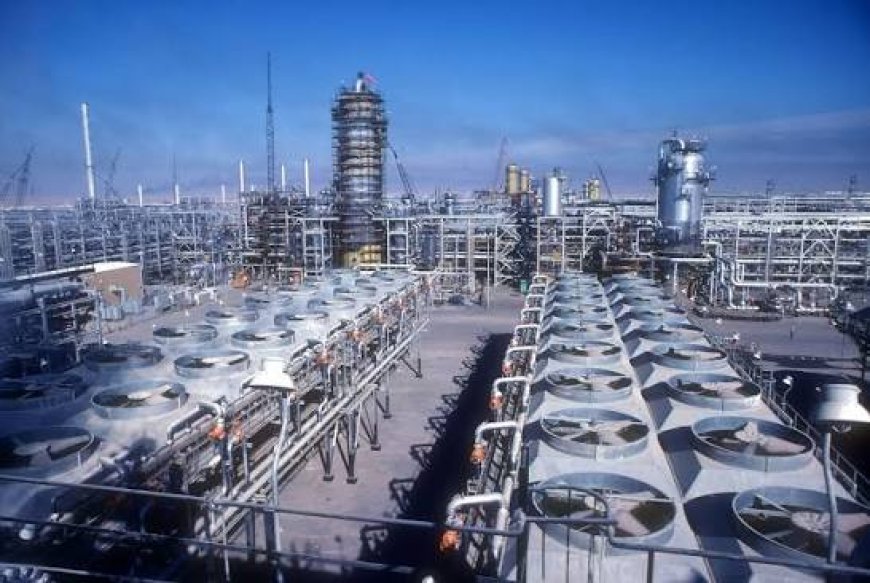
Saudi Aramco has raised its official selling prices for propane and butane heading into September, lifting a key pricing benchmark that ripples across liquefied petroleum gas markets throughout the Middle East and Asia-Pacific region.
The state oil giant increased its September contract price for propane by five dollars per tonne to  660, according to figures released by the company. The adjustments continue a pattern of month-to-month fluctuations that have characterized the LPG market for much of the year, driven by a mix of seasonal demand shifts, global supply dynamics, and broader energy market volatility.
Why Aramco's Pricing Matters Beyond Saudi Arabia
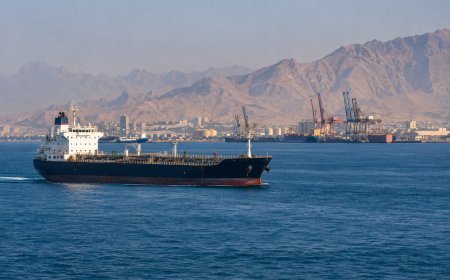
Aramco's monthly official selling prices, commonly referred to across the industry simply as OSPs, function as the reference point against which the vast majority of Middle Eastern LPG contracts to Asia are priced. That makes the monthly announcement closely watched not just by traders and refiners inside Saudi Arabia, but by importers, distributors, and industrial buyers across major Asian markets who rely on the benchmark to plan procurement and manage costs.
Propane and butane, both categorized as liquefied petroleum gas, differ primarily in their boiling points, a distinction that shapes how each is used commercially. Propane tends to be favored in colder climates for home heating given its lower boiling point, while both products serve as essential feedstocks for petrochemical production and as fuel sources for vehicles and industrial processes across the region.
Seasonal Patterns and Market Signals
Industry analysts note that LPG pricing typically strengthens as markets move toward the winter heating season, when demand for propane in particular rises sharply in colder regions of Asia and elsewhere. Suppliers that struggle to keep pace with that seasonal uptick in demand often see prices climb correspondingly, a dynamic that appears to be reflected, at least in part, in this month's increase.
That said, LPG pricing has shown considerable volatility across 2026 more broadly, with monthly contract prices fluctuating substantially depending on global supply conditions, shipping availability, and broader crude and gas market trends. Earlier in the year, propane contract prices touched levels considerably higher than September's figure before easing back, illustrating just how sensitive the benchmark remains to shifting global conditions.
A Snapshot of Saudi Arabia's Wider Economic Position
The monthly LPG price announcement, while a routine part of Aramco's operations, offers a useful window into the broader health of Saudi Arabia's energy-driven economy at a moment when the Kingdom continues working to diversify its revenue base under its Vision 2030 program. Petrochemical exports, of which LPG products form an important component, remain a significant contributor to non-oil economic activity even as Riyadh pushes to expand sectors like tourism, technology, and entertainment.
Aramco's pricing decisions also arrive against a backdrop of continued regional uncertainty tied to the broader conflict involving Iran, which has periodically disrupted shipping routes and aviation corridors across the Gulf throughout the year. While there is no direct indication that regional security concerns played a role in this particular pricing adjustment, energy analysts note that Gulf producers have generally sought to maintain stable and predictable supply commitments to reassure international buyers even amid heightened regional tensions.
What Comes Next for Buyers
For importers across Asia-Pacific markets, the higher September benchmark will likely translate into modestly increased costs for propane and butane shipments sourced from the Middle East in the near term. Buyers and traders will be watching closely to see whether the upward trend continues into October, particularly as colder months approach and seasonal heating demand typically begins to firm up global LPG markets more broadly.
As with every month, Aramco's next pricing announcement will offer another data point in a market that has proven anything but predictable throughout 2026, and one that continues to serve as a bellwether for energy trends stretching well beyond Saudi Arabia's own borders.