














Saudi Arabia to Host EU-GCC Summit on Oct 24
Riyadh will host the second EU-GCC summit on October 24, bringing together European and Gulf leaders to deepen trade, security and diplomatic ties amid regional tensions.

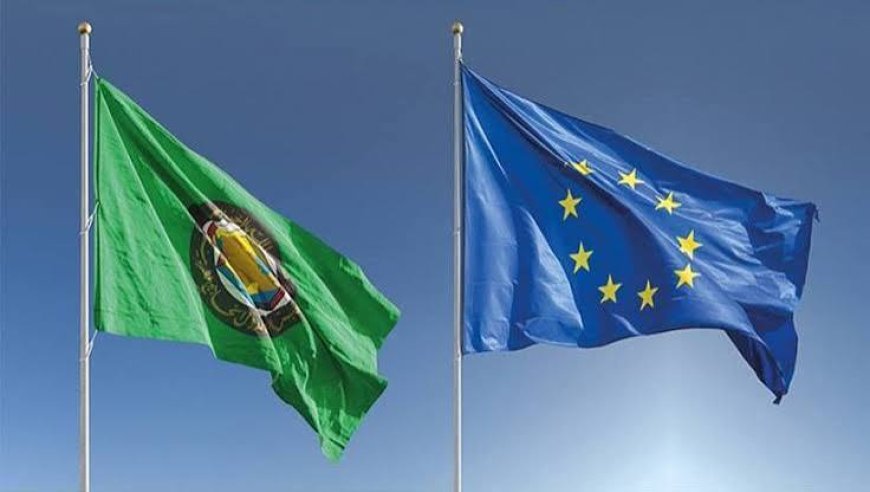
Saudi Arabia has confirmed it will host the second summit between European Union and Gulf Cooperation Council leaders in Riyadh on October 24, a gathering officials on both sides are describing as a pivotal moment for a partnership that has grown rapidly in strategic importance over the past two years.
The announcement, confirmed through official EU channels, sets the stage for a high-level meeting between the bloc's top leadership and heads of state from the six GCC nations: Saudi Arabia, the United Arab Emirates, Qatar, Kuwait, Bahrain and Oman.
From Brussels to Riyadh
The summit builds directly on the inaugural EU-GCC meeting held in Brussels in October 2024, where leaders agreed to institutionalize their dialogue by meeting every two years. That first gathering was billed as a strategic partnership for peace and prosperity, and it set in motion working-level discussions on trade, climate, energy, and regional security that have continued since.
On the European side, the Riyadh summit will be co-chaired by the President of the European Council alongside the President of the European Commission, underscoring how seriously Brussels is treating the relationship. The European Union remains one of the GCC's largest trading partners, and officials on both sides have spent the past year working to translate political goodwill into more concrete economic commitments, including discussions around easier travel arrangements between the Schengen area and Gulf states.
A Region Under Strain
The timing of the summit is notable. It comes against the backdrop of sustained regional instability tied to the broader conflict involving Iran, which has drawn in Gulf states, the United States, and Israel at various points since strikes on Iranian targets began earlier this year. Gulf officials have repeatedly warned that continued escalation threatens not just regional security but the economic foundations that underpin ambitious national development plans across the region, including Saudi Arabia's Vision 2030 diversification program.
Analysts who track the relationship argue that the Gulf's exposure to this instability is precisely what makes the EU partnership more urgent for Riyadh, not less. Disruptions to shipping lanes, energy infrastructure, and investor confidence carry consequences that extend well beyond the region, and European economies remain heavily reliant on stable energy flows and secure maritime trade routes running through Gulf waters.
What's on the Table
While the full summit agenda has not yet been published, officials from both sides have signaled that trade and investment will sit at the center of discussions, alongside cooperation on climate policy, energy transition, and coordinated approaches to regional conflict resolution. The EU-GCC relationship is formally anchored in a cooperation agreement dating back to 1989, but recent years have seen both sides push to modernize that framework to reflect a far more interconnected and, at times, volatile geopolitical landscape than existed when the original agreement was signed.
Saudi officials have framed hosting rights for the summit as recognition of the Kingdom's growing diplomatic weight, noting in earlier cabinet statements that the gathering would reinforce years of effort to build strategic partnerships beyond the Gulf's traditional alliances. The Kingdom has also pointed to its hosting of other major international gatherings this year, including energy and environmental forums, as part of a broader effort to position Riyadh as a serious hub for global diplomacy.
Looking Ahead
With roughly seven weeks until leaders convene, preparatory talks between EU and GCC officials are expected to intensify in the coming weeks, particularly around finalizing any joint declarations on trade facilitation and security cooperation. Diplomats involved in early planning say expectations are high, but tempered by the recognition that translating political ambition into binding agreements, particularly on sensitive issues like visa liberalization and energy policy, will take sustained negotiation well beyond the single day of the summit itself.
For now, the confirmed date gives both sides a firm target to work toward, and puts Riyadh at the center of one of the most closely watched diplomatic gatherings on this year's international calendar.