




















US-Iran Clashes Reignite Over Strait of Hormuz Crisis
Iran and the US exchanged fire for the first time in a month after strikes near the Strait of Hormuz, reviving fears of a wider Gulf conflict.

Overnight Strikes Break a Month-Long Lull in the Gulf
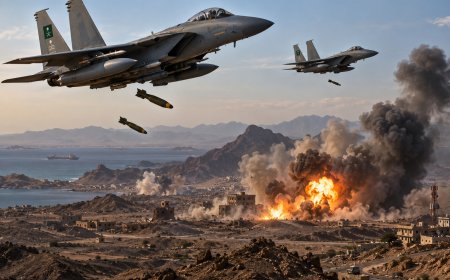
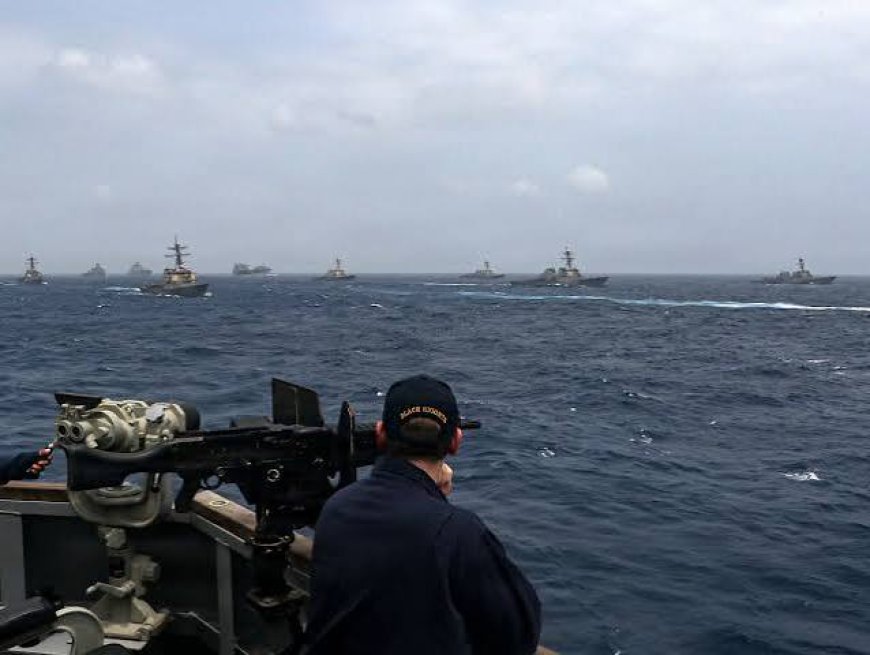
A tense, uneasy calm across the Gulf was shattered this week after the United States and Iran exchanged direct military strikes for the first time in roughly a month, reviving fears that the region's long-running conflict could spiral back into open warfare. The renewed hostilities began when American forces targeted Iranian military assets on Larak Island, a small but strategically sensitive outpost near the port of Bandar Abbas, after intelligence indicated that units linked to Iran's Revolutionary Guard were preparing to deploy naval mines into the Strait of Hormuz.
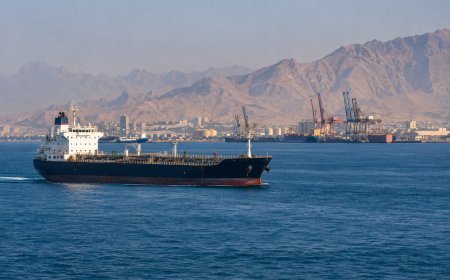
US Central Command described the operation as a limited and precise action aimed at neutralizing an imminent threat to shipping through one of the world's most critical energy corridors. Iranian state media reported that the strike killed three people, including members of the Revolutionary Guard's naval branch. Tehran claims a supertanker was also struck by naval mines and briefly disabled during the exchange, though American officials have disputed that account.
Iran Responds With Missiles on US Bases in Jordan
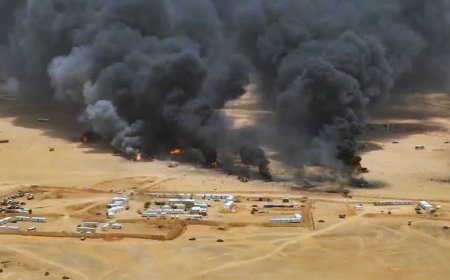
Within hours, Iran launched a retaliatory missile barrage targeting two US military installations in Jordan, marking the most direct confrontation between the two nations since a similar exchange in late July. A senior Iranian official, speaking on condition of anonymity, characterized the overnight exchange as a contained and limited confrontation rather than the opening salvo of a new offensive, though the same source warned that any further American strikes would be met with a far harsher Iranian response.
The clash underscores how easily a conflict that has, in recent weeks, shifted toward economic pressure and naval blockades can suddenly snap back into direct military confrontation. Since a ceasefire brought an end to the initial bombing campaign earlier this year, the standoff between Washington and Tehran has evolved into a grinding war of attrition fought largely through sanctions, shipping restrictions, and a US-led blockade of Iranian ports.
Trump Pledges a Forceful Response
Speaking to reporters, President Donald Trump made clear that Washington was prepared to escalate if provoked again, telling one broadcaster that the United States intended to respond forcefully. In separate remarks from the Oval Office, he described Iran as an economically and militarily depleted state, arguing that its capacity to sustain a prolonged fight had been severely diminished. He added that further military action remained firmly on the table, while dismissing questions about the use of nuclear weapons as unnecessary given what he characterized as Iran's total military defeat.
In an unusual twist, Trump also shared AI-generated video content on social media purporting to show explosions striking Iran's Kharg Island oil terminal, a claim that Iranian officials swiftly dismissed as fabricated since no such attack had actually taken place. Washington's Vice President later suggested the post was intended as a signal rather than a factual account of events.
Economic Pressure Continues to Mount
Away from the battlefield, US officials say a parallel campaign of financial pressure is inflicting significant damage on Iran's economy. Treasury Secretary Scott Bessent, speaking at a gathering of G20 finance officials in North Carolina, suggested that Iran's willingness to strike back militarily reflects the toll being taken by an expanding set of secondary sanctions targeting foreign banks and companies that continue doing business with Tehran. He indicated that additional sanctions packages are likely to be rolled out on a near-weekly basis, with an initial emphasis on the banking sector.
The Strait of Hormuz, through which roughly a fifth of the world's seaborne oil and gas traditionally passes, has remained largely closed to commercial traffic since the conflict first erupted earlier this year. Iran maintains that the waterway will only reopen under conditions it controls, while Washington continues to enforce a naval blockade that officials say has already redirected dozens of commercial vessels and disabled several ships attempting to defy the restrictions.
A Fragile Path Back to Negotiations
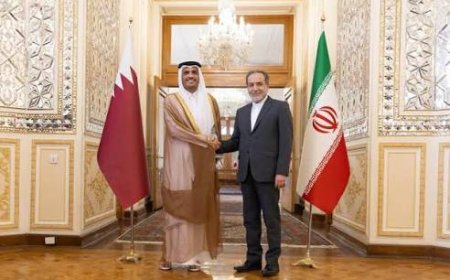
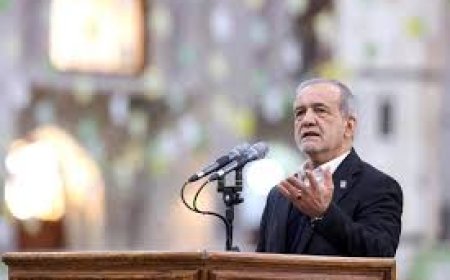
Despite the flare-up, both sides have signaled they are not seeking a full return to war. Iranian President Masoud Pezeshkian, speaking on the sidelines of a regional security summit in Central Asia, reiterated that Tehran still favors a negotiated resolution, arguing that prolonging the conflict serves no one's interests. Regional mediators, including Qatar, have urged both governments to return to the negotiating table before the situation deteriorates further.
For Gulf states, including Saudi Arabia, the stakes could hardly be higher. Continued instability around the Strait of Hormuz threatens to disrupt regional shipping lanes, drive volatility in energy markets, and complicate the wider effort to stabilize a region still recovering from months of conflict. Analysts note that even a contained exchange like this week's carries outsized risks, given how quickly localized incidents in the strait have escalated in the past. With sanctions tightening and patience wearing thin on both sides, the coming weeks are likely to prove decisive in determining whether this fragile standoff holds or gives way to a renewed and more dangerous confrontation.
This is a developing international security story. Readers seeking updates should follow official statements from the US State Department, Iranian government channels, and regional bodies such as the GCC for verified developments.