



















Oracle: Sovereign AI Key to Saudi Economic Growth
Oracle's Saudi chief says sovereign AI, cloud infrastructure and talent training are central to turning the Kingdom's AI investment into lasting economic growth.

Sovereign AI Emerges as Cornerstone of Saudi Arabia's Technology Ambitions
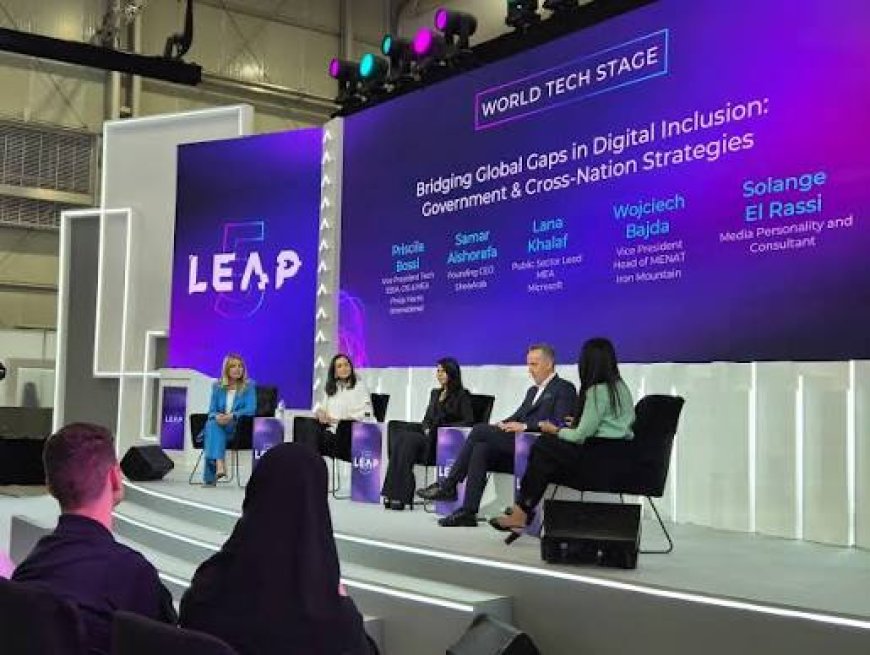
As Saudi Arabia pours billions into artificial intelligence infrastructure, technology executives gathered at LEAP 2026 in Riyadh this week say the harder task lies ahead: converting that investment into durable economic growth, skilled employment and industries genuinely rooted in the Kingdom.
Oracle, one of several global technology giants showcasing operations in the Saudi market at this year's conference, has placed sovereign AI at the center of its pitch to the Kingdom. Reham Almusa, general manager of Oracle Saudi Arabia and vice president of applications, told local media that sovereign AI would determine whether Saudi Arabia can build a genuine AI economy rather than simply importing one.
What Sovereign AI Actually Means
According to Almusa, sovereign AI refers to the degree of control a government or organization holds over its artificial intelligence systems and the data that feeds them. In practical terms, that spans everything from where AI models are deployed and operated to the hardware, software, governance policies and personnel responsible for running them.
For Saudi Arabia, this framework carries weight well beyond the technology sector itself. Almusa explained that sovereign capability allows the Kingdom to develop, deploy and govern its own AI systems while retaining authority over sensitive data, critical national infrastructure and strategic decision-making, a combination that also reinforces national security, data privacy and regulatory compliance as AI becomes embedded across government and industry.
An Economic Engine, Not Just a Tech Sector
Perhaps the most striking claim from Oracle's Saudi leadership is that artificial intelligence is quickly becoming a productivity engine spanning the entire economy rather than a niche technology vertical. Almusa projected that over the coming five years, AI's biggest economic contribution will come from making priority industries more efficient, building higher-value local capabilities, and supporting the transition envisioned under Vision 2030 toward a knowledge-based economy.
Public sector services, financial institutions, healthcare providers, manufacturers, energy companies and retailers were all named as sectors likely to see the most significant gains from wider AI adoption in the years ahead.
Building the Infrastructure Backbone
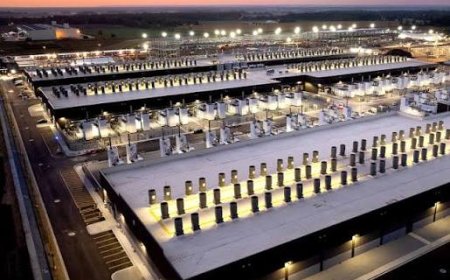
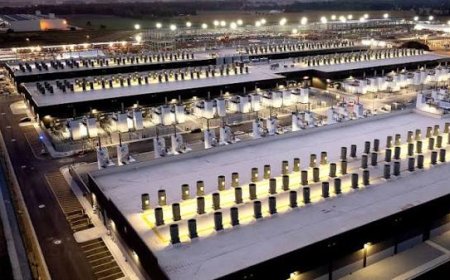
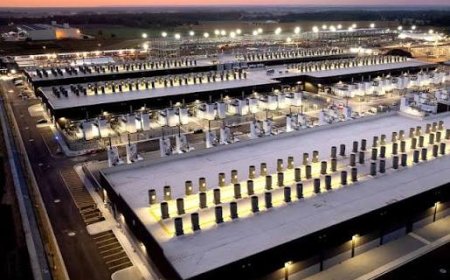
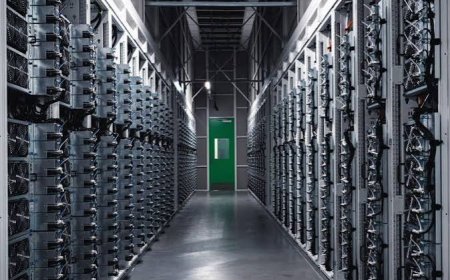
Oracle has already established cloud regions in both Jeddah and Riyadh, giving local organizations access to computing capacity without relying entirely on infrastructure based abroad. Almusa described data as sitting at the very heart of AI success, pointing to the Kingdom's efforts to attract global cloud providers to expand their local computing footprint.
That infrastructure expansion forms one of three pillars Almusa identified as essential if Saudi Arabia is to shift from being a consumer of AI technology developed elsewhere to becoming a genuine producer of its own AI capabilities.
Training Tens of Thousands of Saudi Nationals
The second pillar, talent, is being addressed through Oracle's Mostaqbali initiative, which aims to train 50,000 Saudi nationals in artificial intelligence and related advanced technology skills. The program spans 23 distinct training tracks totaling 300 hours of instruction, covering areas such as artificial intelligence, cloud computing, database management and Oracle's own application suite.
Participants who complete the program's requirements are eligible for professional certificates intended to help them enter technology-driven careers, part of a broader push across the Kingdom to build a domestic AI workforce rather than relying indefinitely on imported expertise.
Startups as the Missing Piece
The third pillar Almusa highlighted concerns Saudi Arabia's startup ecosystem. She suggested that government entities and established local companies could accelerate homegrown AI firms by acting as early customers, launching outcome-based innovation challenges, and giving startups real opportunities to scale their businesses within the Kingdom before expanding regionally or globally.
That approach, she argued, could ultimately determine whether Saudi Arabia's enormous AI infrastructure spending translates into long-term domestic economic returns or simply subsidizes the operations of international firms.
The Bigger Question Facing Riyadh
For companies like Oracle, LEAP 2026 offers a stage to demonstrate their role in the Kingdom's technological transformation. But for Saudi Arabia itself, the more consequential question is whether the billions flowing into AI infrastructure today can seed an ecosystem capable of generating lasting economic value tomorrow, one built on local talent, local companies and local decision-making rather than external dependency.
Almusa expressed confidence that the foundational pieces are already in place. With continued investment across talent development, cloud infrastructure and startup innovation, she said Saudi Arabia is positioning itself to become not merely a market for AI technologies built elsewhere, but a country capable of building, operating and commercializing its own artificial intelligence capabilities on the global stage.