

























Saudi Arabia Condemns Iran Tanker Attack in Hormuz
Saudi Arabia condemns an Iranian strike on tanker Sidra in the Strait of Hormuz that killed crew members, urging de-escalation and protection of global shipping.

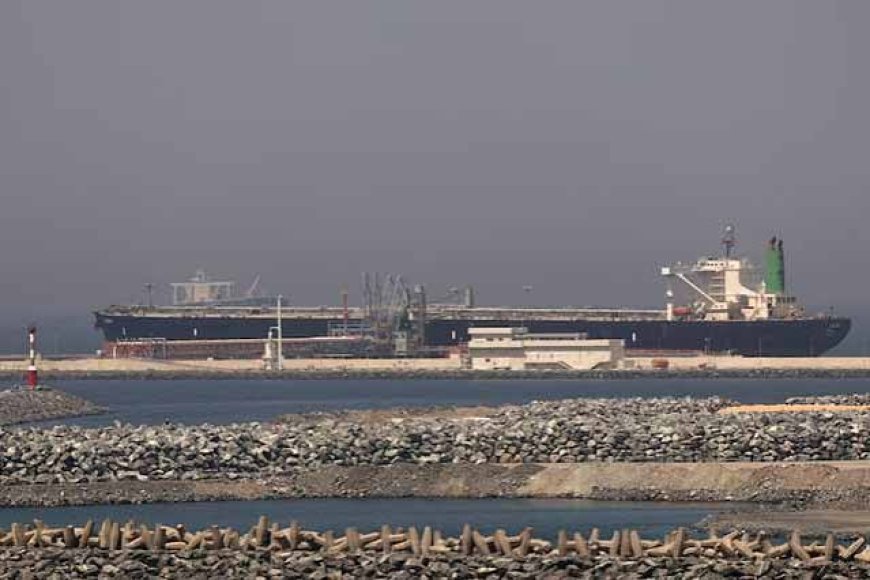
Saudi Arabia Denounces Deadly Strike on Tanker in Vital Gulf Waterway
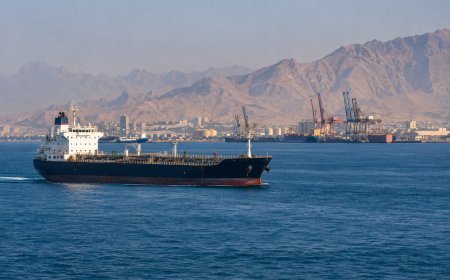
Saudi Arabia has issued a sharp condemnation after one of its oil tankers came under attack while transiting the Strait of Hormuz, a strike that left members of the vessel's crew dead and reignited fears over the safety of one of the world's most critical energy corridors.
The Kingdom's Foreign Ministry confirmed that the tanker, named Sidra, was targeted by Iranian forces as it made its way through the narrow waterway separating the Arabian Peninsula from Iran. The ministry did not provide a precise death toll for the crew but confirmed there were fatalities aboard the vessel, underscoring the human cost of a conflict that has increasingly spilled into commercial shipping lanes.
A Widening Pattern of Regional Strikes
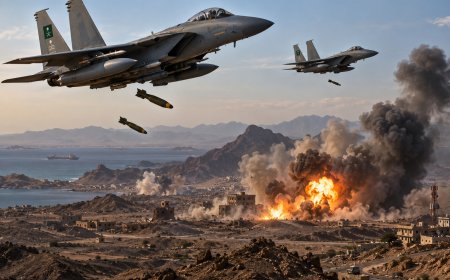
The attack on Sidra did not occur in isolation. In its statement, Riyadh also condemned parallel Iranian strikes on Jordan, Bahrain and Kuwait, expressing what it described as full solidarity with the three nations as they respond to threats against their sovereignty and security. The near-simultaneous nature of the attacks points to a broadening front in the wider confrontation gripping the Gulf, one that is no longer confined to direct exchanges between Iran, Israel and the United States but is now touching the commercial and civilian infrastructure of neighboring Arab states.
This is not the first Saudi-flagged vessel to be struck in the strait in recent days. Just a day earlier, the shipping firm Bahri had confirmed that two people died after a separate attack on a Saudi oil tanker moving through the same waters, a sign that the corridor has become an active flashpoint rather than a one-off incident.
Kingdom Calls for Calm and Respect for International Law
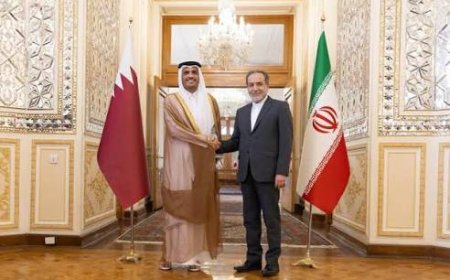
In its official response, the Saudi Foreign Ministry framed its condemnation around several core principles: the safety of international navigation, the uninterrupted flow of global energy supplies, respect for state sovereignty, adherence to the United Nations Charter, and the broader tenets of international law. The ministry urged all parties involved in the region's conflict to step back from further escalation and return to the negotiating table.
"The Kingdom calls on all parties to calm down, stop escalation, respect international law and return to negotiations and peaceful solutions," the ministry said, a message that reflects Riyadh's long-standing diplomatic posture of favoring dialogue over further military confrontation, even as attacks edge closer to its own territory and commercial interests.
Why the Strait of Hormuz Matters
The Strait of Hormuz is not simply a geographic chokepoint between Iran and the Arabian Peninsula; it is one of the most strategically significant waterways on the planet, serving as the passage for a substantial share of the world's seaborne oil and gas exports. Any disruption to traffic through the strait tends to ripple immediately through global energy markets, pushing up prices and unsettling shippers, insurers and importing nations far beyond the Gulf itself.
For Saudi Arabia, whose economy remains deeply tied to hydrocarbon exports even as it pursues economic diversification under Vision 2030, safe passage through Hormuz is not a peripheral concern but a matter of direct economic and national security interest. Repeated attacks on tankers, regardless of their flag, threaten to raise insurance costs for shipping companies, complicate logistics for exporters and importers alike, and add a further layer of uncertainty to an already volatile global energy market.
Part of a Broader Regional Conflict
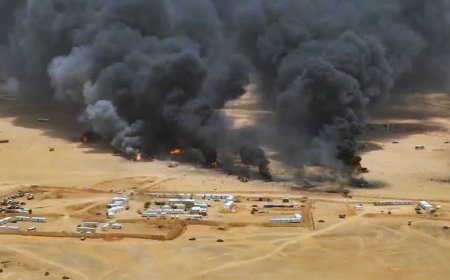
The strike on Sidra comes against the backdrop of a wider war that has drawn in Iran, Israel, the United States and, at various points, several of Iran's regional neighbors. Saudi Arabia and other Gulf states have found themselves increasingly exposed to spillover from the conflict, including missile and drone attacks on energy infrastructure, diplomatic missions and, now, commercial shipping.
Saudi officials have consistently sought to position the Kingdom as an advocate for de-escalation, even while condemning specific attacks on its interests. Analysts note that this balancing act, criticizing aggression firmly while avoiding direct entanglement in the broader war, has defined much of Riyadh's public messaging throughout the crisis.
What Comes Next
With crew members confirmed dead and a second Saudi tanker attack registered within days, pressure is likely to build on regional and international bodies to address the safety of shipping lanes more directly. Whether through expanded naval escort arrangements, diplomatic mediation, or renewed calls for a ceasefire, the coming days are expected to bring further statements from Gulf capitals as they weigh how to protect vital trade routes without becoming further drawn into the conflict.
For now, Saudi Arabia's message remains consistent: an end to escalation, protection for international shipping, and a return to the negotiating table before further lives are lost at sea.