


















Saudi Cabinet Backs Makkah Defense Pact Secretariat Plan
Saudi Arabia's cabinet has welcomed new steps toward forming a joint defense secretariat with Turkiye and Pakistan under the Makkah Joint Defense Agreement.

Cabinet Endorses Next Steps Toward a Joint Defense Body
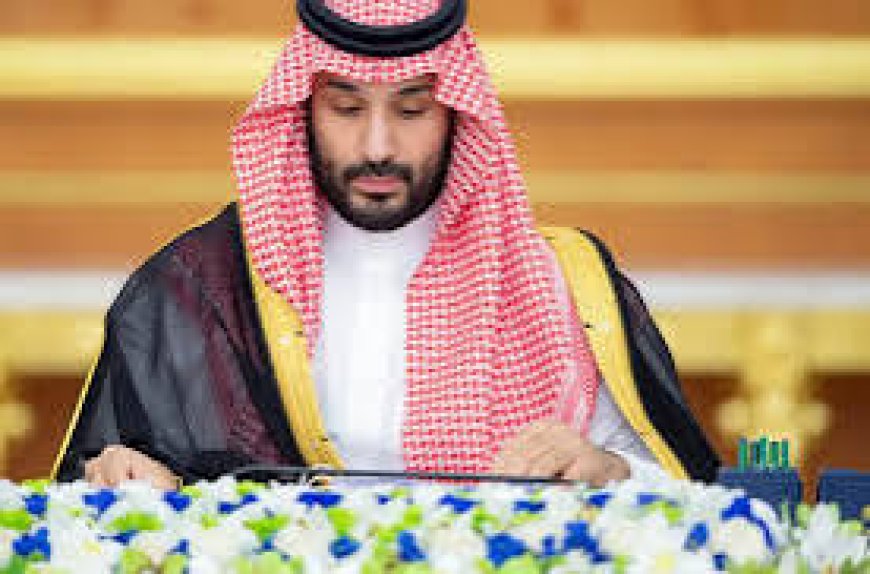
Saudi Arabia's cabinet on Tuesday welcomed a fresh round of institutional progress toward establishing a permanent general secretariat for the Makkah Joint Defense Agreement, a trilateral security arrangement between the Kingdom, Turkiye, and Pakistan. Meeting under the chairmanship of Crown Prince Mohammed bin Salman, ministers reviewed the outcomes of the agreement's first Political-Defense Strategy Committee meeting, held a day earlier in Istanbul, and confirmed that the new secretariat will be headquartered inside Saudi Arabia.
The development marks a significant step in operationalizing an agreement that has, until now, existed primarily as a framework of shared intent rather than a fully staffed and functioning institution. By establishing a dedicated secretariat, the three nations aim to move the partnership from broad political commitments toward concrete, coordinated defense planning and implementation.
What the Makkah Agreement Aims to Achieve
The Makkah Joint Defense Agreement was designed to strengthen coordination and integration between the three signatory countries, with a particular emphasis on enhancing collective deterrence and defense capabilities. According to Tuesday's cabinet statement, the three countries also agreed to activate specific areas of joint cooperation, a move officials framed as part of a broader effort to support regional and international initiatives aimed at achieving a just, comprehensive, and lasting peace.
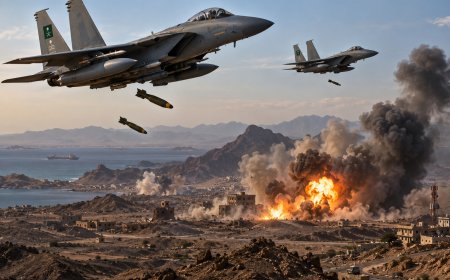
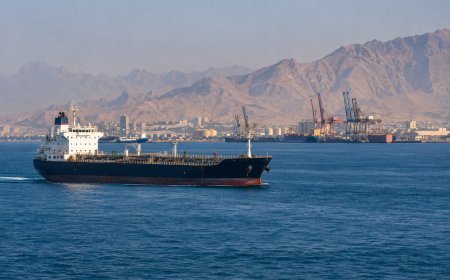
While the cabinet's language remained measured and diplomatic, the timing of the announcement is notable. It comes against the backdrop of sustained regional volatility, including the ongoing standoff between the United States and Iran and continued disruption to shipping through the Strait of Hormuz. Gulf states, including Saudi Arabia, have increasingly sought to deepen defense partnerships with regional and international allies as a hedge against this uncertainty, and the push to formalize the Makkah framework fits within that broader strategic pattern.
Origins Rooted in Regional Security Cooperation
The Makkah Joint Defense Agreement traces its origins to a strategic mutual defense pact signed between Saudi Arabia and Pakistan, later expanded to include Turkiye as tensions across the region intensified. Pakistan's military has previously signaled its commitment to supporting Gulf allies under the framework, and reports have indicated that thousands of Pakistani troops and associated military assets were deployed to Saudi Arabia following earlier episodes of regional escalation, illustrating the practical, on-the-ground dimension of the partnership beyond its diplomatic architecture.
By formally establishing a secretariat, the three governments appear intent on ensuring the agreement produces lasting institutional capacity, rather than remaining dependent on ad hoc coordination during moments of crisis. Analysts covering the region suggest this kind of institutionalization is a meaningful signal of long-term intent, distinguishing the Makkah framework from looser, more symbolic multilateral declarations that have sometimes characterized regional diplomacy in the past.
Broader Diplomatic Engagements Reviewed
Beyond the defense pact, Tuesday's cabinet session also touched on a range of other diplomatic matters. Ministers reviewed recent consultations between Saudi Arabia and allied nations, including correspondence received by Crown Prince Mohammed bin Salman from Bangladesh's prime minister, underscoring the Kingdom's continued efforts to maintain and expand its network of bilateral relationships across Asia and beyond.
The cabinet additionally reviewed outcomes from a recent extraordinary session of the Organization of Islamic Cooperation's Council of Foreign Ministers. Saudi Information Minister Salman Al-Dosary confirmed that the cabinet reaffirmed the Kingdom's support for strengthening the OIC's role in addressing challenges facing the broader Muslim world and advancing stability across its member states. Ministers also formally congratulated Ismail Ould Cheikh Ahmed on his election as the organization's new secretary-general, while acknowledging the contributions of his predecessor, Hissein Brahim Taha, during his tenure leading the body.
Why This Matters for Regional Stability
For Saudi Arabia, hosting the new secretariat carries both practical and symbolic significance. Practically, it positions the Kingdom as the operational center for a trilateral defense partnership spanning three of the region's most militarily significant nations. Symbolically, it reinforces Riyadh's ambition to serve as a central hub for regional diplomacy and security coordination at a moment when the broader Middle East remains under considerable strain from the ongoing Iran-related conflict and its spillover effects on shipping, energy markets, and regional alliances.
As institutional details around the secretariat's staffing, budget, and specific operational mandate continue to take shape in the coming months, observers will be watching closely to see how quickly the framework translates from diplomatic agreement into tangible defense coordination. With regional tensions showing few signs of easing in the near term, the pressure on Saudi Arabia, Turkiye, and Pakistan to demonstrate that the Makkah Joint Defense Agreement can deliver meaningful collective security outcomes is likely to intensify.