

















Lionel Messi Retires From International Football at 39
Argentina icon Lionel Messi has announced his retirement from international football, ending a storied 21-year career after leading Argentina to two World Cup finals.

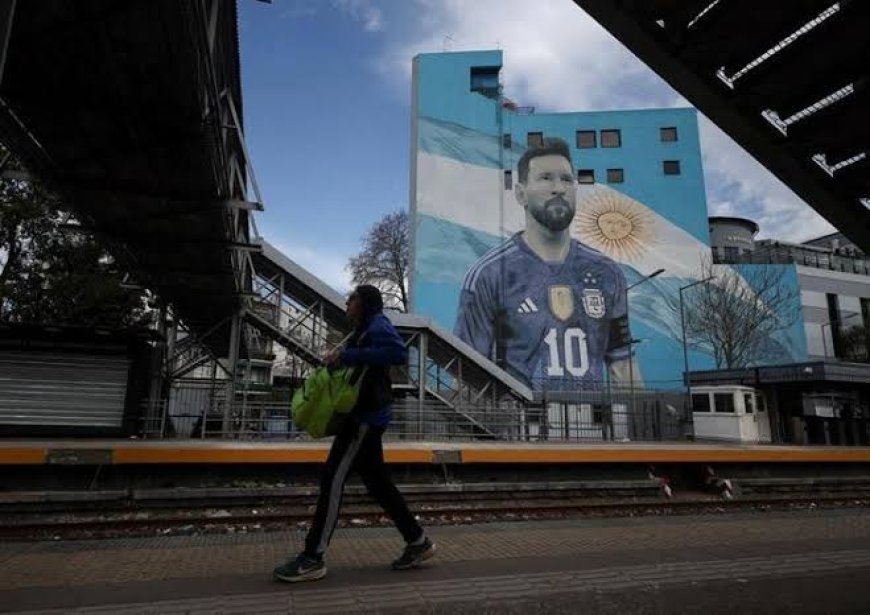
A Career-Defining Announcement
Lionel Messi has confirmed the end of an era, announcing his retirement from international football and bringing to a close one of the most celebrated careers in the history of the sport. The 39-year-old forward, widely regarded as among the greatest players to ever play the game, revealed the decision on Instagram, describing it as painful but necessary, a moment he said still weighed heavily on him even as he acknowledged the timing was right.
The announcement caps a 21-year international career that began when Messi was just 18 years old and grew to encompass 207 appearances for Argentina, during which he became the nation's all-time leading scorer with 125 goals. Over two decades, Messi transformed from a promising young talent into the central figure of Argentine football, culminating in a period of sustained success that few could have predicted during the earlier, trophy-less stretches of his international career.
From World Cup Glory to Heartbreaking Defeat
Messi's international legacy will forever be anchored by two extraordinary and contrasting World Cup finals. In 2022, he led Argentina to the title in Qatar, defeating France in a dramatic penalty shootout that many consider one of the greatest finals in tournament history. This year, he guided his country back to the final once again, this time on home soil in the United States, only to fall short against a formidable Spanish side in East Rutherford, New Jersey.
The road to that final was itself remarkable. Messi scored eight goals and provided two assists during this year's tournament, including a pivotal role in a dramatic late comeback against England in the semifinals that kept Argentina's title defense alive. Ultimately, though, the dream of a second consecutive championship proved just out of reach, with images of a visibly emotional Messi receiving his runner-up medal circulating widely in the tournament's aftermath. He later described the pain of that defeat as immense, acknowledging it would take considerable time to move past.
Personal Loss Shaped the Timing
The retirement announcement follows a deeply difficult personal period for Messi. In August, his father Jorge passed away, a loss that Messi said left him questioning whether he had the desire to continue playing football at any level for much longer. In the aftermath of his father's death, Messi spoke publicly about his uncertainty over his footballing future, a rare moment of vulnerability from a player typically known for his reserved public persona.
In his retirement statement, Messi emphasized that his commitment to the Argentina shirt had never wavered, insisting he gave everything throughout his career, not only during the trophy-laden final stretch but throughout the years when the national team fell short of major honors. He framed the decision as an opportunity for a new generation of Argentine talent to step into the spotlight, noting that several promising young players are now ready to carry the torch forward.
Tributes Pour In From Teammates and Officials
Reaction to the announcement was swift and emotional across the football world. FIFA President Gianni Infantino praised Messi as one of the greatest players the sport has ever produced, crediting him with bringing joy to millions of fans across the globe throughout his career. Longtime teammate Angel Di Maria, who won the World Cup alongside Messi in 2022, offered a heartfelt tribute honoring Messi's decision to represent Argentina despite having the option, as a young player developing in Spain, to represent that country instead.
For many Argentine fans, Messi's international retirement marks the symbolic closing of a chapter that began in the shadow of Diego Maradona's legacy. Ernesto Godoy, a Buenos Aires teacher reflecting on the announcement, described Messi's career as extraordinary and rarely matched, framing the years since Maradona's playing days as a journey from an era-defining void to Messi's own remarkable ascent, and now, once again, toward the uncertainty of life without him on the international stage.
What Comes Next
While Messi's international career has now concluded, his club career remains active. He continues to play for Major League Soccer's Inter Miami under a contract that runs through the end of the 2028 season, meaning fans will still have opportunities to watch him compete at the club level for several more years. Messi also won two Copa America titles during his international career, in 2021 and 2024, further cementing an already historic trophy collection that includes eight Ballon d'Or awards, the most of any player in football history.
As tributes continue to pour in from across the football world, attention now turns to how Argentina will navigate the post-Messi era, and whether the next generation of talent he referenced can begin to fill the considerable void left by his departure from the national team.