



























Two-Thirds of Southern Yemen Children Are Out of School
A new Save the Children survey finds nearly two-thirds of children in southern Yemen are out of school this year, driven by conflict, displacement and extreme poverty.

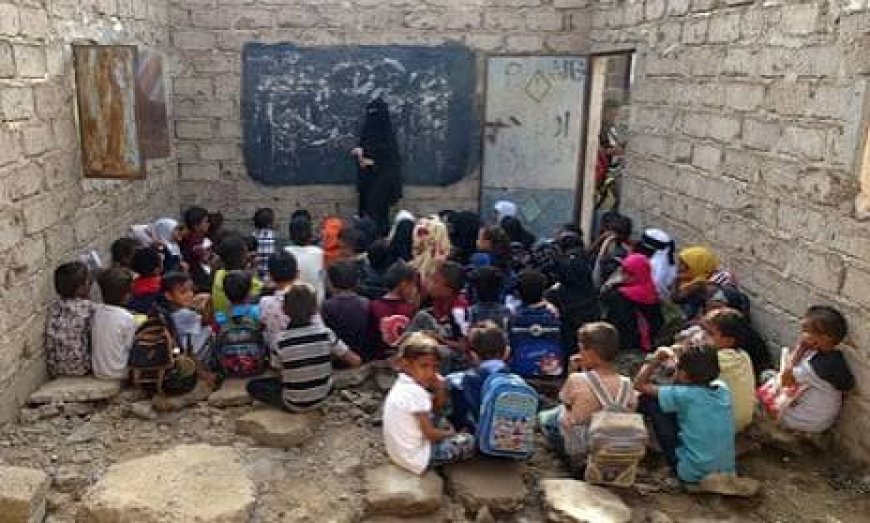
Nearly two-thirds of children surveyed across four districts in southern Yemen are out of school as the new academic year gets underway, according to a fresh assessment from Save the Children that lays bare the compounding toll of conflict, displacement and grinding poverty on the country's youngest generation.
The aid organization's survey covered 2,214 households across districts in Aden, Lahj and Taiz governorates. It found that nearly a third of children had never been enrolled in school at all, while another quarter had dropped out and now need urgent support to return to the classroom. For families that have been displaced from their homes — roughly a quarter of those surveyed — the barriers to keeping children in education were described as especially severe.
The figures add a granular, localized picture to a national crisis that aid agencies have been warning about for years. The United Nations' Humanitarian Response Plan for Yemen estimates that 6.6 million children, or about a third of the country's entire child population, are currently out of school nationwide.
Poverty forcing impossible choices
What emerges most starkly from the new survey is the extent to which economic desperation, rather than security concerns alone, is now driving children out of classrooms. Almost one in five documented dropout cases in the survey was directly linked to child labor, with families sending children to work simply to help the household survive. The broader numbers underline just how precarious daily life has become for many Yemeni families: the vast majority of households surveyed said they did not know where their next meal would come from, and nearly all reported depending on unpredictable daily labor for income. A large majority also said they simply could not afford basic schooling costs such as uniforms, books and supplies.
Those findings align with wider data from UNICEF, which estimates that more than one in ten Yemeni children between the ages of five and fourteen are engaged in child labor nationally, a figure that climbs even higher in rural areas.
A decade of disrupted education
Yemen's education system has been under sustained strain since civil war broke out in 2015, triggering what the United Nations has repeatedly described as one of the world's worst humanitarian crises. More than two thousand schools across the country have been damaged, destroyed, or repurposed for non-educational uses tied to the conflict, according to figures cited by aid groups working in the country. Combined with the collapse of large parts of Yemen's economy and repeated disruptions to teacher salaries, the physical and financial infrastructure needed to keep children learning has eroded steadily even during periods of relative calm on the battlefield.
Displacement compounds the problem further. Yemen remains one of the largest displacement crises in the world, with millions of people forced from their homes by fighting, and displaced children found to be significantly more likely to drop out of school than their peers who have not been uprooted.
Why the crisis matters beyond Yemen's borders
The findings carry particular weight for the wider Gulf region, where Yemen's stability has long been treated as a direct security and humanitarian concern. Saudi Arabia and its regional partners have been directly involved in Yemen's conflict and its aftermath for years, and the Kingdom has channeled substantial humanitarian assistance into the country through state and charitable institutions. A generation of Yemeni children growing up without consistent access to education represents not only an immediate humanitarian concern but a long-term risk to regional stability, as aid organizations have repeatedly warned that lost schooling fuels cycles of poverty, child labor and vulnerability to exploitation that can persist for decades.
Save the Children is calling for expanded funding and support to help displaced and at-risk children return to classrooms, warning that without intervention, the current school year risks becoming another lost year for millions of young Yemenis. With global humanitarian budgets under pressure and donor attention increasingly divided across multiple crises, aid officials say sustained international support — including from Gulf donors — will be critical to preventing the education gap from widening further in the months ahead.
This article discusses the humanitarian impact of conflict on children. If you or someone you know is affected by displacement or crisis-related distress, local and international aid organizations, including Save the Children and UNICEF, can provide information on available support.