




















Aramco's Big Oil Discount Signals OPEC+ Tension
Saudi Aramco has cut its Arab Light crude price to Asia by the widest margin since 2020, fueling speculation about a market-share battle within OPEC+.

A Discount That Raised Eyebrows
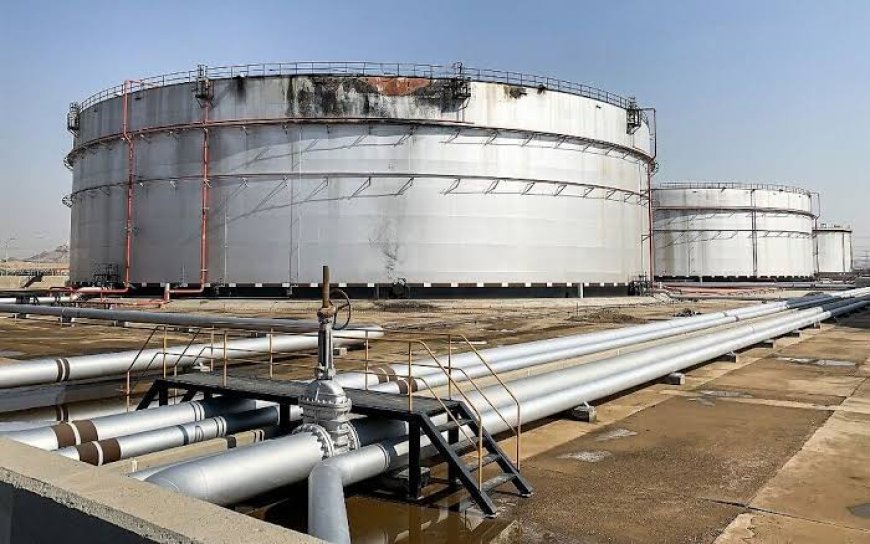
Saudi Aramco has set the price of its benchmark Arab Light crude for Asian customers at two dollars below the Oman/Dubai benchmark for September, marking the state oil giant's widest discount since June 2020. The move has caught the attention of energy analysts, who see it as more than a routine pricing adjustment, but as a signal of mounting strain within OPEC+ at a time when the oil-producing alliance is already grappling with internal division.
Normally, a discount of this scale would suggest a straightforward case of oversupply meeting weak demand. But the timing is unusual: the cut comes six months into a conflict that has periodically disrupted shipping through the Strait of Hormuz, a corridor critical to global energy flows. Rather than tight supply pushing prices up, as might be expected under such conditions, Aramco's pricing suggests the Kingdom is prioritizing something else entirely, its share of the lucrative Asian market.
OPEC+ Under Growing Strain
The pricing move lands against a backdrop of significant upheaval within OPEC+. The United Arab Emirates announced its departure from both OPEC and the broader OPEC+ coalition earlier this year, ending a membership that had lasted since 1967. That exit, combined with Iraq's push for greater production capacity and Venezuela's shifting alignment toward Washington, has weakened the group's ability to present a unified front on output and pricing policy.
OPEC once accounted for a substantial share of global oil supply and used that weight to help stabilize prices through coordinated production decisions. With key members now pulling in different directions, some analysts argue the organization's capacity to manage the market collectively is being tested as never before. Aramco's aggressive discounting could be read as the Kingdom hedging against this fragmentation by securing its own position in Asia, its largest and most strategically important market, regardless of what other members decide.
The Hormuz Factor
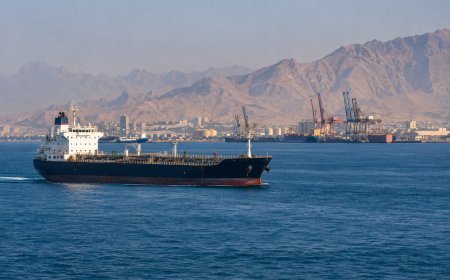
The discount is especially notable given ongoing disruptions tied to the Strait of Hormuz. Since the conflict between the United States, Israel, and Iran intensified earlier this year, shipping through the strait has faced periodic interruptions, contributing to volatility in global energy markets. In this context, a steep discount from Saudi Arabia, rather than a premium reflecting supply tightness, suggests the Kingdom sees more strategic value in defending its customer base than in extracting maximum short-term price gains.
Energy analysts note that Saudi Arabia has, at times, more than doubled its shipping volumes compared to earlier months of the conflict, taking advantage of shifting trade patterns as the naval blockade affecting Iranian exports has eased. This suggests Riyadh may be positioning itself for a longer-term contest over market share rather than treating current disruptions as a temporary anomaly to be waited out.
A Test Looming at the Next OPEC+ Meeting
All eyes are now on the alliance's upcoming meeting on output policy for the following month. Analysts say the next price list Aramco issues will offer a clearer read on the Kingdom's intentions. Should the discount narrow, it would suggest September's pricing was a temporary accommodation for disrupted shipping and softer demand. If Aramco holds or deepens the discount instead, it would send a stronger signal that Saudi Arabia is prepared to compete aggressively for Asian buyers even as it works within the broader OPEC+ framework.
This is not the first time Saudi Arabia has used pricing as a strategic lever. The Kingdom triggered a price war in 2020 by slashing prices sharply amid a dispute over production cuts, a move that reshaped global oil markets for months. While the current situation differs in scale and context, the underlying question, whether Riyadh will prioritize price stability or market share, echoes that earlier episode.
What It Means for the Kingdom's Economy
For Saudi Arabia, the stakes extend beyond the oil market itself. Crude exports remain central to government revenue and to financing the Kingdom's broader economic diversification agenda under Vision 2030. A prolonged discounting strategy could pressure near-term fiscal revenues even as it strengthens Aramco's long-term position with Asian refiners, a trade-off that will require careful management as Saudi Arabia continues to invest heavily in non-oil sectors.
As global oil demand patterns shift and OPEC+ cohesion faces new tests, Saudi Arabia's pricing decisions in the months ahead are likely to serve as one of the clearest indicators of how the Kingdom intends to navigate an increasingly fragmented and unpredictable energy landscape.