






















Houthi Attacks Wound 73, Hit Saudi Oil Sites
Houthi missiles and drones struck southern Saudi Arabia on Tuesday, wounding 73 and setting oil facilities ablaze. Riyadh has vowed a firm military response.


Saudi Arabia Confronts Its Heaviest Houthi Assault in Years
Saudi Arabia's southern border region absorbed its most intense wave of Houthi attacks in years on Tuesday morning, as ballistic missiles and drones slammed into cities and energy installations across the Kingdom's Asir and Jazan provinces, wounding dozens of civilians and setting oil facilities ablaze.
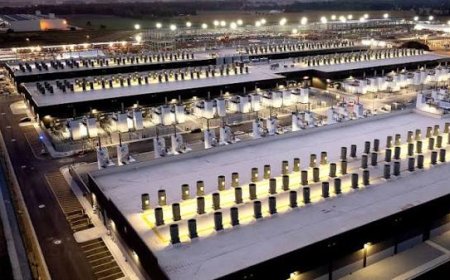
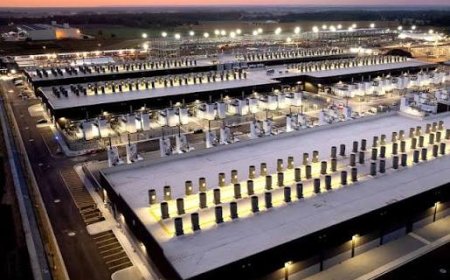
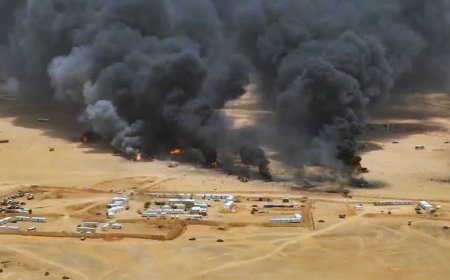
The Saudi Ministry of Energy confirmed that a number of energy sector facilities and installations in the southern region were targeted, triggering fires at several sites and forcing a temporary halt to some operations. Specialized field teams moved quickly to contain the blazes, secure the affected locations and assess the extent of the structural damage, the ministry said in a statement.
Dozens Wounded Across Four Cities
Major General Turki al-Malki, spokesman for the Saudi-led coalition operating in Yemen, said the strikes hit civilian and economic sites in Abha, Khamis Mushait, Jazan and Najran, leaving at least 73 people wounded, among them women and children. He described the attack as a serious escalation and a flagrant violation of the Kingdom's sovereignty, calling it a direct threat to the safety of citizens and residents.
Among the sites hit were Abha International Airport, King Khalid Air Base, and Aramco infrastructure in the Jazan Economic City. The Jazan refinery, with a processing capacity of roughly 400,000 barrels per day and ranked among the Kingdom's largest, had only recently resumed full operations after being knocked offline for several weeks by an earlier round of Houthi strikes. Reports on Tuesday indicated the refinery was affected once again, with damage assessments still underway.
Houthis Claim Retaliation, Coalition Vows Response
Yahya Saree, military spokesman for the Iran-aligned Houthi movement, said the group had fired dozens of ballistic missiles and drones in what he called a large-scale, precise military operation. He framed the strikes as retaliation for what the Houthis say were more than 100 Saudi airstrikes on Yemeni territory over the preceding three days.
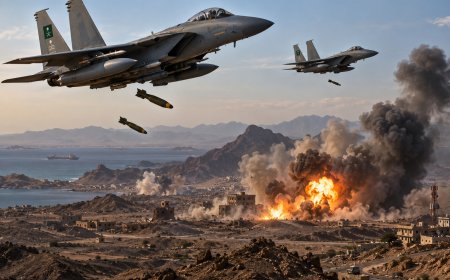
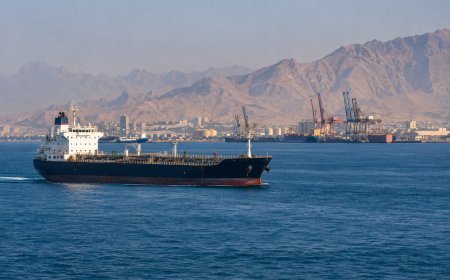
Al-Malki pushed back firmly, saying the coalition would take all necessary operational measures to deter what he termed a terrorist militia and to confront its hostile posture with utmost resolve. Hours later, Saudi-backed Yemeni government forces reported carrying out strikes on Houthi positions in Marib and Taiz provinces, part of a broader offensive that has intensified since the Houthis declared a naval blockade against Saudi shipping in the Red Sea earlier this year.
A Fragile Truce Unravels
Tuesday's exchange marks a dramatic reversal for a region that had enjoyed relative calm since a United Nations-brokered truce quieted the Saudi-Houthi front in 2022. That calm began fraying months ago, and hostilities have since spread from the west coast near Hodeidah into the provinces of al-Dhalea, Marib, al-Jawf and al-Bayda, as Saudi-backed forces attempt to stretch Houthi defenses on multiple fronts.
Despite the show of force, Saudi Arabia's Foreign Minister, Prince Faisal bin Farhan, struck a more measured tone while speaking alongside his Russian counterpart in Moscow. He said the Kingdom strongly condemns the Houthi attacks and accused the group of prioritizing narrow interests over the welfare of the Yemeni people. Even so, he insisted that the door to diplomacy remained open, stressing that Saudi Arabia continues to favor a negotiated resolution while reserving the right to defend itself.
Humanitarian Toll Mounts in Yemen
The renewed fighting is also exacting a steep humanitarian price inside Yemen itself. Aid officials say roughly 18,500 people have been displaced from Taiz and Hodeidah since hostilities intensified, with families arriving at makeshift shelters with little more than what they could carry. Humanitarian stocks in the affected areas have been severely depleted, aid workers say, and communication disruptions are complicating efforts to register and assist the newly displaced.
Why It Matters for the Kingdom's Energy Backbone
The southern region struck on Tuesday houses critical infrastructure supporting Saudi Arabia's energy exports and its broader Vision 2030 economic diversification push. Repeated disruption to refining capacity in Jazan carries implications not just for domestic operations but for a global market already sensitive to instability along Red Sea shipping lanes. Authorities say they are working to ensure the continuity of operations in line with established contingency plans, even as the security picture along the Yemen border remains fluid.
For now, the Kingdom finds itself balancing a firm military posture with an openly stated preference for diplomacy, a tension that is likely to define the coming weeks as both sides calculate their next moves.