







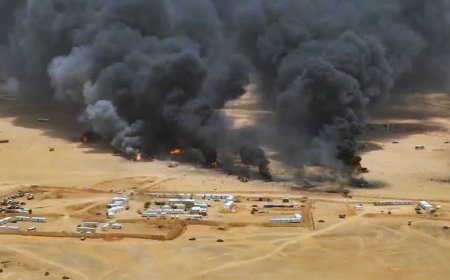














Iran Targets Israeli Embassy Area in Bahrain as Saudi Arabia Intercepts Missile in Gulf Conflict
Iran reportedly targets Israeli embassy in Bahrain as Saudi forces intercept missile over Riyadh region. Gulf states face escalating drone and missile attacks amid widening Iran-Israel-US conflict.

Iran Targets Israeli Embassy in Bahrain, Saudi Arabia Intercepts Missile as Gulf Conflict Escalates
Manama/Riyadh — Tensions in the Middle East escalated further after Iran reportedly targeted the Israeli embassy in Bahrain while Saudi Arabia said it intercepted a missile aimed at its territory, marking a dangerous expansion of the conflict. The incidents are the latest signs that the conflict linked to the ongoing war between Iran, Israel, and their allies is expanding across the Gulf region, threatening to draw in more nations.
Attack on Israeli Embassy in Bahrain
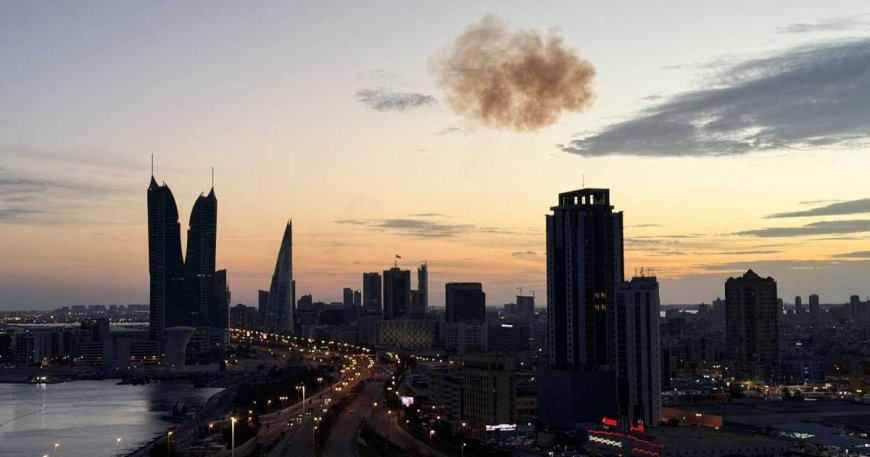
According to regional reports, Bahraini air defence systems intercepted an Iranian drone near the area of the Israeli diplomatic compound in Manama, in what appears to be a direct attack on a diplomatic mission. The interception triggered smoke and debris in the sky near Bahrain's financial district, though there were no immediate reports of casualties or major damage.
The attempted strike raised fresh concerns about the safety of diplomatic facilities and civilians in Gulf countries as the conflict spreads beyond the main battle zones, potentially violating international norms protecting embassies.
Saudi Arabia Intercepts Missile
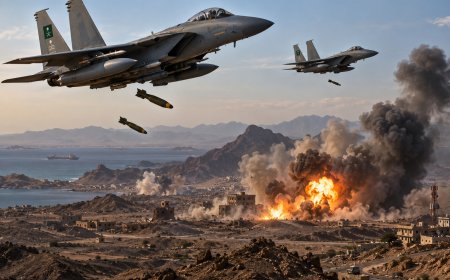
At nearly the same time, Saudi Arabia's Ministry of Defence confirmed that its air defence forces had intercepted a cruise missile over the eastern part of the country, demonstrating the breadth of the threat. The missile was destroyed before it could reach its intended target near the central Al-Kharj region, southeast of the capital Riyadh.
Officials did not specify the exact target but said defensive systems successfully neutralised the threat. Saudi authorities later reported intercepting several additional drones approaching the Riyadh region, indicating a coordinated attack. These aerial threats were destroyed before entering sensitive airspace, demonstrating the heightened level of military alert across the kingdom.
Defence officials said security forces remain on high readiness as the possibility of further attacks cannot be ruled out.
Wave of Attacks Across the Gulf
The attempted strike on the Israeli embassy in Bahrain and the missile interception in Saudi Arabia come amid a broader wave of Iranian retaliatory attacks targeting locations across the Middle East. Since the start of the conflict, Tehran and its allied groups have launched missiles and drones at multiple countries hosting US military assets or maintaining close ties with Israel.
Several Gulf states — including Bahrain, Saudi Arabia, Qatar, Kuwait, and the United Arab Emirates — have reported incoming missiles or drones in recent days. Air defence systems across the region have been working to intercept the threats, but the attacks have heightened fears of a wider regional war.
Qatar Also Targeted
Authorities in Qatar also reported intercepting a drone targeting the Al Udeid Air Base in Doha, which hosts significant United States military operations. Explosions were heard in the area overnight as air defence systems engaged incoming projectiles.
Residents were advised to stay indoors and away from windows as precautionary measures were issued.
Context of the Conflict
The broader conflict began after large-scale strikes by the United States and Israel on Iranian targets earlier this year, prompting Tehran to launch retaliatory missile and drone attacks across the region. Since then, multiple countries have been caught in the crossfire as Iran attempts to pressure its adversaries and their regional partners.
Worrying Escalation
Military analysts say the targeting of diplomatic sites such as embassies marks a worrying escalation, as these locations are normally protected under international law. Attacks on embassies could further complicate diplomatic relations and increase the risk of international involvement in the conflict.
Regional Response
Meanwhile, governments across the Gulf have raised security alert levels and strengthened air defence measures. Civil aviation authorities have also imposed restrictions or adjustments to air routes in some areas due to the ongoing missile and drone threats.
International Concern
International leaders have expressed growing concern about the rapid expansion of hostilities across the Middle East. Diplomatic efforts to reduce tensions have so far produced little progress, and analysts warn that continued strikes and retaliatory actions could pull more countries into the conflict.
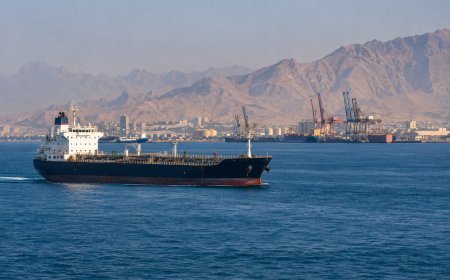
Also Read: Saudi Arabia Adjusts Oil Export Routes Toward Red Sea During Strait of Hormuz Disruptions
Conclusion
As the war enters another dangerous phase, Gulf states remain on high alert while monitoring the evolving security situation. The latest missile and drone incidents underline the fragile security environment in the region and the increasing risk that the conflict could spread even further beyond its original front lines.
Israeli embassy targeted in Bahrain. Missiles intercepted over Riyadh. The Gulf war expands with no end in sight.