


























Gaza Strikes Kill Five, Including Two Children
Palestinian rescue teams reported that at least five people, including two children, were killed in a new wave of Israeli strikes and tank fire across Gaza. The bloodshed came just a week after a U.S. delegation reportedly urged Israel to scale back its military operations in the enclave.

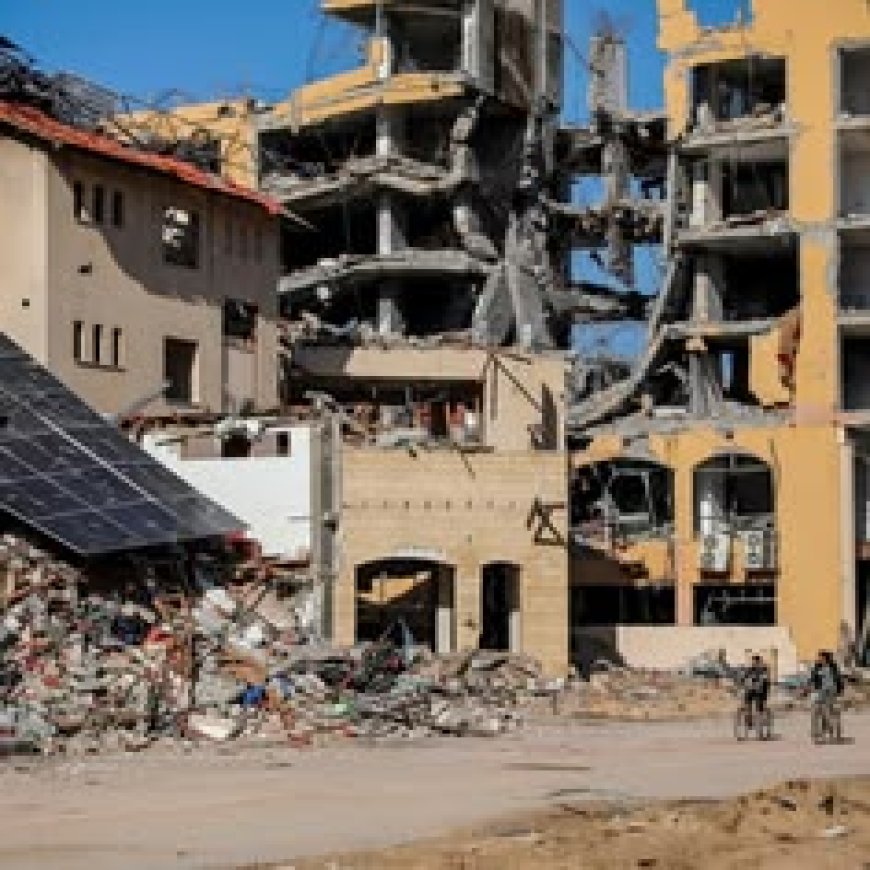
Gaza's already battered population endured another night of violence as Israeli strikes and tank fire swept across the coastal enclave, killing at least five Palestinians, including two children, according to local rescue services and hospital officials. The latest deaths add to a grim toll that continues to climb even as diplomatic efforts to secure a lasting ceasefire remain stalled.
According to Gaza's civil defense agency, which operates under the Hamas-run administration, two Palestinians died at dawn when a tent sheltering displaced families was struck in Deir Al-Balah, in the central part of the strip. Hours later, a 10-year-old girl was killed by Israeli artillery fire north of Khan Younis in the south, a death confirmed by both the civil defense service and Nasser Hospital, which received her body. The Israeli military told reporters it had no immediate knowledge of either incident.
Separately, a four-year-old child was killed in an airstrike that hit the Al-Bureij refugee camp in central Gaza. Rescue teams said an entire residential block was damaged in the bombing, and a mother and her child were later pulled alive from the rubble of a neighbouring house. Medical staff at local hospitals described chaotic scenes as ambulances raced to retrieve the wounded amid ongoing evacuation warnings issued by the Israeli military ahead of some of the strikes.
Pressure From Washington Yet to Yield Results
The renewed bloodshed comes roughly a week after a United States delegation reportedly met with Israeli Prime Minister Benjamin Netanyahu to push for a scaling back of military operations in Gaza, as part of a broader effort to advance last year's ceasefire framework. According to individuals familiar with the discussions, U.S. officials urged Israeli leadership to reduce the pace and scope of strikes in the territory.
Despite that outreach, Israeli forces have carried out strikes on the majority of days since the meeting took place, underscoring the gap between diplomatic messaging and events on the ground. Analysts following the talks say the disconnect reflects the complexity of enforcing informal understandings in an active conflict zone, where military operations continue even as negotiators work toward a more durable arrangement.
Residents in Deir Al-Balah and Khan Younis described fleeing homes and makeshift shelters overnight as artillery and airstrikes hit multiple locations in quick succession. Displacement camps, many housing families who have already been forced to relocate multiple times during the conflict, were again disrupted, with aid workers warning that repeated upheaval is deepening an already severe humanitarian crisis across the strip.
Humanitarian Toll Continues to Mount
Gaza's Health Ministry has reported that the overall death toll since the war began has climbed past 73,000, a figure that has drawn continued scrutiny and concern from international bodies and humanitarian organisations. Access to clean water, medical supplies, and shelter materials remains severely constrained in many parts of the strip, compounding the impact of ongoing military operations.
Hospitals in the south, including Nasser Hospital in Khan Younis and Al-Aqsa Martyrs Hospital further north, have repeatedly reported being overwhelmed by casualties arriving in short bursts following individual strikes. Medical staff say supply shortages, damaged infrastructure, and limited capacity continue to hamper their ability to treat the wounded effectively.
International mediators, including officials from Qatar, Egypt, and the United States, have continued shuttle diplomacy aimed at reviving a comprehensive ceasefire and hostage-related arrangement first negotiated last year. However, both Israeli and Palestinian officials have offered conflicting accounts of how close any new agreement might be, with each side accusing the other of undermining progress.
Regional and Diplomatic Reactions
The latest strikes have drawn renewed condemnation from several Arab and Gulf governments, which have consistently called for an immediate and comprehensive ceasefire alongside unhindered humanitarian access to Gaza. Saudi Arabia and other regional powers have repeatedly stressed that a durable resolution to the conflict must include a credible pathway toward Palestinian statehood, a position reiterated in recent statements from Gulf foreign ministries.
For now, families across Gaza remain caught between diplomatic promises of de-escalation and the daily reality of continued military activity. As mediators press for a breakthrough, the human cost of the ongoing conflict continues to accumulate, with each new strike adding to a humanitarian emergency that shows few signs of easing in the near term.
Next Article