
















Riyadh Launches Digital Innovation District 2026
Riyadh's new Digital Innovation District targets a spot among the world's top 10 tech hubs, drawing global talent in AI, cybersecurity and robotics.

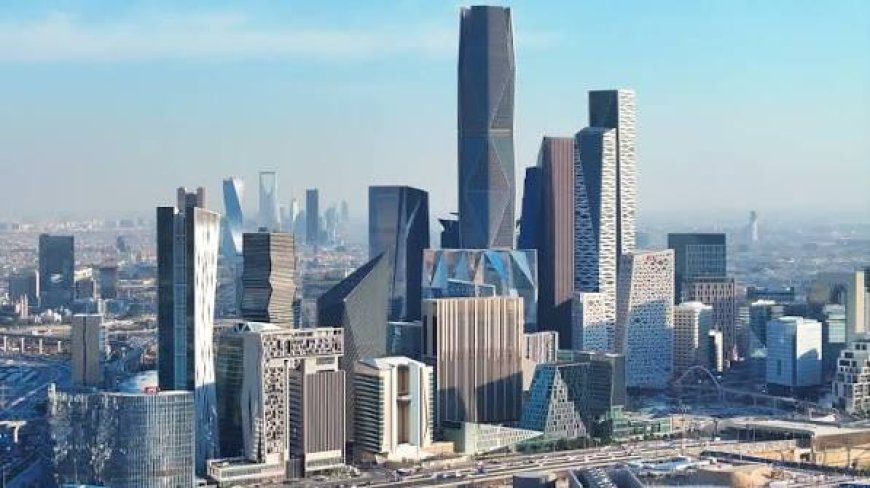
Riyadh took another decisive step toward becoming a global technology capital on Thursday, as the Royal Commission for Riyadh City (RCRC) formally launched a new Digital Innovation District designed to place the Saudi capital among the world's top 10 technology hubs.
The announcement, delivered through an official RCRC statement, frames the district as far more than a piece of urban real estate. It is being positioned as a magnet for international technology talent, a home for high-growth companies, and a launchpad for the kind of entrepreneurial ecosystem that has historically clustered around cities such as San Francisco, London and Singapore. According to the commission, the ambition is to knit together talent, capital and infrastructure in one physical location so that innovation can happen faster and more visibly.
Six Pillars of Growth
At the heart of the initiative are six technology domains that the RCRC has identified as strategic priorities: artificial intelligence and big data, cybersecurity, cloud computing, the Internet of Things, blockchain, and robotics together with unmanned aerial systems. These are not arbitrary choices. Collectively, these six fields attract the lion's share of global venture capital and corporate investment flowing into technology innovation today, and Riyadh's planners are betting that concentrating resources in these areas will yield outsized returns for the local economy.
By building specialized zones around each of these domains, the district aims to give both multinational technology firms and homegrown startups a reason to set up shop in the capital rather than in more established international hubs. The strategy mirrors approaches used in cities like Dubai and Abu Dhabi, but Riyadh's version is explicitly tied to a national mandate: Saudi Vision 2030, the sweeping reform agenda designed to reduce the Kingdom's dependence on oil revenue.
Official Backing at the Highest Level
Ibrahim bin Muhammad Al-Sultan, Minister of State and CEO of the RCRC, used the announcement to thank King Salman and Crown Prince Mohammed bin Salman for their continued backing of the commission's flagship projects. He described the new district as a move that would cement Riyadh's status as an international destination for technology companies, skilled professionals and digital entrepreneurs alike.
Al-Sultan tied the initiative directly to Vision 2030's broader goal of building a diversified and prosperous economy anchored in digital leadership. That framing matters: Saudi officials have increasingly used flagship urban projects, from NEOM to the Riyadh Metro, as tangible proof points for a reform program that outside observers sometimes view with skepticism. A concentrated, purpose-built technology district gives the Kingdom something concrete to showcase to investors and skilled migrants weighing where to build their next venture.
Academic and Industry Reaction
Reaction from the local academic community has been notably enthusiastic. Dr. Syed Ahad Murtaza Alvi, a faculty member at King Saud University's College of Applied Computer Sciences, called the project a powerful demonstration of the Kingdom's long-term vision. He argued that by building a world-class ecosystem across the six priority domains, Saudi Arabia is taking deliberate, structured steps to position Riyadh among the planet's foremost technology centers.
Alvi went further, suggesting the initiative reflects a broader national commitment to constructing a knowledge economy and achieving the country's ambition of becoming a global hub for artificial intelligence and digital innovation by the end of the decade. His comments echo a wider sentiment among regional academics and analysts who see the timing of the launch as significant.
Part of a Bigger Push
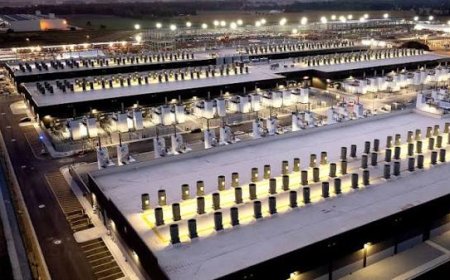
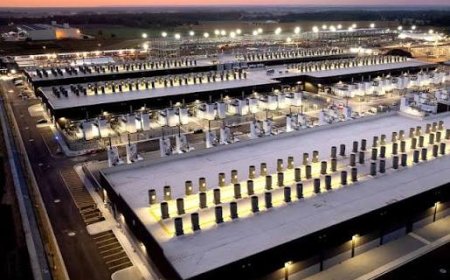
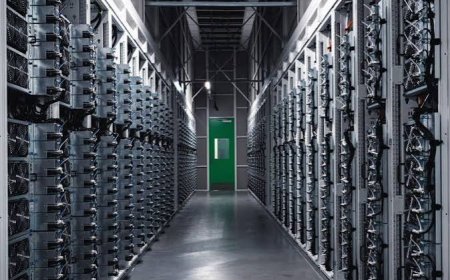
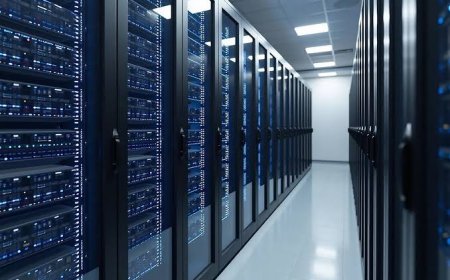
The district's unveiling is not an isolated event. Saudi Arabia has officially designated 2026 as its "Year of Artificial Intelligence," a branding exercise led by the Saudi Data and AI Authority that is meant to accelerate national innovation efforts across government, industry and academia. Over the past few years, the Kingdom's investment in digital infrastructure has scaled dramatically, with data center capacity climbing nearly sevenfold since 2021 and tens of billions of riyals funneled into cloud and AI infrastructure through partnerships with major global technology providers.
Against that backdrop, the Digital Innovation District can be read as the physical, talent-facing complement to the Kingdom's infrastructure spending. Server farms and sovereign AI models need people to build on top of them, and Riyadh's planners appear determined to ensure those people — engineers, founders, researchers — have a compelling reason to relocate.
What Comes Next
The RCRC has not yet released a detailed timeline for construction phases, tenant onboarding or the specific incentives that will be offered to companies and individuals relocating to the district. However, given the pace at which similar Saudi giga-projects have moved from announcement to groundbreaking in recent years, further details are expected in the coming months.
For a capital city that has spent the last decade transforming its skyline and its economic identity, the Digital Innovation District represents the latest — and perhaps most consequential — attempt to translate ambition into a lasting global technology address.