

















Saudi Arabia Records 904,000 Umrah Pilgrims in Single Day at Grand Mosque on Fourth Day of Ramadan
Saudi Arabia witnesses unprecedented Umrah turnout with nearly 904,000 pilgrims at Makkah's Grand Mosque on fourth day of Ramadan 2026. Historic single-day record surpasses previous figures.

Saudi Arabia Records Unprecedented Umrah Pilgrimage Numbers on Fourth Day of Ramadan
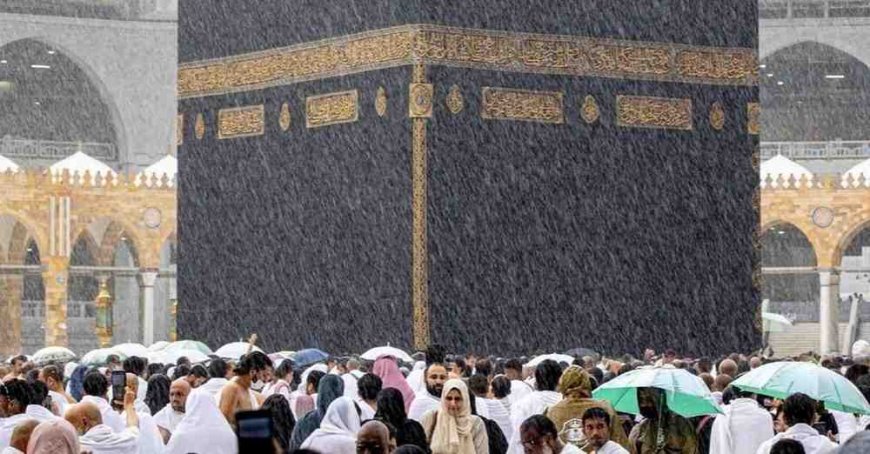
Makkah, Saudi Arabia — Saudi Arabia has witnessed an extraordinary upsurge in religious attendance this Ramadan season, with nearly 904,000 worshippers and Umrah pilgrims performing rites at the Grand Mosque in Makkah on the fourth day of the holy month — a figure that represents the highest single-day turnout in recent history, surpassing all previous records and demonstrating the growing global significance of the pilgrimage. This milestone was recorded on Saturday, 21 February 2026, corresponding to the 4th of Ramadan 1447 AH in the Islamic calendar, according to official figures released by the General Authority for the Care of the Two Holy Mosques.
Historic Turnout at Masjid al-Haram
The unprecedented figure of over 900,000 pilgrims performing Umrah in one day far exceeded previous records — significantly higher than the roughly 500,000 pilgrims documented on a single day during Ramadan in 2025, representing a dramatic increase that caught even officials by surprise. This surge highlights the growing global interest in performing Umrah, particularly during Ramadan, a period considered especially blessed and spiritually significant in Islam when rewards for worship are believed to be multiplied.
The massive turnout reflects not only steady increases in international pilgrim numbers from countries worldwide but also an upswing in participation from within Saudi Arabia and neighbouring regions, as domestic pilgrims take advantage of proximity. Worshippers from countries across the Middle East, South Asia, Africa and beyond have travelled to Makkah to perform Umrah, pray at the Grand Mosque and engage in various acts of worship during the sacred month, creating an atmosphere of profound spiritual devotion.
The scenes inside the Grand Mosque have been described as overwhelming yet organised, with worshippers filling every available space in the massive complex, their voices rising in prayer and supplication.
Enhanced Crowd Management and Infrastructure
Saudi authorities have taken extensive measures to ensure that the surge in pilgrim numbers does not compromise the safety, organisation and experience of visitors, learning from past experiences to improve continuously. The General Authority for the Care of the Grand Mosque and the Prophet's Mosque has deployed comprehensive operational systems designed to manage crowd flow efficiently across the sprawling complex.
These measures include designated routes for entry and exit, ensuring that the millions of movements each day occur smoothly; regulated pathways for Tawaf (circumambulation around the Kaaba) and Sa'i (walking between the hills of Safa and Marwah) to prevent bottlenecks; continuous cleaning and sanitisation efforts maintaining hygiene; multilingual guides to assist international visitors; and advanced monitoring systems placed throughout the mosque complex tracking crowd density in real-time.
Officials also introduced pedestrian-only zones in central areas around the sanctuary to enhance safety and reduce congestion from vehicles, creating a more peaceful environment for worship. Strategic signage, specially designated prayer spaces and real-time crowd monitoring tools aim to ensure that pilgrims can complete the Umrah rituals with dignity and ease, even as numbers swell beyond previous records.
Dedicated Services and Support for Pilgrims
Alongside crowd management, Saudi authorities continue to roll out enhanced services tailored to the needs of worshippers during peak pilgrimage periods, recognising that spiritual experience depends on practical support. One such initiative is the upgraded Tahallul service, which provides free hair-cutting stations for pilgrims exiting the state of Ihram — the sacred head-to-toe attire worn during Umrah and Hajj rituals that must be removed with ritual shaving or trimming.
Twelve mobile units have been deployed near major mosque gates, expected to serve around 360,000 pilgrims throughout the holy month, ensuring that this final ritual can be performed conveniently and hygienically without long waits.
In addition, efforts are underway to improve digital support and guidance for international arrivals, making information accessible to all. The Ministry of Hajj and Umrah has issued comprehensive visit guides in 16 different languages, allowing pilgrims from diverse linguistic backgrounds to easily access step-by-step information on rituals, visa procedures and crowd-management protocols.
To further enhance well-being, the Kingdom has implemented a 90-day health insurance policy for all overseas Hajj and Umrah pilgrims, ensuring access to emergency medical care throughout their stay and providing peace of mind to travellers. This initiative underscores Saudi Arabia's commitment to safety and health during large-scale religious gatherings.
Growing Popularity of Umrah and Broader Trends
The record attendance in early Ramadan 2026 comes amid a long-term trend of rising pilgrim numbers that shows no signs of abating. In 2025, Saudi officials reported that over 6.5 million pilgrims performed Umrah in the first quarter of the year alone, a number that marked an 11% increase compared to previous years, reflecting sustained growth. Similarly, comprehensive visitor tracking has shown that millions flock to the Two Holy Mosques each year, underscoring massive growth in religious tourism and worship pilgrimages as a key component of Saudi Vision 2030.
Ramadan remains a particularly attractive window for Umrah, combining the spiritual rewards of both the pilgrimage and the holy month when Muslims believe the rewards for good deeds are multiplied. Officials expect that numbers will likely climb even higher in the final ten days of Ramadan — especially during Laylat al-Qadr (the Night of Power), when Muslims believe that prayer and worship are especially meritorious and when the largest crowds traditionally gather.
Infrastructure Expansion and Future Plans
The record numbers also reflect the massive infrastructure investments Saudi Arabia has made in Makkah and Madinah as part of its Vision 2030 plan to accommodate growing pilgrim numbers. The expansion of the Grand Mosque, new transportation networks, and improved accommodation have all contributed to the ability to handle such crowds.
Future projects include further expansions and technological enhancements that will allow even larger numbers to worship comfortably and safely.
Conclusion
Saudi Arabia's record-breaking Umrah figures on the fourth day of Ramadan 2026 reflect not only robust spiritual enthusiasm among Muslims worldwide but also the result of meticulous planning, extensive infrastructure development and enhanced support services that have transformed the pilgrimage experience. As the Kingdom continues to invest in managing the ever-growing flow of pilgrims, worshippers can expect a safer, more organised and more accessible pilgrimage experience during Ramadan and beyond.
904,000 pilgrims in a single day. A new record for Umrah at the Grand Mosque. The spiritual journey continues.