



























Experts Identify Five Myths Driving Antimicrobial Resistance Crisis in India
Antibiotic misuse in India is creating deadly superbugs. Experts warn against 5 common myths: viral cure, self-medication, stopping early. Rising drug resistance threatens millions.

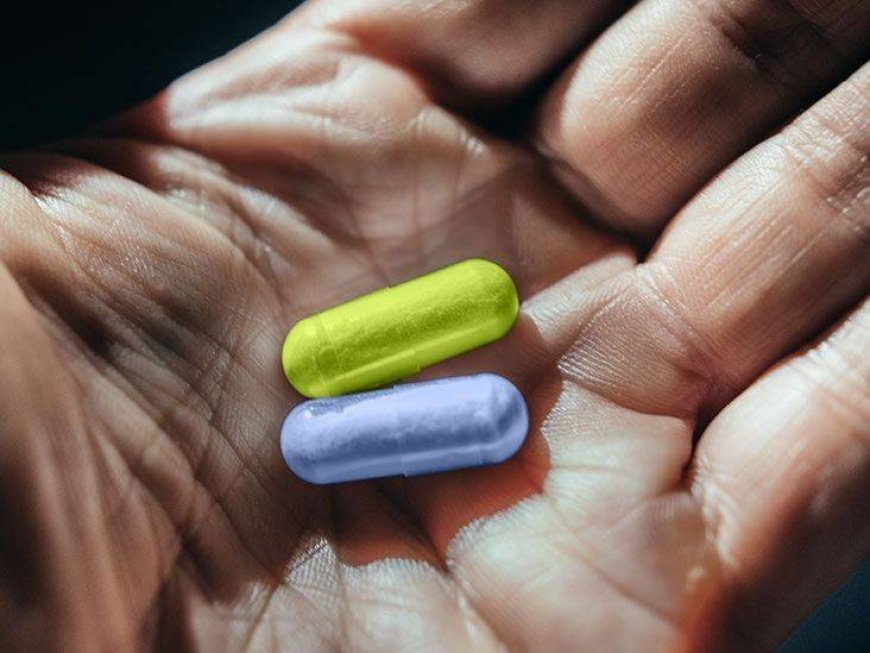
Antibiotic Misuse in India: 5 Myths Fueling Superbugs and Drug Resistance Crisis
New Delhi, India — The misuse of antibiotics in India is emerging as a major public-health concern, contributing to the rise of dangerous "superbugs" — bacteria that no longer respond to commonly used medicines. Health experts warn that several widespread misconceptions about antibiotics are driving this problem and putting millions of lives at risk, as once-treatable infections become potentially deadly.
Doctors say antibiotics are powerful medicines designed specifically to fight bacterial infections. However, when they are used incorrectly — such as taking them without proper medical advice or stopping treatment midway — bacteria can adapt and develop resistance. This leads to the emergence of superbugs, making infections harder to treat and increasing the risk of complications, hospitalisation and even death.
India already faces one of the world's largest antibiotic resistance burdens. Experts note that common infections such as urinary tract infections, pneumonia and bloodstream infections are becoming increasingly difficult to treat as bacteria grow resistant to widely used drugs. This growing crisis highlights the urgent need to correct public misunderstandings about antibiotics.
Myth 1: Antibiotics Cure Viral Infections
One of the most common misconceptions is that antibiotics can treat viral illnesses such as the common cold, flu or most coughs. Doctors emphasise that antibiotics only work against bacteria, not viruses. Taking antibiotics for viral infections provides no benefit and instead contributes to antibiotic resistance by exposing bacteria in the body to unnecessary drugs. Over time, these bacteria learn to survive the medicine, making future infections harder to treat.
Myth 2: You Can Stop Antibiotics Once You Feel Better
Another widespread myth is that antibiotic treatment can be stopped once symptoms improve. Medical professionals stress that patients must complete the entire course prescribed by a doctor. When antibiotics are stopped early, some bacteria may survive and become stronger. These surviving bacteria can multiply and develop resistance, eventually turning into drug-resistant infections.
Myth 3: Self-Medication With Antibiotics Is Safe
Many people in India buy antibiotics directly from pharmacies without a prescription. Experts warn that this practice is extremely dangerous. Without proper diagnosis, individuals may take the wrong medicine, incorrect dosage or unnecessary treatment. Studies have shown that antibiotics are often easily available over the counter, leading to widespread self-medication and misuse.
Myth 4: Stronger Antibiotics Work Better for All Infections
Some patients believe that using stronger or "higher-power" antibiotics will cure infections faster. However, doctors say this is not true. Strong antibiotics are usually reserved for severe infections or cases where other drugs fail. Using them unnecessarily can accelerate resistance, reducing their effectiveness when they are truly needed.
Myth 5: Antibiotics Are Harmless if Taken Occasionally
Another myth is that occasional antibiotic use carries little risk. Experts warn that even infrequent misuse can contribute to resistance. Antibiotics not only kill harmful bacteria but also affect beneficial microbes in the body. This imbalance can allow resistant bacteria to grow and spread more easily.
A Growing Public-Health Threat
The rise of antibiotic resistance is a global problem, but India is among the countries most affected. Large populations, easy access to antibiotics, and lack of awareness have accelerated the spread of resistant bacteria. Experts say that if misuse continues, routine medical procedures and common infections could become far more dangerous in the future.
Doctors emphasise that antibiotics should only be taken when prescribed by a qualified healthcare professional. Patients should follow the recommended dosage, complete the full course of treatment, and avoid sharing medicines with others.
The Way Forward
Public awareness, stricter regulation of antibiotic sales and responsible prescribing by healthcare providers are crucial steps in controlling the spread of superbugs. Without these measures, experts warn that the effectiveness of lifesaving antibiotics could continue to decline, making once-treatable infections increasingly deadly.
Conclusion
India's antibiotic misuse crisis is creating superbugs that defy treatment. Five myths are fueling the fire—and millions of lives hang in the balance.
Antibiotic myths killing India's power to heal: Why viral colds don't need medicine and stopping early makes superbugs stronger.