Pakistan Pledges Support to Saudi Arabia Amid Iran Attacks, Citing Mutual Defence Pact
Islamabad/Riyadh — Pakistan has expressed strong support for Saudi Arabia amid escalating tensions in the Middle East following missile and drone attacks linked to Iran. The development comes as the regional conflict widens and several countries prepare for possible security challenges across the Gulf.
According to officials and diplomatic sources, Pakistan has assured Saudi Arabia that it stands ready to assist the kingdom during the ongoing crisis. Islamabad's offer of support highlights the long-standing strategic relationship between the two countries, particularly in defense and security cooperation.
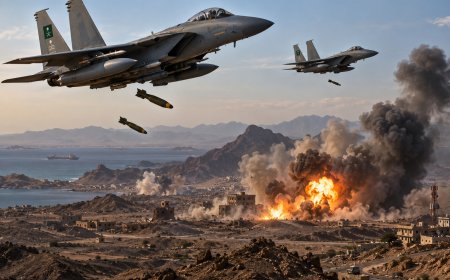
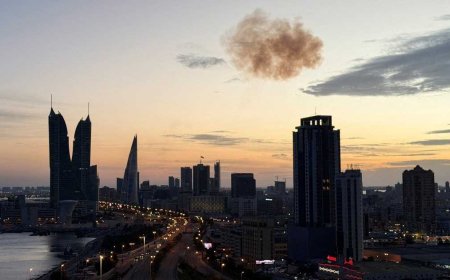
The latest tensions emerged after Iran launched a series of missile and drone attacks targeting locations in Saudi Arabia and other Gulf states. These strikes were part of broader retaliatory actions linked to the growing conflict involving Iran, Israel, and the United States. The attacks have raised concerns about the possibility of the war spreading across the wider Middle East.
In response to the escalating situation, Pakistan's military leadership has been in close contact with Saudi authorities. Pakistan's army chief, Field Marshal Asim Munir, held discussions with Saudi Defense Minister Prince Khalid bin Salman in Riyadh to review the security situation and explore ways to counter threats arising from the attacks. Both sides stressed the need for coordinated measures under their bilateral security framework.
The cooperation between the two countries is rooted in a Strategic Mutual Defence Agreement signed in September 2025. The pact commits both nations to treat aggression against one as aggression against the other, creating a framework for collective security cooperation in times of crisis.
Following the recent attacks, Pakistan reiterated that it would stand firmly with Saudi Arabia if the kingdom's security was threatened. Officials emphasized that Islamabad considers Riyadh a key strategic partner and values the stability of the Gulf region. At the same time, Pakistani leaders have also expressed hope that tensions in the region will not escalate further and have called for diplomatic solutions to the crisis.
Analysts note that Pakistan's position reflects a delicate balancing act. On one hand, Islamabad maintains close defense ties with Saudi Arabia and has historically provided military assistance to the kingdom. On the other hand, Pakistan shares a long border with Iran and has diplomatic and economic relations with Tehran as well. As a result, Pakistan must navigate carefully to avoid being drawn directly into the conflict.
The Pakistan-Saudi partnership has deep historical roots. Military cooperation between the two countries dates back decades, with Pakistan previously deploying thousands of troops to Saudi Arabia for security duties and training. Joint exercises and defense collaboration have remained a key pillar of their relationship.
Recent developments have also revived discussions about whether Pakistan might provide more direct military support if the situation worsens. Some security analysts suggest that Pakistan could offer intelligence cooperation, training, or logistical assistance to Saudi forces under the framework of their defense pact. However, officials have not announced any immediate deployment of troops.
The growing tensions in the Gulf have already had global repercussions. Rising instability has affected oil markets, disrupted air travel in parts of the region, and increased fears of a wider regional war involving multiple countries. Governments across the world are closely monitoring the situation and urging restraint from all sides.
For Pakistan, the crisis carries both strategic and economic implications. Saudi Arabia remains one of its most important allies and a major source of financial assistance, energy supplies, and employment opportunities for millions of Pakistani workers. Maintaining strong ties with the kingdom is therefore seen as vital for Islamabad's geopolitical and economic interests.
Also Read: Experts Identify Five Myths Driving Antimicrobial Resistance Crisis in India
As the conflict continues to unfold, Pakistan has reaffirmed that it will support Saudi Arabia while also advocating for diplomacy and regional stability. The coming weeks will determine whether the situation de-escalates or pulls more countries into an already volatile Middle Eastern conflict.
Pakistan draws a line with Iran: Support for Saudi Arabia is non-negotiable. A defence pact, a delicate balance, and a region on edge.