


























Saudi Arabia Offers Red Sea Oil Route via Yanbu as Strait of Hormuz Crisis Disrupts Supply
Saudi Arabia redirects oil shipments to Red Sea port Yanbu amid Strait of Hormuz disruptions. Buyers offered alternative route as regional conflict threatens global crude supplies.

Saudi Arabia Offers Red Sea Route to Oil Buyers as Strait of Hormuz Crisis Disrupts Supply
Riyadh, Saudi Arabia — Amid escalating tensions in the Middle East and disruptions to shipping through the Strait of Hormuz, Saudi Arabia has offered oil buyers an alternative route through the Red Sea in an effort to keep global crude supplies flowing.
According to reports, the kingdom has informed several long-term customers that they can receive part of their oil shipments for April through its Red Sea port of Yanbu. The move comes as security risks and military tensions in the Gulf region threaten one of the world's most critical oil transit chokepoints.
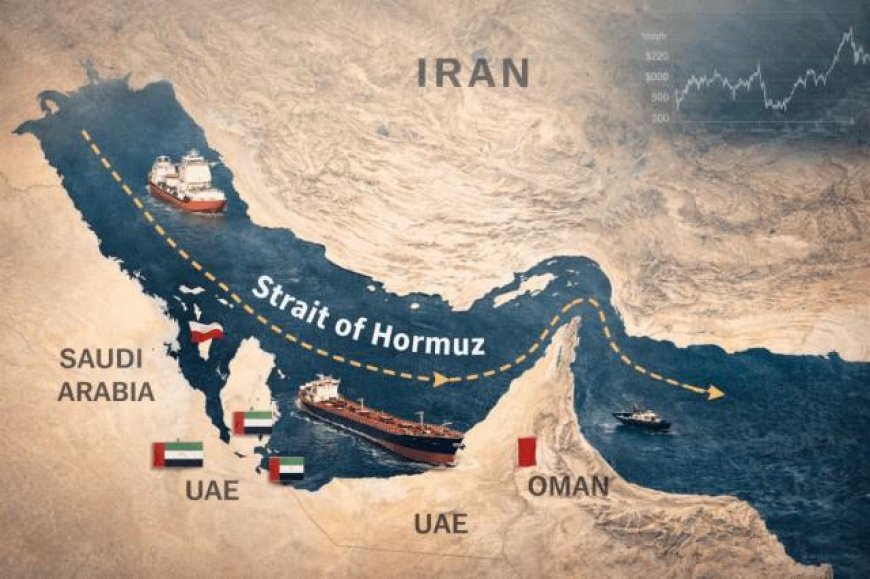
The Strait of Hormuz, located between Iran and Oman, normally handles a significant share of global oil trade. However, the ongoing regional conflict has severely disrupted tanker movement through the waterway, forcing major producers to look for alternative export routes.
To manage the crisis, Saudi Arabia is relying on its cross-country East-West pipeline, which transports crude from oil fields in the kingdom's eastern region to the Red Sea coast. This pipeline allows the country to bypass the Strait of Hormuz and ship oil from the western port of Yanbu instead.
Despite the alternative route, there are limitations. The pipeline and port infrastructure feeding Yanbu cannot handle the same export volumes that typically pass through the Strait of Hormuz. As a result, buyers choosing the Red Sea option may receive only a portion of their contracted oil shipments.
Saudi Arabia is the world's largest crude oil exporter, shipping millions of barrels each day to markets in Asia, Europe and other regions. In normal conditions, most of these shipments depart from terminals on the Persian Gulf, particularly from Ras Tanura. However, the ongoing crisis has forced the kingdom to divert some cargoes westward toward the Red Sea to maintain supply.
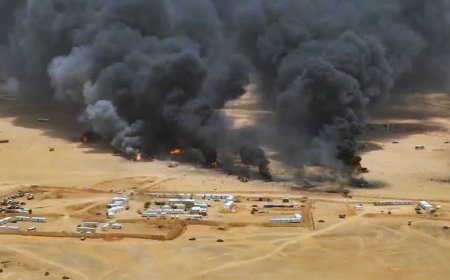
Data from tanker-tracking services shows that shipments from Yanbu have increased sharply in recent weeks as the kingdom adjusts its export strategy. Several supertankers have already gathered near the port to load crude and transport it to international markets.
Saudi Arabia's ability to reroute oil through the Red Sea gives it greater flexibility than many other Gulf producers, which rely heavily on the Strait of Hormuz for exports. Countries such as Iraq and Kuwait have fewer alternative routes and face greater challenges if the strait remains blocked or unsafe for shipping.
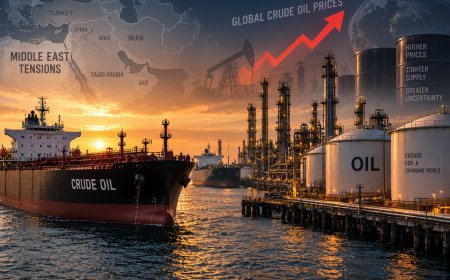
The ongoing disruption has already pushed global oil prices higher and raised concerns about energy security worldwide. The Strait of Hormuz is considered one of the most vital energy corridors, with roughly a fifth of global oil and liquefied natural gas shipments normally passing through it.
Energy analysts say Saudi Arabia's move to offer Red Sea shipments is aimed at reassuring buyers and stabilising markets during a period of uncertainty. However, if the conflict continues and the strait remains restricted, even alternative routes like Yanbu may struggle to fully replace the massive volumes typically transported through the Gulf.
Also Read: World’s Largest Oil Reserves Belong to Venezuela, Not Saudi Arabia
For now, the kingdom's strategy highlights how major oil producers are adapting logistics and infrastructure to maintain supply as geopolitical tensions reshape global energy flows.
Saudi Arabia turns to the Red Sea: Yanbu port emerges as alternative export hub as Strait of Hormuz crisis threatens global oil supplies.