















PIF Takes Full Ownership of Saudi Football's Big Four
PIF now fully owns Al-Hilal, Al-Nassr, Al-Ittihad and Al-Ahli after acquiring the remaining 25% stakes, triggering a major Saudi football governance shake-up.

A New Chapter for Saudi Football's Biggest Names
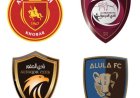
Saudi Arabia's Ministry of Sport confirmed this week that the Public Investment Fund has begun absorbing the final 25% ownership stakes in the kingdom's four most decorated football clubs — Al-Hilal, Al-Nassr, Al-Ittihad and Al-Ahli. The shares, previously held by nonprofit member institutions tied to each club, are being transferred as part of the second and final phase of a privatization drive that began in 2023, when PIF first took 75% control of the clubs.
With the regulatory steps now complete, PIF becomes the outright owner of Al-Nassr, Al-Ittihad and Al-Ahli, while Al-Hilal's structure follows a slightly different track under its own board. The nonprofit foundations that once held the residual stakes are being wound down, and their boards are being dissolved once the required legal procedures conclude.
Governance Overhaul Hits Al-Ittihad Hardest
While the ownership transfer itself is largely a paperwork formality by this stage, its knock-on effects for club leadership have been anything but routine. Al-Hilal, Al-Nassr and Al-Ahli have each announced that their existing club-company boards will continue running day-to-day operations for a 90-day transition window dating back to mid-July, intended to preserve stability while the new ownership structure beds in.
Al-Ittihad broke from that pattern. The Jeddah giants used their statement to confirm the departure of board chairman Fahd Sindi with immediate effect, thanking him for his service. Sindi had already signalled in May that he did not intend to seek another term once his mandate expired in mid-August, but mounting criticism over the team's inconsistent results this season had intensified pressure on his position in the weeks before the announcement. Local sports commentators had been vocal about the club's underperformance relative to its regional rivals, and the timing of the ownership shift effectively accelerated a leadership change that was already on the horizon.
As part of the broader restructuring, PIF staff who had been chairing the clubs' executive committees are also stepping back from those specific roles, a move designed to satisfy competitive-balance rules that discourage a single owner from exercising direct sporting control across multiple clubs in the same league.
Part of a Wider Privatization Push
The transfer is the latest milestone in Saudi Arabia's multi-year project to convert its top football clubs into fully commercial entities capable of attracting sponsorship, media rights deals and eventually outside investors. Since PIF's initial move into club ownership, Al-Hilal, Al-Nassr and Al-Ittihad have finished among the top three positions in the domestic league table, underlining the competitive stakes attached to the reforms, while Al-Ahli — historically one of the country's most successful clubs — is working its way back after a relegation in a previous campaign.
Officials involved in the sports investment program have framed the restructuring as a way to sharpen corporate governance, unlock new revenue streams and make the clubs more appealing to future private investors, whether domestic business groups or international partners. Reports in Saudi media suggest that Al-Nassr, Al-Ittihad and Al-Ahli could eventually be handed to consortiums of investors and business leaders as the privatization process runs its full course, though no firm timeline has been confirmed.
Why It Matters Beyond the Pitch
The reshuffle lands at a moment when Saudi football commands unprecedented global attention, fuelled by high-profile international signings, record broadcast deals and the kingdom's growing footprint in world sport. For PIF, football ownership sits alongside stakes in global golf, motorsport and the English Premier League as part of a wider sports investment strategy tied to Vision 2030's push to diversify the economy away from oil.
For fans, the immediate concern is less about corporate structure and more about what stability — or instability — at boardroom level means for team performance in the season ahead. Al-Ittihad's abrupt leadership change, in particular, leaves supporters watching closely to see who steps in to guide the club through a season in which expectations remain sky-high.
Analysts tracking the kingdom's sports economy say the completed ownership transfer removes a layer of ambiguity that had lingered since the original 2023 restructuring, giving PIF a cleaner mandate to pursue commercial partnerships without needing sign-off from separate nonprofit boards. Whether that translates into faster progress on sponsorship deals, stadium upgrades or eventual investor sales will likely become clearer in the coming months as the transition period draws to a close.
Next Article