

























Saudi Arabia Activates Maritime Defense Alliance
Saudi Arabia's Cabinet confirms the institutional activation of its Multinational Maritime Defense Alliance, aimed at protecting Gulf and Red Sea shipping lanes.

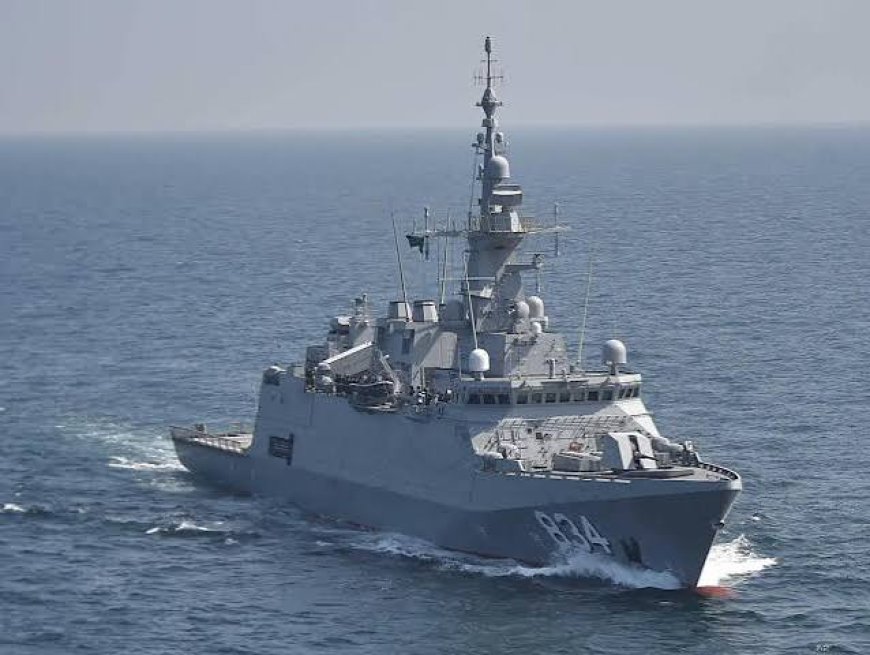
Saudi Arabia Pushes Maritime Alliance into Operational Phase Amid Regional Shipping Threats
Saudi Arabia's Cabinet confirmed on Tuesday that the Kingdom has begun the institutional and operational activation of the Multinational Maritime Defense Alliance, a coalition it launched earlier this year to safeguard shipping lanes that have come under repeated threat during the ongoing regional conflict. The announcement, made during a Cabinet session, follows the completion of the alliance's organizational and planning arrangements and marks a shift from the coalition's founding stage into practical implementation.
According to the Cabinet's statement, the alliance's core mission is to strengthen collective maritime security, protect freedom of navigation, and secure the vital trade and energy routes that pass through some of the world's most strategically important waterways. Officials framed the effort as essential to maintaining the continuity of international trade and global supply chains at a moment when several key shipping corridors in the region remain under strain.
Origins in a Season of Escalating Attacks
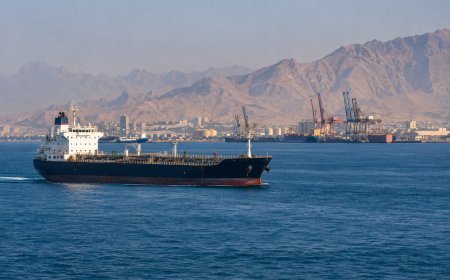
The alliance traces its roots to late July, when Saudi Arabia and 13 other nations formally announced its creation in Riyadh following a series of disruptive attacks on shipping in the Red Sea and Bab el-Mandeb Strait. The Houthi movement in Yemen had imposed a maritime blockade on Saudi Arabia just days earlier, disrupting oil shipments that were forced to reroute and heightening concern across the shipping industry about the safety of one of the busiest trade corridors on Earth.
Founding members of the coalition include Saudi Arabia, Kuwait, Bahrain, Qatar, Pakistan, Turkiye, Egypt, Jordan, Djibouti, Somalia, Sudan, Yemen, Bangladesh, and Nigeria, with representatives from dozens of additional countries participating in planning discussions. Saudi Arabia serves as the alliance's founding and leading state, with its headquarters based in the Kingdom. Organizers have described the coalition's structure as including a permanent military command, a joint command-and-control center, and a combined maritime operations center intended to coordinate activity among member states.
From Planning to Practice
Since its initial announcement, the alliance has moved through several stages toward becoming a functioning force. In mid-August, Saudi officials confirmed that 13 countries had completed the national procedures required to formally join the coalition and sign its charter, describing that milestone as the alliance's effective launch. A subsequent planning meeting held at the Western Fleet Command in Jeddah brought together representatives from dozens of allied nations to finalize remaining operational details.
Tuesday's Cabinet statement represents the next step in that progression, signaling that the coalition is now moving beyond paperwork and into the phase of institutional and operational readiness. While the Cabinet did not detail specific naval assets or deployment schedules, the alliance's stated activities are expected to include intelligence sharing, joint operational planning, and coordinated maritime exercises among member states.
Iran's Role in the Backdrop
The Cabinet's statement specifically noted that Iranian attacks continue to pose a threat to the security and safety of maritime navigation, reflecting Riyadh's broader concern about the impact of the ongoing US-Iran conflict on regional shipping. The war, which began after joint American-Israeli strikes on Iran in late February, has severely disrupted traffic through the Strait of Hormuz, a corridor that historically carried around a fifth of the world's oil and gas exports. That disruption, combined with Houthi attacks in the Red Sea, has left Gulf and Red Sea shipping routes simultaneously constrained — a rare double bottleneck for global energy trade.
Analysts note that the alliance's activation also intersects with other regional security arrangements Saudi Arabia has pursued in recent months, including deepening defense cooperation with Turkiye and Pakistan. Pakistan's representative has reportedly been named deputy commander for the coalition's first term, a role seen as reinforcing the broader partnership among the three countries.
A Defensive Framework, Officials Insist
Saudi officials have repeatedly emphasized that the alliance is defensive in nature and does not target any particular state, describing it instead as an open coalition welcoming any country that shares its stated goals of protecting navigation and trade. Even so, the timing and composition of the alliance make clear that it has been shaped directly by the security challenges posed by Iran-linked threats across the Gulf, Red Sea, and Bab el-Mandeb corridor.
As the coalition transitions into its operational phase, regional observers will be watching closely to see whether it can translate its stated goals into a tangible reduction in attacks on commercial shipping — and whether additional countries, among the more than 50 originally invited to join, ultimately complete the procedures needed to formally sign on.
Next Article