


















Saudi Crude Tanker Reaches Mumbai Port After Crossing Strait of Hormuz Amid Conflict
Saudi oil tanker carrying 135,000 tonnes crude docks at Mumbai port, first shipment since Iran conflict disrupted Strait of Hormuz. India's energy security gets boost amid regional tensions.

Saudi Crude Tanker Reaches Mumbai Port, First Since Iran Conflict Disrupted Gulf Shipping
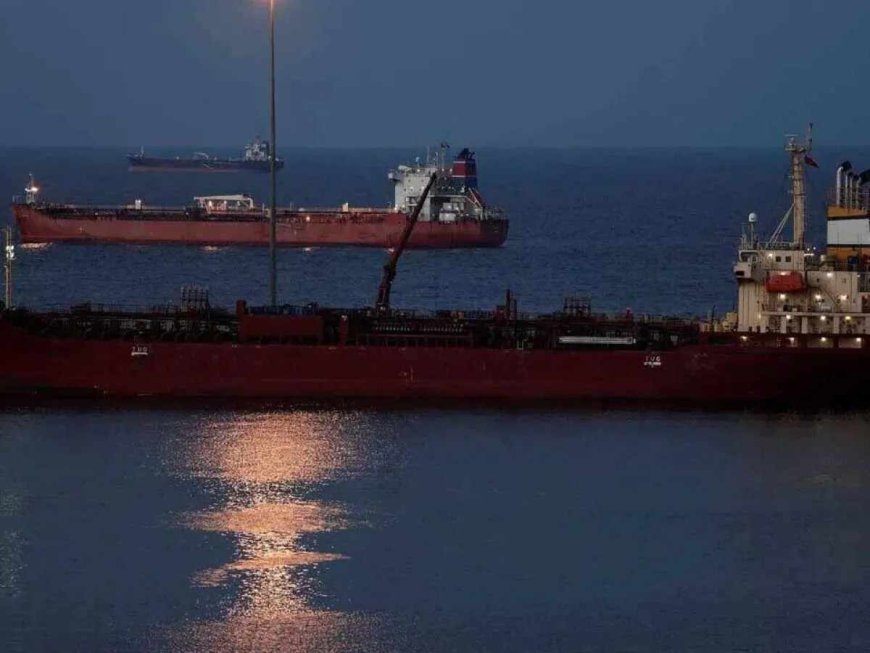
Mumbai, India — India received a boost to its energy security as a Saudi crude oil tanker successfully reached Mumbai port, marking the first such shipment since the outbreak of the ongoing Iran-related conflict that disrupted shipping in the Gulf. The development is being seen as a significant relief for India's oil supply chain amid rising geopolitical tensions in West Asia.
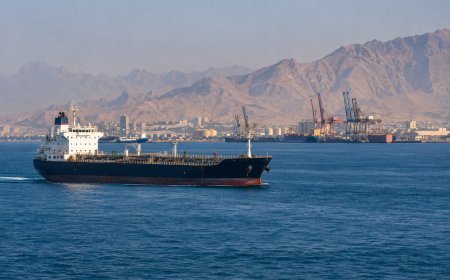
A Liberian-flagged Suezmax tanker carrying more than 135,000 metric tonnes of Saudi crude oil docked at Mumbai port earlier this week after navigating the Strait of Hormuz, one of the world's most critical oil shipping routes. The vessel had loaded its cargo at the Saudi port of Ras Tanura on March 1 before beginning its journey toward India.
According to port officials, the tanker arrived at Mumbai's Jawahar Dweep terminal and began unloading its cargo soon after berthing. The oil shipment is expected to be supplied to refineries located in Mahul in eastern Mumbai, and the unloading process could take around 36 hours to complete.
The safe arrival of the tanker is notable because it comes at a time when shipping traffic through the Strait of Hormuz has been severely disrupted due to the escalating Iran conflict. Since the crisis began in late February, several shipping companies have suspended operations in the region, and many vessels have avoided passing through the narrow waterway because of the threat of attacks.
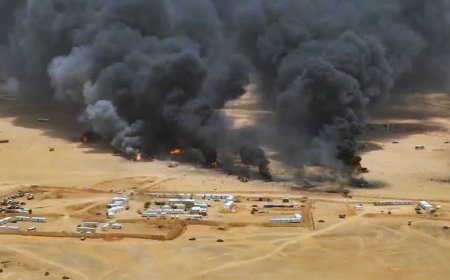
The Strait of Hormuz is a vital global energy corridor through which nearly 20 percent of the world's oil supply normally passes every day. The ongoing conflict has led to missile and drone attacks on ships and infrastructure in the region, causing maritime traffic to drop sharply and leaving numerous vessels stranded outside the strait.
Against this tense backdrop, the successful transit of the Saudi crude tanker to Mumbai represents a positive signal for India's energy imports. It demonstrates that oil shipments to the country can still reach their destination despite the heightened risks in the Gulf region.
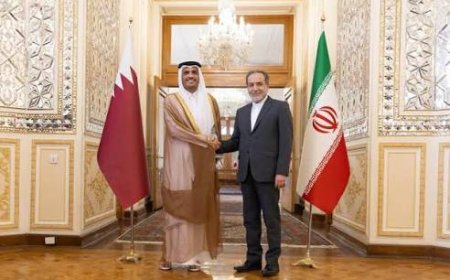
Another encouraging development for India's energy supply came as Iran allowed two Indian-flagged tankers—Pushpak and Parimal—to pass through the Strait of Hormuz. Their safe movement through the strategic waterway suggested that diplomatic communication and negotiations were helping ease tensions for Indian shipping.
Despite these developments, the situation remains delicate. Authorities have reported that around 28 Indian-linked vessels were still in or near the strait during the crisis, highlighting the risks faced by commercial shipping in the conflict zone.
Some ships have resorted to turning off their Automatic Identification System (AIS) tracking signals or using other tactics to reduce the risk of being targeted while travelling through the volatile region.
Even as diplomatic efforts showed some progress, tensions remained high. In one incident, a Thailand-flagged bulk carrier headed for India came under attack in the strait, with a projectile hitting the vessel and sparking a fire on board.
India's Ministry of External Affairs strongly condemned such attacks on commercial shipping, stating that targeting civilian vessels during the conflict was unacceptable and endangered global trade routes.
India is heavily dependent on imported oil, with around 80 percent of its crude requirements sourced from overseas markets. As a result, disruptions in key global shipping routes like the Strait of Hormuz can have a direct impact on the country's energy supply and fuel prices.
The arrival of the Saudi crude shipment therefore provides reassurance that supply chains remain functional despite the crisis. However, experts warn that the broader situation in the region is still unpredictable, and shipping disruptions could continue if the conflict escalates further.
Also Read: Archana Puran Singh Pauses AAAP Ka Parivar Despite Crossing 1 Million Subscribers
For now, the successful docking of the tanker in Mumbai and the safe passage of Indian vessels through the strait are being viewed as two crucial wins for India's energy security during a period of extreme geopolitical uncertainty.
Saudi oil tanker breaks through war zone: First crude shipment reaches Mumbai as India navigates the Strait of Hormuz crisis.