


















Market Impact: Saudi Arabia and Russia Drive OPEC+ Oil Output Increase
Saudi Arabia and Russia will lead a 206,000 bpd oil production increase in May 2026, as OPEC+ cautiously eases cuts amid geopolitical tensions and market volatility.

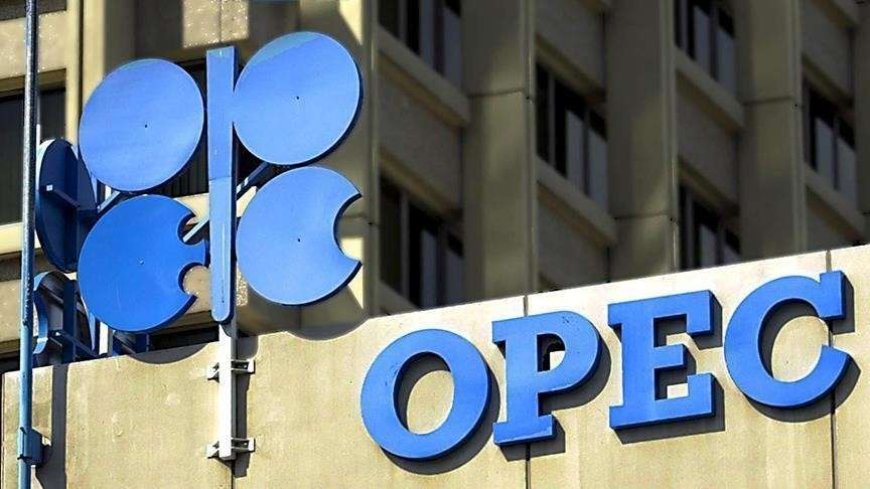
OPEC+ to Boost Oil Supply in May: Saudi Arabia and Russia Lead 206,000 bpd Increase
Saudi Arabia and Russia are set to play a dominant role in boosting global oil supply, contributing more than 60% of the planned production increase scheduled for May 2026. The move comes as part of a coordinated decision by key members of the OPEC+ alliance to gradually ease earlier production cuts and stabilise volatile energy markets. The decision has been widely anticipated.
The decision was finalised during a virtual meeting held on April 5, where eight major oil-producing nations — Saudi Arabia, Russia, Iraq, the UAE, Kuwait, Kazakhstan, Algeria, and Oman — reviewed global market conditions. The group agreed to implement a combined production increase of 206,000 barrels per day (bpd) starting in May, signalling a cautious return of supply amid ongoing geopolitical uncertainty. The increase is modest but significant.
Out of this total increase, Saudi Arabia and Russia alone will account for a significant share, each contributing around 62,000 bpd. This means the two countries will together deliver over 60% of the total additional output, reinforcing their leadership within the OPEC+ alliance and their influence over global oil markets. Their dominance remains unchallenged.
Other participating countries will make smaller contributions to the supply boost. Iraq is expected to add approximately 26,000 bpd, while the UAE will increase output by about 18,000 bpd. Kuwait and Kazakhstan are set to contribute 16,000 bpd and 10,000 bpd respectively, with Algeria and Oman adding modest increments of 6,000 bpd and 5,000 bpd. The distribution reflects each nation's capacity.
The planned increase is part of a broader strategy to gradually unwind voluntary production cuts introduced in recent years. These cuts, amounting to around 1.65 million bpd, were initially implemented in April 2023 to support oil prices and maintain market balance. OPEC+ has maintained flexibility in its approach, indicating that these cuts can be reversed partially or fully depending on evolving market conditions. The strategy is adaptive.
Despite the planned output hike, the move is widely seen as cautious and measured. OPEC+ members have emphasised the need to closely monitor global demand, geopolitical risks, and supply disruptions before making any aggressive production changes. The group has also reiterated its commitment to maintaining stability in the oil market, especially at a time when energy infrastructure and supply routes face increasing threats. Caution is the watchword.
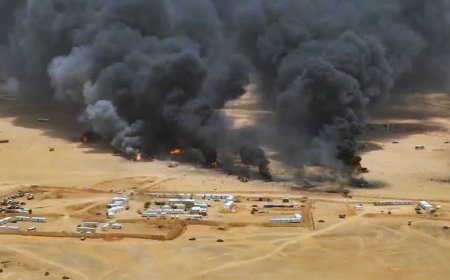
Recent geopolitical tensions, particularly in the Middle East, have significantly impacted global oil supply chains. Attacks on energy infrastructure and disruptions to key shipping routes have raised concerns about the reliability of oil flows. OPEC+ members acknowledged that restoring damaged facilities can be both costly and time-consuming, which could limit supply availability in the near term. The risks are real.
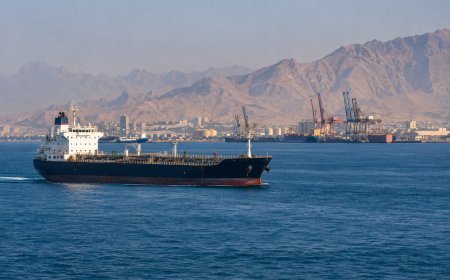
The situation has been further complicated by disruptions in critical transit points such as the Strait of Hormuz, a vital corridor through which a significant portion of the world’s oil supply passes. Reduced shipments through this route have contributed to rising oil prices and increased market volatility, prompting producing nations to act cautiously. The strait remains a flashpoint.
In this context, the May production increase is being viewed by analysts as both symbolic and strategic. While the additional supply may not immediately offset disruptions caused by geopolitical conflicts, it signals OPEC+’s readiness to respond to changing conditions and stabilise markets when necessary. The message is one of preparedness.
Saudi Arabia and Russia’s leading role in this effort highlights their continued dominance in global energy policy. Both countries have consistently coordinated production strategies within OPEC+ to manage supply and influence prices. Their significant contribution to the upcoming output increase underscores their commitment to guiding the alliance’s decisions during uncertain times. Leadership is clear.
Looking ahead, OPEC+ has made it clear that it will retain full flexibility in its production strategy. The group has left open the possibility of pausing, increasing, or even reversing output adjustments depending on how global conditions evolve. This adaptive approach is intended to ensure that the oil market remains balanced while safeguarding the interests of both producers and consumers. Flexibility is key.
Also Read: Grim Development: Indian National Dies in Riyadh as MEA Confirms Multiple Fatalities
In conclusion, the planned production increase for May reflects a careful balancing act by OPEC+ nations. With Saudi Arabia and Russia driving the majority of the additional output, the alliance is taking a measured step toward boosting supply while remaining vigilant about ongoing risks in the global energy landscape. The world will be watching closely.