





















Iran: Hormuz Stays Shut Until US Meets Demands
Iran's top negotiator says the Strait of Hormuz will remain closed until Washington lifts its naval blockade, ending sanctions, and unfreezes assets.

Iran Holds Firm on Hormuz Closure Amid Stalled Talks with Washington
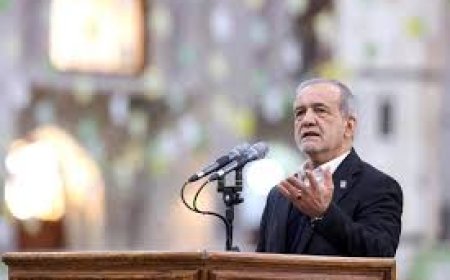
Tehran has once again drawn a hard line over one of the world's most critical shipping corridors. Iran's top negotiator, parliamentary Speaker Mohammad Bagher Qalibaf, declared on Tuesday that the Strait of Hormuz will remain off-limits to commercial traffic until the United States honors the terms of a memorandum of understanding that has since fallen apart.
Speaking in a televised address, Qalibaf laid out Tehran's conditions in unambiguous terms. He said Iran expects Washington to lift the naval blockade currently restricting movement through the strait, roll back oil sanctions, and release Iranian financial assets held abroad before any reopening can be considered. The remarks leave little room for near-term compromise and signal that Iran views the waterway as its primary point of leverage in a standoff that has already reshaped global energy markets.
A Waterway at the Center of a Regional Crisis
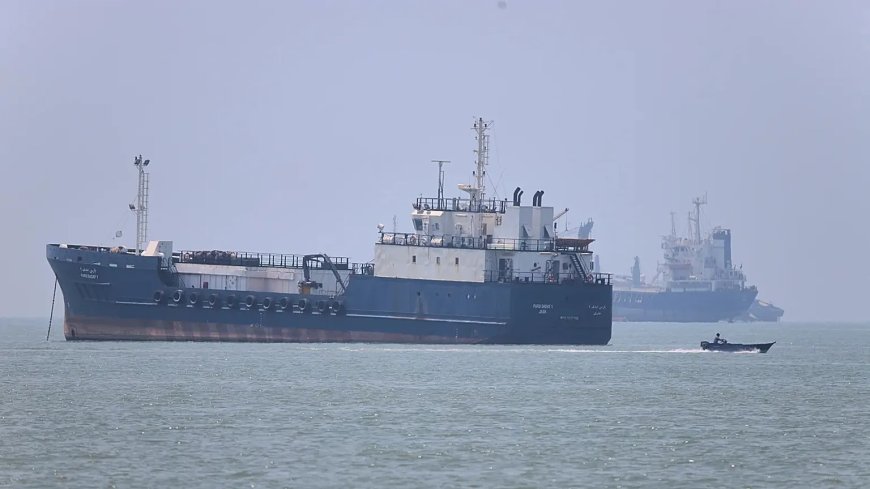
The Strait of Hormuz has long been the single most important chokepoint for global oil flows, historically carrying roughly a fifth of the world's seaborne crude and gas exports. Since fighting erupted between Iran and the United States on February 28, following joint American-Israeli strikes on Iranian territory, traffic through the strait has been sharply curtailed. What was once a routine commercial corridor has become a flashpoint watched closely by energy traders, shipping insurers, and governments across the Gulf.
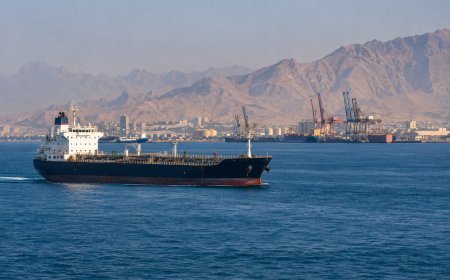
Qalibaf's comments came just hours after reports emerged that a vessel had been struck by a projectile inside the strait, with at least one crew member reported as a casualty. While responsibility for the incident had not been formally established at the time of writing, the timing added weight to Tehran's warning and reinforced fears that the waterway remains an active zone of confrontation rather than a de-escalating one.
Behind the Collapsed Truce
The demands Qalibaf outlined trace back to an Iran-US truce reached in June, which briefly raised hopes of a diplomatic off-ramp before unraveling within weeks. That earlier understanding had included provisions on naval movement, sanctions relief, and the unfreezing of Iranian funds parked in foreign banks — the same three conditions Qalibaf repeated in his Tuesday address. His insistence that these terms must be "implemented" rather than merely discussed suggests Tehran sees renewed negotiation as pointless without concrete first steps from Washington.
Iran's negotiator also struck a defiant tone beyond the economic conditions, framing his country as prepared to respond forcefully to further pressure. That combative posture comes even as separate diplomatic tracks continue elsewhere in the region. Iran and Oman, both of which sit along the strait, have spent recent weeks discussing navigation arrangements, with Tehran suggesting that the geographic coordinates for a possible shipping corridor have already been agreed upon in principle. Iranian officials described those talks as "continuing in a serious manner," even as the broader standoff with Washington remains unresolved.
Gulf States Watch Closely
For Saudi Arabia and its neighbors, the prolonged closure of Hormuz carries direct economic and security consequences. Gulf producers have increasingly relied on alternative export routes, including pipelines that bypass the strait entirely, but no substitute can fully absorb the volumes that once moved through the waterway. The uncertainty has also accelerated regional efforts to build collective maritime security arrangements, with Riyadh in particular pushing forward a multinational naval framework designed to protect shipping lanes across the wider region.
Energy markets have adjusted to the disruption in fits and starts. Oil prices have largely stabilized in recent weeks as US sanctions enforcement and naval patrols have offset some of the lost Hormuz capacity, easing the strain on American consumers even as Gulf economies continue to absorb the cost of reduced throughput. Still, analysts caution that any escalation — including further attacks on vessels transiting the strait — could quickly reverse that fragile stability.
What Comes Next
Qalibaf is expected to lead a high-level parliamentary delegation to Iraq this week, a trip that regional observers believe will focus on shoring up Tehran's diplomatic position with a neighbor caught between competing pressures from Iran and the West. Whether that visit yields any softening in Iran's public stance on Hormuz remains to be seen.
For now, the message from Tehran is unchanged: the strait stays closed until Washington moves first. With no indication that either side is prepared to blink, the standoff over one of the world's most strategically vital waterways looks set to continue, leaving shippers, insurers, and Gulf governments to navigate an extended period of uncertainty.
Next Article