


















Saudi PIF Revenue Rises 9% to $120bn, Profit Doubles
Saudi Arabia's Public Investment Fund reported 17bn in net profit, as assets under management surpassed $900bn, its annual report shows.

A Record Year for the Kingdom's Sovereign Giant
Saudi Arabia's Public Investment Fund has closed out 2025 with its strongest financial performance to date, reporting a 9 percent increase in annual revenue to $120 billion alongside a net profit that more than doubled compared with the previous year, according to figures released in the fund's newly published annual report.
Net profit for the year came in at $17 billion, a sharp jump driven largely by returns from maturing portfolio companies — businesses that PIF seeded, incubated or acquired in earlier years and which are now generating substantial returns as they reach commercial scale. The results underscore a maturing phase for the fund's investment strategy, moving from an era dominated by capital deployment into one increasingly defined by returns generation.
Assets Under Management Cross the $900 Billion Mark
Perhaps the most striking figure in the report is the trajectory of PIF's total assets under management, which exceeded  530 billion in 2021 and just $150 billion in 2015, illustrating the sheer pace at which the fund has grown over the past decade as it has become the primary financial engine behind Saudi Arabia's Vision 2030 economic transformation agenda.
Since 2017, PIF has delivered an annualized total shareholder return of 5.8 percent, a benchmark the fund highlighted as evidence of its ability to generate sustainable value even as it pursues an unusually broad and ambitious investment mandate spanning everything from domestic giga-projects to global technology, sports and entertainment holdings.
AI Investments Take Center Stage
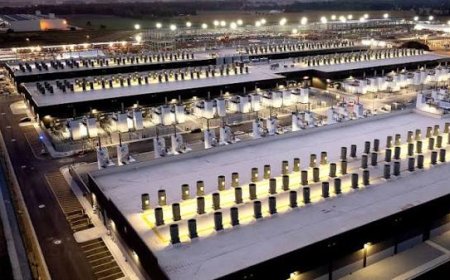
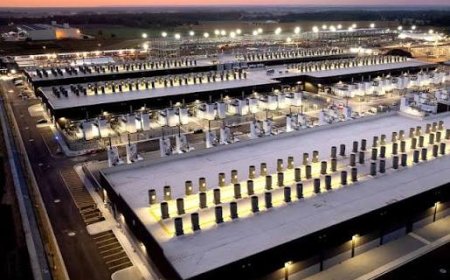
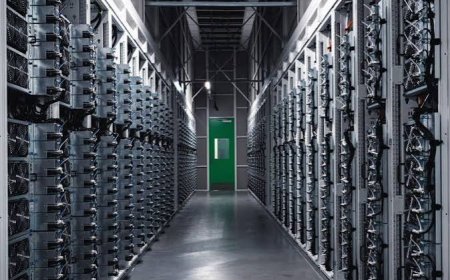
Among the year's most notable developments, PIF pointed to the launch of major new firms in 2025, including Humain, the fund's wholly owned artificial intelligence company established to spearhead the Kingdom's push into AI infrastructure and services. Humain has since moved quickly to establish itself on the global stage, signing partnerships with international players including Elon Musk's xAI and data center developer AirTrunk, while setting a long-term target of reaching approximately 6 gigawatts of AI computing capacity by 2034.
Maram Al-Johani, chief of staff and secretary general to PIF's board, framed the artificial intelligence push as central to the fund's broader mission. "Throughout 2025, PIF continued to drive Saudi Arabia's economic development and diversification through long-term strategic investments," she said, pointing to the fund's expanding role across both domestic and international markets.
Balancing Giga-Projects with Global Diversification
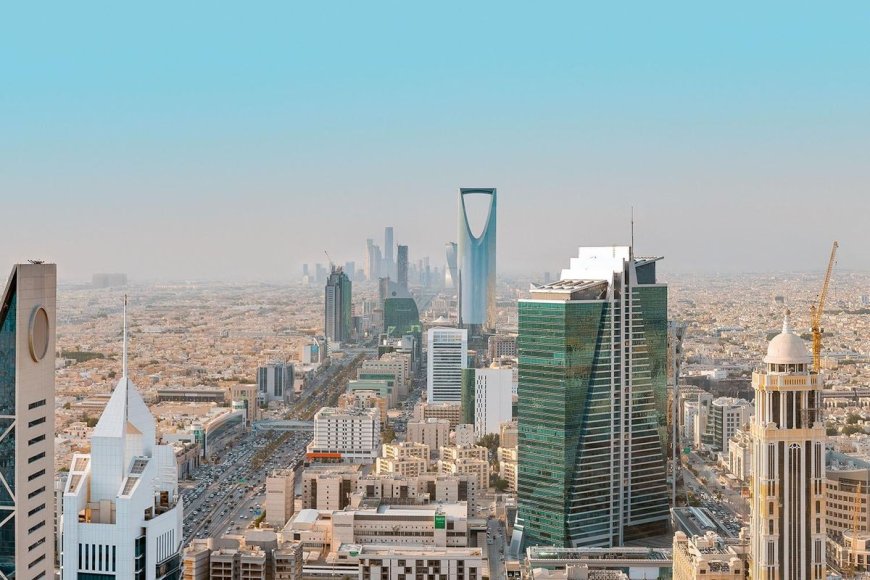
PIF's dual mandate — financing the Kingdom's flagship domestic giga-projects while simultaneously building a diversified global investment portfolio — has made it one of the most closely watched sovereign wealth funds in the world. Domestically, the fund remains the primary financial backbone behind mega-developments including NEOM, the futuristic city project in the Kingdom's northwest; Diriyah, the historic capital being transformed into a major cultural and hospitality destination; Qiddiya, an entertainment-focused giga-project near Riyadh; and the Red Sea tourism developments along the Kingdom's western coastline.
Internationally, PIF has built an increasingly diverse global portfolio spanning technology, gaming, sports, entertainment and financial services, with stakes in companies and ventures across multiple continents. This blended strategy — heavy domestic capital commitments paired with global diversification — has drawn scrutiny in recent years amid broader fiscal pressures facing the Kingdom, including a widening budget deficit tied to softer oil revenues and elevated government spending.
Context Within a Wider Fiscal Picture
The strong PIF results arrive at a moment when Saudi Arabia's broader public finances face mounting pressure. Recent economic forecasts have projected the Kingdom's public debt-to-GDP ratio could climb toward 36 percent by the end of 2026, up sharply from around 26 percent at the close of 2024, as the government continues running fiscal deficits to fund its ambitious development agenda. Some analysts have characterized these deficits not as a setback, but as a deliberate and calculated trade-off in service of longer-term economic diversification goals — a framing that PIF's latest results appear to support, given the scale of returns now being generated from investments made in earlier years.
Looking Ahead
With assets under management now well past the $900 billion threshold and full-year profit more than doubling, PIF's latest annual report offers a data-backed signal that the fund's long-term investment strategy is beginning to bear fruit at scale. As portfolio companies continue to mature and newer ventures like Humain scale up their operations, the coming years are likely to test whether PIF can sustain this pace of growth while continuing to fund the enormous capital requirements of the Kingdom's giga-project pipeline — a balancing act that will remain central to Saudi Arabia's broader economic transformation story.