




















Saudi Arabia Unveils $1 Trillion U.S. Investment Strategy Focused on AI and Next-Gen Technology
Saudi Arabia ups its US investment pledge to $1 trillion. Analysis shows focus on AI (via HUMAIN), nuclear tech, & critical minerals. A deep dive into MBS's Vision 2030 strategy.

Saudi Arabia's $1 Trillion US Pledge: Betting on AI, Nuclear & Tech to Ditch Oil Dependence
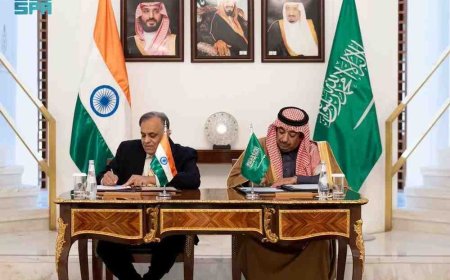
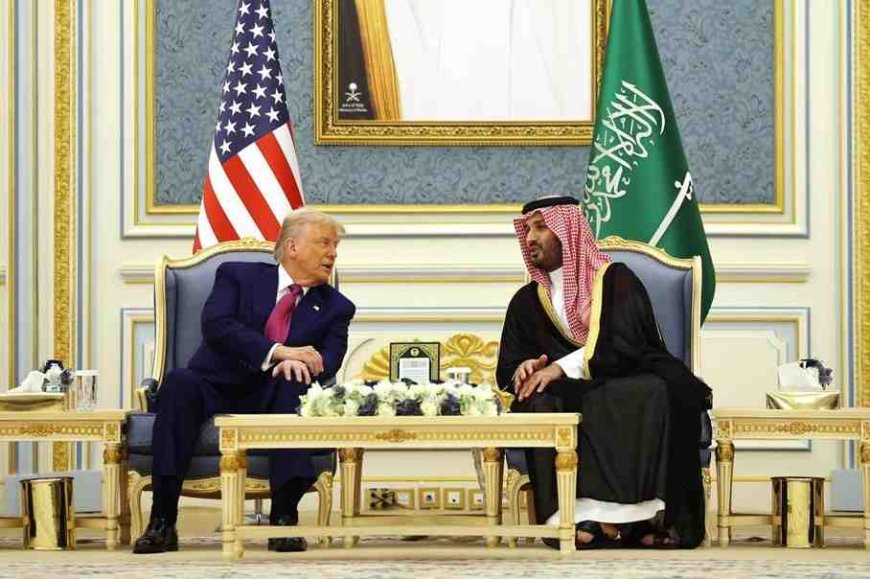
In a landmark declaration during Crown Prince Mohammed bin Salman's (MBS) November 2025 visit to Washington, Saudi Arabia announced a staggering escalation of its U.S. investment commitment—from $600 billion to nearly $1 trillion. This monumental pledge signifies the Kingdom's most aggressive move yet to pivot its oil-reliant economy toward becoming a dominant force in the technology and infrastructure defining the 21st century.
The Strategic Sectors: Where the $1 Trillion Will Flow
The pledge is not a blank check but a targeted strategy focused on high-growth, foundational sectors:
-
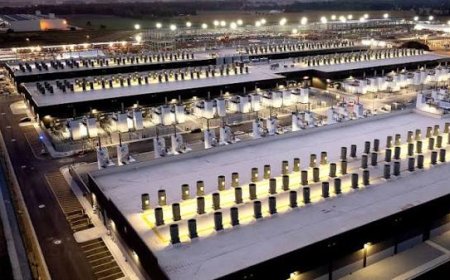
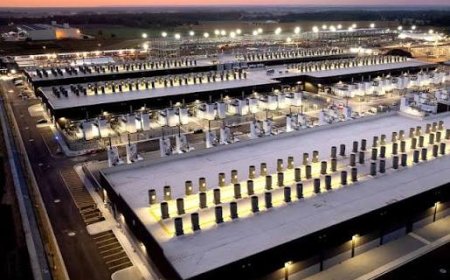
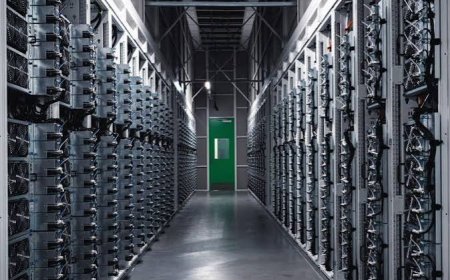
Artificial Intelligence & Advanced Computing: A core priority. Investments will target AI infrastructure, semiconductor supply chains, and cloud computing. This effort is spearheaded by HUMAIN, a state-backed AI company launched in 2025 under the Public Investment Fund (PIF), with a mandate to build Saudi Arabia into a global AI hub.
-
Civil Nuclear Energy & Critical Minerals: The visit solidified a U.S.-Saudi civil nuclear cooperation agreement and a "Critical Minerals Framework." This dual approach aims to secure next-generation energy technology and lock in supplies of raw materials essential for everything from EV batteries to defense systems, reducing strategic vulnerabilities.
-
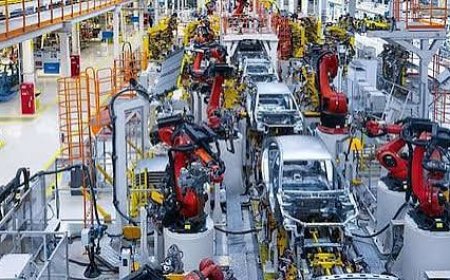
Broad Infrastructure & Industry: The commitment extends to U.S. transportation, logistics, finance, and defense industrial projects, aiming to create a "full-spectrum" economic partnership that goes far beyond passive investment.
The "Why": Decoding Saudi Arabia's Grand Strategy
This trillion-dollar pivot is the external investment arm of Vision 2030, the Kingdom's blueprint to diversify its economy. The rationale is multi-layered:
-
Economic Survival: To build sustainable, post-oil revenue streams by owning stakes in the high-margin tech and green energy sectors of the future.
-
Technology Sovereignty: To acquire expertise, intellectual property, and manufacturing capacity through joint ventures and direct investments, transferring critical knowledge back to Saudi soil.
-
Geopolitical Influence: To embed Saudi capital deeply within the U.S. industrial and tech base, ensuring the Kingdom retains strategic relevance and a voice in shaping global technological standards.
-
Leveraging Natural Advantages: Saudi Arabia plans to use its vast energy resources to power energy-hungry AI data centers and its sovereign wealth to finance large-scale bets others cannot.
The HUMAIN Factor: Saudi Arabia's AI Champion
The creation of HUMAIN is particularly telling. It is not just another investment fund but a national champion designed to centralize the Kingdom's AI ambitions. By channeling investments and partnerships through HUMAIN, Saudi Arabia aims to avoid a scattered approach and build a concentrated, vertically integrated AI ecosystem from semiconductors to data centers.
Implications for the U.S. and the World
-
For the United States: The pledge represents a massive potential capital injection into strategic sectors, potentially boosting jobs, R&D, and supply chain resilience. However, it will also trigger intense CFIUS (Committee on Foreign Investment) regulatory scrutiny, especially for deals in AI, semiconductors, and critical infrastructure.
-
For the Global Order: This move accelerates the financialization of geopolitical alliances. It positions Saudi Arabia as a swing investor capable of influencing the global tech race, potentially creating new axes of cooperation and competition between the U.S., China, and the Gulf.
-
For the Energy Transition: Saudi investments in U.S. nuclear tech and critical minerals directly support the global shift to clean energy, while also securing the Kingdom's role in that future economy.
Challenges and Skepticism: The Road Ahead
Despite the bold announcement, significant hurdles remain:
-
Execution Risk: Deploying $1 trillion effectively is a historic challenge. Skeptics question the pace and practical deployment of such a sum, warning of "pledge inflation."
-
Domestic Trade-offs: Critics argue such vast external spending could divert resources from pressing domestic needs in Saudi healthcare, education, and SME development.
-
Geopolitical Vulnerability: The strategy is highly exposed to U.S. political shifts, regulatory barriers, and potential future tensions in the bilateral relationship.
-
Human Rights Scrutiny: The partnership continues to draw criticism from human rights groups, who urge the U.S. to link economic cooperation to tangible reforms.
Conclusion: A Historic, High-Stakes Wager
Saudi Arabia's $1 trillion U.S. investment pledge is more than an economic deal; it is a strategic wager on national reinvention. The Kingdom is betting its oil wealth can buy a ticket into the core of the next industrial revolution.
Success would redefine Saudi Arabia as a technological and industrial stakeholder, securing its prosperity for the post-oil era. Failure, or even significant stumbles, would represent a costly diversion of national treasure. The world will now watch closely as the first major deals emerge, testing whether this visionary pledge can become a transformative reality.