Why Saudi Arabia & UAE Import Sand: The Desert Sand Paradox Explained
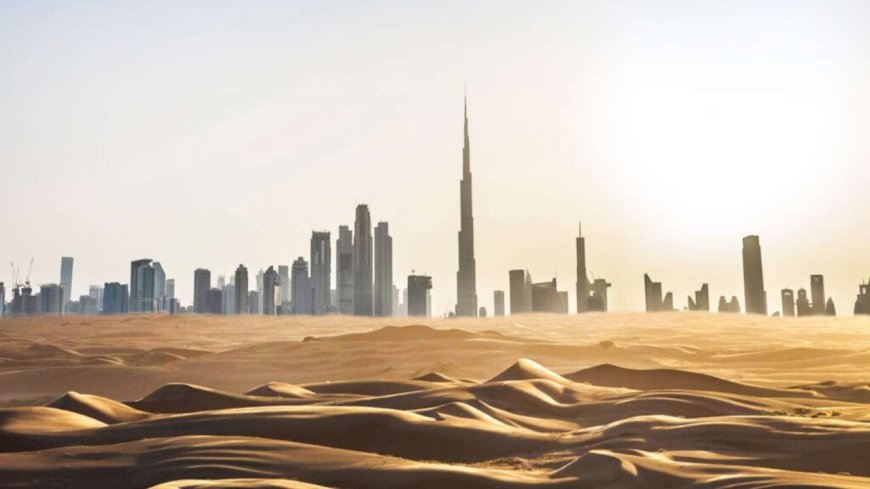
It’s a startling trade paradox: Saudi Arabia and the United Arab Emirates (UAE), home to some of the planet's most vast deserts, are significant importers of sand from countries like Australia. Surrounded by endless dunes, these Gulf nations nevertheless spend millions to ship this fundamental material across oceans. The reason reveals a crucial lesson in geology and modern engineering: not all sand is created equal.
The Desert Sand Problem: Why Local Sand Fails for Construction
At first glance, the logic seems flawed. Why import sand when you’re surrounded by it? The answer lies in the fundamental unsuitability of desert sand for high-strength construction.
Over millennia, wind erosion polishes desert sand grains into perfectly smooth, round particles. These tiny, uniform spheres are ideal for forming dunes but disastrous for concrete. They lack the angular edges and rough surfaces needed to mechanically interlock and bind with cement. Using this "marbly" sand results in weak, brittle concrete that would compromise the structural integrity of everything from highways to skyscrapers.
The Ideal Construction Sand: Sourced from Water
High-quality construction sand typically comes from riverbeds, lakes, and coastal areas. The constant hydraulic action of water fractures rocks into grains that are angular, coarse, and textured. This roughness provides the essential friction and surface area for cement paste to adhere, creating the strong, durable concrete required for modern infrastructure.
This geological fact forces rapidly developing nations in the Middle East to look beyond their borders. Despite their arid landscapes, the local sand cannot meet the technical specifications for the concrete needed in megaprojects and urban development.
Australia’s Role as a Global Sand Supplier
Australia has emerged as a top global exporter of premium construction sand, rich in silica and with the necessary angular grain structure. In 2023 alone, Australia exported approximately $273 million worth of sand, ranking as the world’s second-largest exporter. Key destinations include Gulf nations, where this specific resource is scarce despite the abundance of desert sand.
For prestigious developments, importing thousands of tonnes of this specialized material is a strategic, albeit small, part of the supply chain—essential for ensuring quality and longevity.
Construction Booms Driving Demand: Vision 2030 and Beyond
The import demand is directly fueled by historic construction booms in the region:
-
Saudi Arabia’s Vision 2030: This ambitious economic diversification plan is unleashing projects like the futuristic NEOM city, giga-resorts, and massive infrastructure networks. These require enormous volumes of high-specification concrete, creating a direct need for imported construction-grade sand.
-
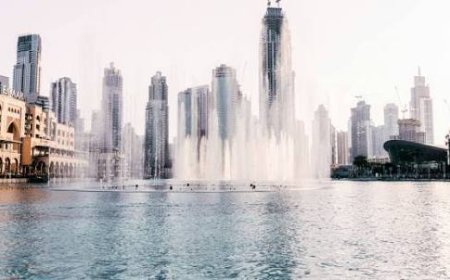
UAE’s Continued Expansion: From the Burj Khalifa to the Palm Jumeirah, the UAE’s iconic skyline and land reclamation projects have long relied on imported marine and river sand. Local sources were exhausted years ago, cementing reliance on international markets for continued growth.
The Bigger Picture: A Global Sand Crisis
The Gulf's situation highlights a global sand crisis. Sand is the second-most consumed natural resource after water, with roughly 50 billion tonnes extracted annually for construction (UNEP). Only a fraction is suitable for building, leading to unsustainable mining, river ecosystem destruction, and coastal erosion worldwide.
In response, industries are seeking sustainable alternatives:
-
Manufactured Sand (M-Sand): Produced by crushing quarried rock into angular particles.
-
Construction & Demolition Waste Recycling: Processing concrete rubble into reusable aggregates.
-
Improved Material Standards: Optimizing concrete mixes to use less virgin sand.
Also Read: Saudi Airstrike Hits Mukalla Port Over Alleged UAE Arms Shipment to Yemen
Conclusion: A Necessity of Science and Scale
For Saudi Arabia and the UAE, importing sand is not a luxury but an engineering necessity. As long as global development relies on strong concrete and desert sand remains physiologically inadequate, this surprising international trade will continue. The future challenge lies in balancing the demands of rapid urbanization with the urgent need for sustainable resource management and innovative material solutions to mitigate the environmental impact of the global sand trade.