























Major Policy Shift: Saudi Arabia Introduces 4-Tier Sugar Tax in 2026
Saudi Arabia introduces a sugar-content-based tax on sweetened beverages from Jan 2026, replacing the flat 50% rate. See the new 4-tier tax structure and its impact.

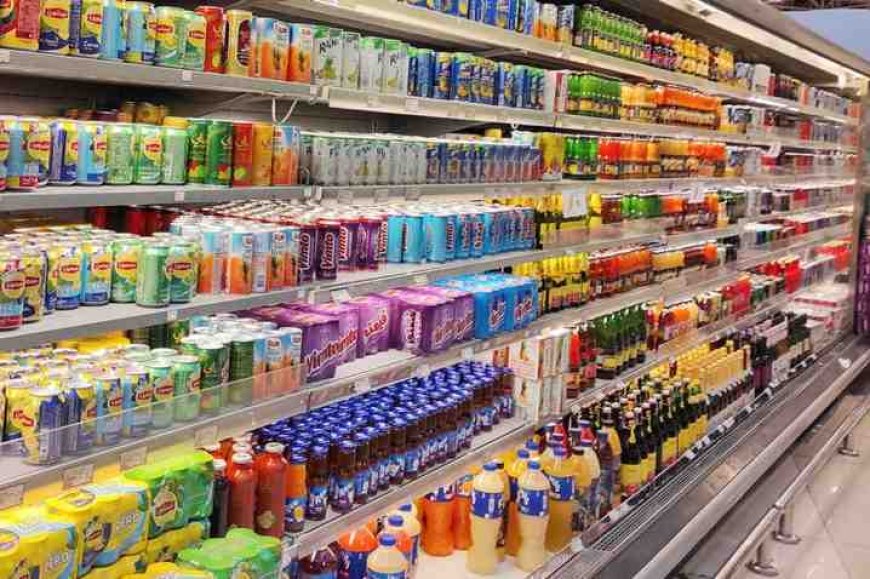
Saudi Arabia's New Sugar Tax 2026: 4 Tiers to Replace 50% Flat Levy on Drinks
Saudi Arabia has announced a major shift in its fiscal and public health policy, replacing the flat 50% excise tax on sweetened beverages with a new four-tier system based on sugar content, effective January 1, 2026. The move by the Zakat, Tax and Customs Authority (ZATCA) aims to discourage high sugar consumption, encourage product reformulation, and align with coordinated Gulf Cooperation Council (GCC) health initiatives.
New Tiered Tax Structure Based on Sugar Content
The current uniform tax will be replaced by a variable levy that directly ties the tax rate to the amount of sugar per 100 milliliters. The new structure is as follows:
-
Tier 1: 0% Tax – Beverages with no added sugar, containing only artificial sweeteners.
-
Tier 2: Low/No Tax – Drinks with less than 5 grams of sugar per 100ml.
-
Tier 3: Mid-Range Tax – Beverages containing between 5g and 7.99g of sugar per 100ml.
-
Tier 4: Highest Tax – Products with 8g or more of sugar per 100ml, facing the steepest levy.
This graded approach is designed to incentivize consumers to choose healthier, lower-sugar options and push manufacturers to reduce sugar levels in their products.
Scope and Implementation Details
The tax applies broadly to all ready-to-drink sweetened beverages, concentrates, powders, gels, and extracts intended for consumption as drinks. The policy change follows approved amendments to the Executive Regulations of the Excise Tax Law by ZATCA's Board of Directors and will take effect at the start of the 2026 fiscal year.
Aligning Public Health and Economic Goals
The reform is a cornerstone of Saudi Arabia's strategy to combat rising rates of obesity, diabetes, and other non-communicable diseases linked to excessive sugar intake. By making high-sugar drinks more expensive and low-sugar alternatives more affordable, the policy actively steers consumer behavior.
The change also reflects broader GCC coordination, following recommendations by the Gulf Cooperation Council’s Financial and Economic Cooperation Committee. It aligns Saudi Arabia with neighbors like the United Arab Emirates, which is implementing a similar sugar-content-based tax from 2026.
Impact on Industry and Consumers
For Manufacturers & Importers: Companies face clear financial incentives to reformulate products to lower sugar content and reduce tax liability. This may involve revising recipes, accurately labeling sugar content, and adjusting pricing and portfolio strategies.
For Consumers: Shoppers will likely see price shifts at checkout. High-sugar drinks (Tier 4) may become significantly more expensive, while sugar-free and low-sugar beverages (Tiers 1 & 2) could become relatively more affordable, changing purchasing patterns.
Conclusion: A Strategic Shift for Healthier Futures
Saudi Arabia's move to a sugar-content-based excise tax marks a significant evolution in using fiscal policy to promote public health. By directly linking tax to sugar levels, the Kingdom is taking a targeted approach to reduce national sugar consumption. This policy is poised to influence industry formulation practices, consumer choice, and long-term health outcomes, supporting the broader wellness goals of Saudi Vision 2030.