






















Growing Alarm in India as Pakistan, Saudi Arabia & Türkiye Move Toward New Defence Alliance
Pakistan, Saudi Arabia & Türkiye finalize draft of a trilateral defence pact, an "Islamic NATO." Analysis of its strategic drivers, global implications for US, India, Iran & the challenges ahead.

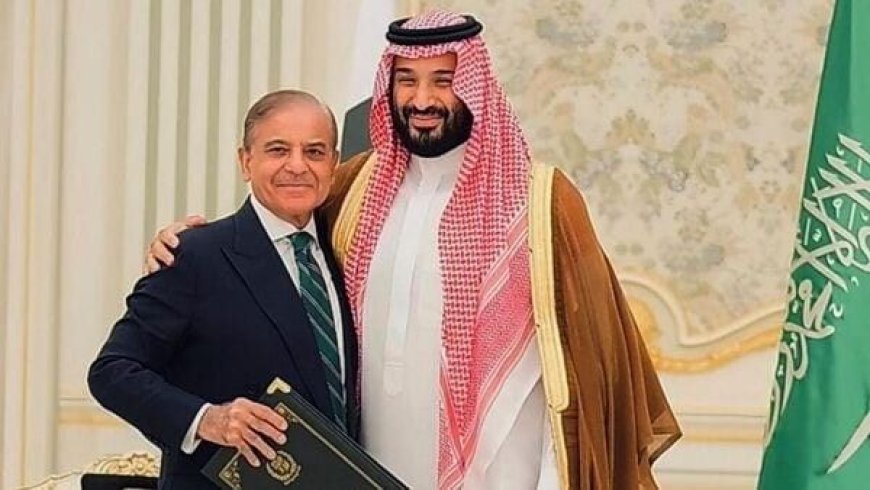
Trilateral Defence Pact Advances: Pakistan, Saudi Arabia, Türkiye Draft "Islamic NATO" Agreement
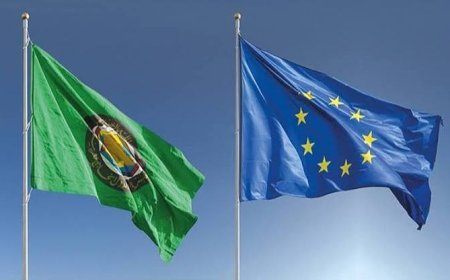
A landmark trilateral defence pact between Pakistan, Saudi Arabia, and Türkiye is moving closer to reality, with a formal draft agreement now under final review. This potential alliance, widely dubbed an "Islamic NATO," promises to reshape the security architecture of West and South Asia, signaling a decisive shift towards regional powers crafting their own collective defence framework.
From Bilateral to Trilateral: The Pact's Evolution
The process began with the Saudi-Pakistan Strategic Mutual Defence Agreement (SMDA) signed in September 2025, featuring a core Article 5-style collective defence clause. This bilateral pledge has now been expanded into a trilateral draft, as confirmed by Pakistan’s Defence Production Minister, Raza Hayat Harraj. While Turkish officials acknowledge ongoing talks, they stress that a final consensus and formal signing are still pending.
Strategic Drivers: Why This Alliance is Forming Now
Three key factors are propelling this high-stakes cooperation:
-
Post-US Security Diversification: Perceived unpredictability in traditional Western security guarantees, especially from the United States, is pushing regional players like Saudi Arabia to build independent, multilateral security hedges.
-
Complementary Military Capabilities: The triad combines Saudi financial and diplomatic influence, Pakistan's military manpower and nuclear deterrence, and Türkiye's advanced conventional forces and NATO-member experience.
-
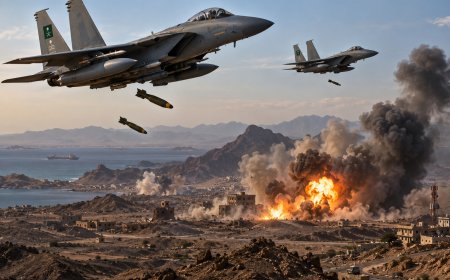
Countering Regional Volatility: Shared concerns over instability from the Iran-Israel shadow war, Houthi threats, and broader Middle East tensions are driving this consolidation for mutual deterrence.
The "Islamic NATO" Analogy and Its Strategic Weight
The "Islamic NATO" label, while unofficial, aptly captures the pact’s potential structure and ethos. It envisions a collective security umbrella led by major Muslim-majority states, operating independently of Western-led blocs. Its formation would mark one of the most significant indigenous defence alignments in the region in decades.
Global Geopolitical Implications: A New Power Center Emerges
The finalization of this pact would have profound ripple effects:
-
For the US & NATO: It challenges the monopoly of Western-led security architectures in the Middle East, potentially creating a parallel power center with its own strategic autonomy.
-
For India: It presents a direct strategic complication, solidifying Pakistan's external security guarantees and bringing Türkiye—often critical of India—into a formal defence arrangement with Islamabad. New Delhi will need to recalibrate its diplomacy with both Riyadh and Ankara.
-
For Iran & Israel: A unified Sunni-majority defence bloc, explicitly backed by nuclear-armed Pakistan, would significantly alter their regional threat assessments and military calculations.
Challenges and the Road to Formalization
Despite the advanced draft, hurdles remain. Aligning the three nations' sometimes divergent foreign policies—especially regarding conflicts in Gaza or Syria—requires delicate diplomacy. The pact's specific operational mechanisms, command structures, and the extent of the security guarantee also need clear definition to move from a political statement to a functional alliance.
A Defining Moment for Regional Security
As final deliberations continue, this trilateral framework represents a bold attempt by regional powers to take control of their security destiny. Its eventual signing would not only create a new geopolitical axis but also formally announce the arrival of a post-Western security order in the heart of Asia, compelling every global player to adjust their strategic playbooks.