



























Turkey in Advanced Talks to Join Saudi-Pakistan Defense Pact, Creating "Muslim NATO"
Turkey is in advanced talks to join a Saudi-Pakistan mutual defense pact. The move could reshape regional security, creating a "Muslim NATO" alliance. Read the latest analysis.

Turkey Nears Entry into Saudi-Pakistan Defense Pact, Potentially Forming "Muslim NATO"
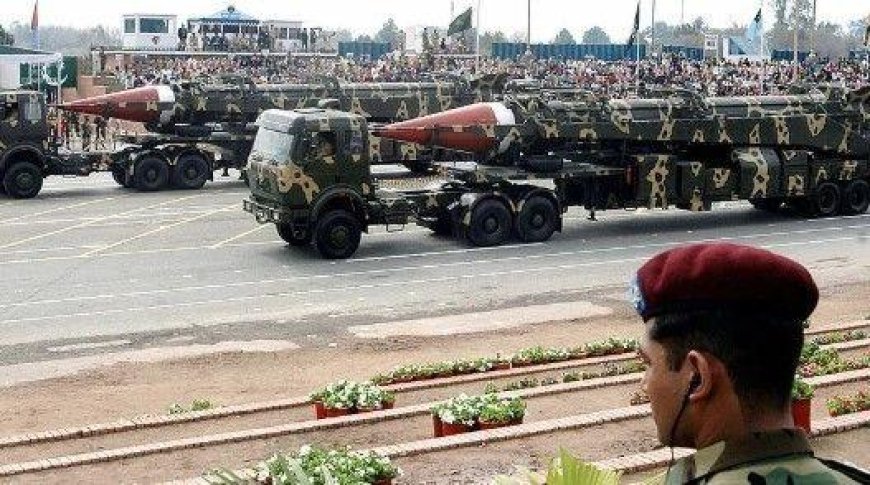
Turkey is in advanced negotiations to join a strategic mutual defense pact between Saudi Arabia and Pakistan, a move that could significantly reshape regional security dynamics. If successful, the alliance would connect a NATO member (Turkey), a wealthy Gulf state, and a nuclear-armed nation (Pakistan), forming a powerful tripartite framework analysts have dubbed a "Muslim NATO."
The Foundation: The Saudi-Pakistan Pact
The Strategic Mutual Defence Agreement (SMDA) between Saudi Arabia and Pakistan was signed in September 2025. Modeled on principles similar to NATO's Article 5, it commits both nations to treat an attack on one as an attack on both, reinforcing their decades-long military partnership.
Turkey's Strategic Motives
According to reports, Turkey views joining the pact as a way to enhance its own security and deterrence, reflecting a broader strategic recalibration. As a NATO member, Ankara's pursuit of this alternative partnership signals a desire for greater strategic autonomy and a hedge against perceived uncertainties in traditional Western alliances, particularly U.S. commitments.
The three nations offer complementary strengths:
-
Saudi Arabia: Financial resources and regional influence.
-
Pakistan: Nuclear capability, substantial manpower, and combat experience.
-
Turkey: A modern, sophisticated defense industry and significant military experience.
Regional and Global Implications
The potential expansion carries major geopolitical weight. A Turkey-Saudi-Pakistan alliance would create a formidable security bloc of key Sunni-majority nations outside traditional Western structures, impacting dynamics in the Middle East, South Asia, and parts of Africa.
The move would likely be viewed with caution by other powers, including the United States, India, and Iran, potentially altering existing regional balances. It represents a tangible step towards building a more resilient, self-reliant security architecture among Muslim-majority nations.
Ongoing Cooperation and the Path Forward
While officials from all three countries have not publicly confirmed the talks, deepening bilateral defense ties suggest a clear trajectory. Turkey and Saudi Arabia recently held their first naval cooperation meeting, and Turkey-Pakistan collaboration already includes joint naval projects and fighter jet upgrades.
Also Read: Saudi Cement Sales Dip in December 2025, But Full-Year Growth Remains Strong at 10%
Conclusion: A New Security Architecture
Turkey's potential accession to the Saudi-Pakistan pact marks a pivotal moment. It reflects a strategic convergence of interests and a shared desire to reduce external dependencies. As talks progress, the world watches a potential new security architecture take shape—one that could redefine alliance politics, deterrence, and defense cooperation across multiple regions for years to come.