



















Arab Federations Back FIFA's Infantino Amid Revolt
Morocco, Qatar, Egypt and three other Arab federations back Gianni Infantino as UEFA and other confederations revolt over his World Cup investment plan.

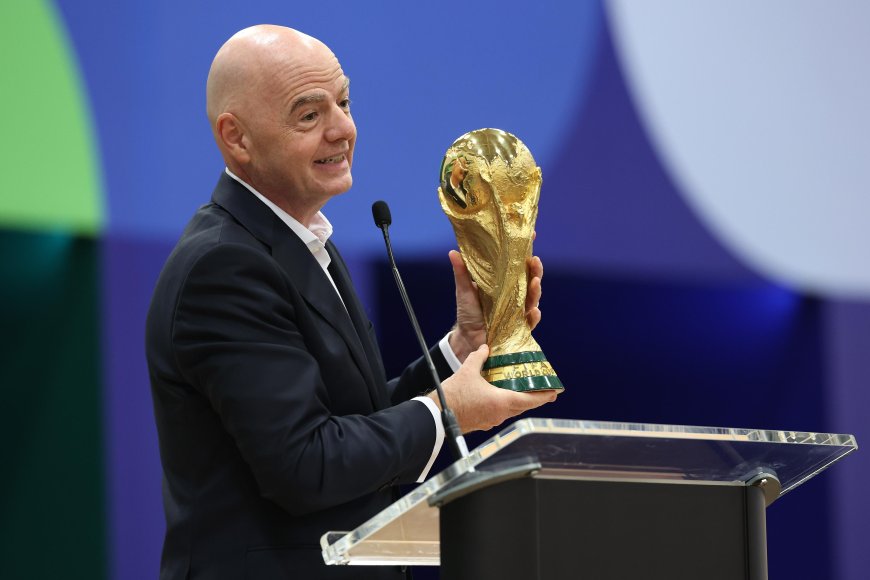
Arab Football Bodies Close Ranks Around Infantino as FIFA Faces Internal Revolt
A growing rift inside world football's governing body deepened this week after six Arab football federations issued a joint statement of support for FIFA president Gianni Infantino, positioning themselves against a coalition of confederations pushing back over his now-abandoned plan to sell stakes in the World Cup to private investors.
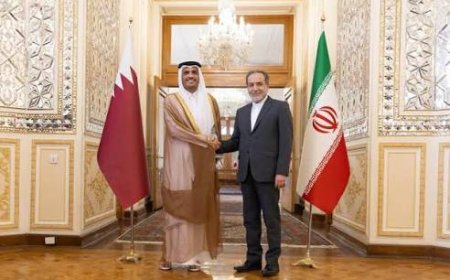
The federations of Morocco, Qatar, Egypt, Mauritania, Lebanon and Sudan expressed what they described as full confidence in Infantino's leadership and his continued commitment to developing football worldwide. Four of the six signatories — representing Qatar, Egypt, Morocco and Mauritania — sit on FIFA's governing council, giving the statement added institutional weight at a moment when Infantino's position looks more precarious than at any point since he took charge of the organization in 2016.
A $20 Billion Plan That Backfired
At the center of the dispute is a proposal, reportedly valued at around $20 billion, that would have brought private equity investors into a stake of World Cup commercial rights. The plan was withdrawn after it triggered an unusually sharp backlash from national federations and continental confederations who said they had not been meaningfully consulted before the idea surfaced.
That backlash escalated further this week when UEFA, European football's governing body, joined forces with CONCACAF and the Asian Football Confederation to issue a joint open letter accusing Infantino's leadership of a serious breach of trust. The three confederations went further still, warning they could not rule out a boycott of FIFA competitions and events if governance concerns were not addressed.
National Federations Peel Away
The pressure has since spread to individual national associations. Ireland's football federation announced it was withdrawing its support for Infantino's expected re-election bid in March, citing unresolved concerns about transparency and the lack of proper consultation on major decisions. That followed similar moves by the federations representing England and Wales the previous week, while Northern Ireland's association said it was aligning itself with UEFA's broader position.
The dispute has exposed unusually visible fault lines within regional confederations themselves. By throwing their support behind Infantino, Qatar and Lebanon found themselves publicly at odds with the Asian Football Confederation, their own parent body, which had co-signed the critical letter alongside UEFA and CONCACAF. Infantino's own social media channels have highlighted messages of support from federations including Morocco, Qatar and the United Arab Emirates in recent days, part of what appears to be a coordinated effort to demonstrate continued backing ahead of the November deadline for any rival candidates to enter the presidential race.
Why the Region Matters
The Gulf and wider Arab football world have become increasingly central to FIFA's commercial and political calculations in recent years, from Qatar's hosting of the 2022 World Cup to Saudi Arabia's staging of the 2034 tournament and Morocco's role as co-host of the expanded 2030 edition alongside Spain and Portugal. That growing influence helps explain why the region's federations carry outsized weight in any leadership contest, and why their public alignment with Infantino is being read as a significant, if not decisive, marker in the unfolding power struggle.
For now, Infantino appears to be heading toward an unopposed re-election in March, with the deadline for challengers to formally enter the race set for mid-November. Whether the current wave of institutional support from Arab federations is enough to quiet the broader governance concerns raised by UEFA and its allies remains to be seen, particularly if further national associations follow England, Wales and Ireland in publicly distancing themselves from his leadership.
What Happens Next
Football governance disputes of this scale rarely resolve quickly, and this one looks unlikely to be an exception. With continental confederations openly split and a presidential election looming, the coming months are likely to bring further statements, alliances and counter-alliances as federations position themselves ahead of the vote. For fans and stakeholders across the Arab world, the episode is a reminder of how deeply intertwined regional football politics has become with the sport's global governance — and how much is riding on the outcome for the next cycle of World Cup planning.
Next Article