

















Saudi Economy Contracts 4.8% in Second Quarter as Oil Output Slumps
Saudi Arabia's GDP fell 4.8% year-on-year in Q2 2026 as oil output dropped, even as the IMF holds its 2026 growth forecast steady.

Saudi Arabia's Economy Shrinks for the First Time Since 2023
Saudi Arabia's economy shrank in the second quarter of 2026, marking its steepest quarterly downturn in three years and offering the clearest sign yet of how months of regional conflict have weighed on the Kingdom's oil-dependent growth engine.
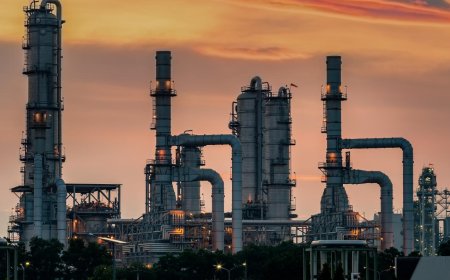
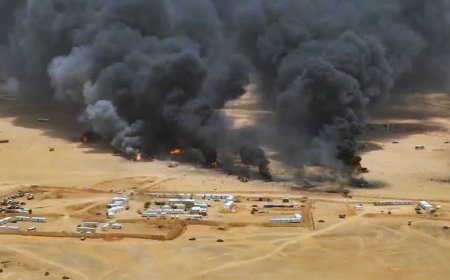
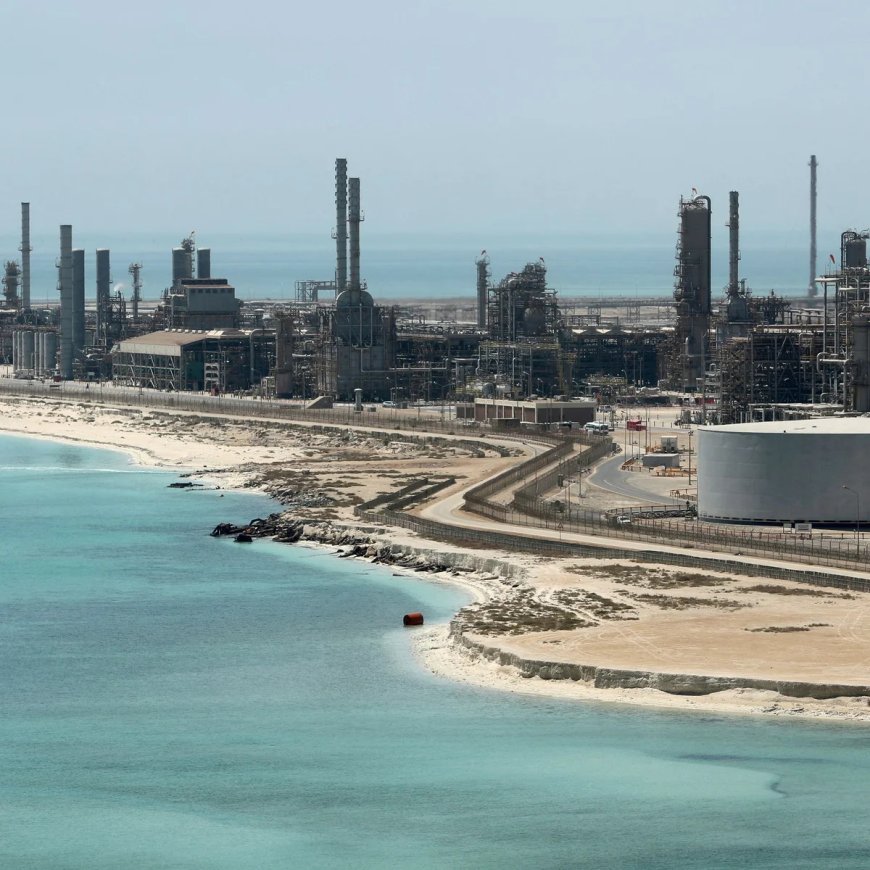
According to preliminary figures released by the General Authority for Statistics, real gross domestic product fell by roughly 4.8 percent compared with the same period last year. The decline was driven almost entirely by a sharp pullback in oil-sector activity, which contracted by about a quarter as Saudi Aramco scaled back production following renewed disruptions along the Strait of Hormuz, the critical waterway through which much of the Gulf's crude exports normally flow.
Oil Output Bears the Brunt
Unlike measures that track revenue, real GDP strips out the effect of rising crude prices and instead reflects the physical volume of oil pumped and exported. That distinction matters this quarter: while benchmark oil prices have actually climbed since the start of the year, the volume of crude leaving Saudi shores has fallen sharply, more than offsetting any price-driven gains.
The renewed closure of the strait, combined with intermittent Houthi threats to Red Sea shipping lanes used for Saudi exports, forced Aramco to trim output during what analysts describe as the most intense stretch of the broader regional conflict. The second quarter of the year captured the bulk of that disruption, which is why economists expect the numbers to represent something of a low point rather than the start of a longer slide.
A Cautiously Steady Outlook
Notably, the downturn arrived within days of an unrelated but symbolically important assessment from the International Monetary Fund, which praised the Kingdom's economic agility in the face of sustained hostilities even as it acknowledged the toll on output. The Fund has held its full-year growth forecast for Saudi Arabia at around 1.7 percent, supported by an expected 2.7 percent expansion in the non-oil economy — the sectors Vision 2030 reforms have spent nearly a decade trying to build up.
Fund officials noted that higher global oil prices should help cushion the blow from lower export volumes, though they cautioned that the overall outlook remains highly uncertain, with risks still skewed to the downside given the fragility of the ceasefire arrangements across the region.
Private-sector economists have been somewhat more circumspect. Analysts tracking the Gulf region suggested the second-quarter figures likely capture the worst of the conflict's economic damage, since a large share of the most intense fighting fell within that window. Even so, they flagged that the renewed closure of the Strait of Hormuz and continued Houthi threats to Saudi Red Sea exports mean the recovery path is likely to remain bumpy rather than smooth. Some forecasts now point to roughly flat growth for the year as a whole, a marked downgrade from the more optimistic projections circulating before the conflict escalated.
Non-Oil Sectors Offer a Buffer
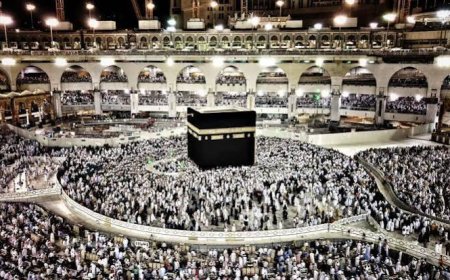
What has kept the headline numbers from looking even worse is the relative resilience of Saudi Arabia's non-oil economy. Tourism, retail, construction tied to giga-projects, and financial services have all continued to function, even if at a slower pace than planners had hoped. Domestic tourism in particular has held up reasonably well despite the hostilities, according to industry observers, with pilgrimage-related travel to Mecca and Medina continuing largely uninterrupted.
That resilience underscores the strategic logic behind Vision 2030's diversification push: an economy less tethered to oil volumes is, by definition, less exposed to the kind of supply disruption that has hit the Kingdom this year. Still, with oil still accounting for a substantial share of government revenue, a prolonged period of reduced output inevitably strains the state budget, which had already been projected to run a deficit of roughly $44 billion this year even before the latest disruptions.
What Comes Next
Much now hinges on how durable the current period of relative calm proves to be. Saudi officials have consistently framed the Kingdom's economic strategy as a long-term project that can absorb short-term shocks, pointing to continued investment in infrastructure, logistics, and non-oil industries as evidence that the fundamentals remain intact.
For now, though, the second-quarter contraction serves as a stark reminder of how quickly geopolitical events can ripple through even a well-diversified economy when oil still sits at its core. Whether the third quarter shows the beginnings of a rebound — as some economists tentatively expect — will be closely watched by investors, ratings agencies, and Gulf policymakers alike as a signal of how quickly the region can return to a more stable growth trajectory.
Next Article