
























Saudi Fintech Loans to Industry Jump 130% in 2026
Saudi fintech lending to industrial projects hit a record $144 million in H1 2026, up 130%, as the Kingdom expands alternative financing for manufacturers.

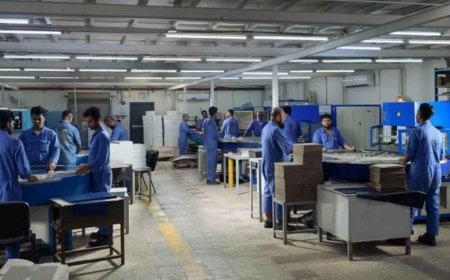
Saudi Arabia's push to diversify how its industrial sector gets funded is paying off in dramatic fashion. Financing extended by fintech companies to industrial projects surged 130 percent in the first half of 2026, climbing to a record SR541 million, or roughly $144 million, according to figures released by the Ministry of Industry and Mineral Resources. The jump compares with SR234 million in financing recorded over the same period last year, marking one of the sharpest increases the sector has seen in recent memory.
The figures offer a clear signal that alternative lending channels are becoming an increasingly central part of how Saudi manufacturers access capital, supplementing — and in some cases replacing — the traditional bank financing that industrial firms have historically relied upon.
A Widening Circle of Fintech Partners
Behind the surge lies a deliberate expansion strategy. The Ministry of Industry has more than doubled the number of fintech companies it partners with, growing from just three firms in the first half of 2025 to seven today. The current roster of partners includes Tameed, Tarmeez Finance, Dinar, Forus, Yanal, Sukuk and Lendo — a mix of established and newer players in the Kingdom's rapidly maturing fintech landscape.
In an official statement, the ministry framed the expanded partnerships as a direct response to financing challenges faced by industrial establishments, describing the goal as connecting manufacturers with flexible and innovative credit solutions capable of supporting continuous production. The financing products on offer span working-capital loans, invoice financing, and dedicated funding streams for companies looking to expand existing industrial projects.
Part of a Broader Vision 2030 Strategy
The initiative sits squarely within the Kingdom's Vision 2030 economic diversification agenda, which has consistently emphasized strengthening domestic industry as a pillar of long-term growth. For years, Saudi policymakers have identified access to financing — particularly for small and mid-sized manufacturers — as one of the persistent bottlenecks limiting the sector's expansion. The rapid scale-up in fintech lending appears designed to directly address that gap.
To support the shift, the ministry has taken a hands-on role beyond simply brokering partnerships. It has organized workshops for entrepreneurs and industrial investors aimed at raising awareness of the financing solutions now available through fintech providers and explaining practical steps for accessing them. The ministry has also shared its internal factory database with financing providers, a move intended to help industrial companies connect more efficiently with financial resources tailored to their specific operational needs.
A Multi-Year Growth Trajectory
The first-half 2026 numbers extend a trend that has been building steadily for several years. Fintech financing directed toward Saudi Arabia's industrial sector reached SR774 million across the whole of 2025, itself a 36 percent increase over the SR569 million recorded in 2024, which in turn had climbed from SR317 million in 2023. Viewed against that backdrop, the pace of growth in just the first six months of 2026 is especially notable: the H1 figure alone already represents roughly 70 percent of the entire financing total recorded for all of last year.
That trajectory suggests fintech lending to Saudi industry could comfortably surpass last year's full-year total well before 2026 draws to a close, assuming current momentum holds.
Regulators Building the Next Layer of Infrastructure
The ministry has signaled that this expansion is far from finished. It has previously announced plans to further grow its industrial lending portfolio, introduce new financial instruments better suited to the sector's evolving needs, and continue widening the pool of fintech partners and beneficiary companies.
Saudi regulators appear to be moving in step with that ambition. The Saudi Central Bank, known as SAMA, said this week that it is seeking public feedback on draft rules governing supply-chain finance and supply-chain finance intermediation. The proposed regulatory framework is designed to support continued growth in the sector while improving the efficiency of financial transactions between businesses and their merchant networks — a foundational piece of infrastructure that could further accelerate fintech-driven lending in the years ahead.
What It Means for Saudi Manufacturers
For industrial operators across the Kingdom, particularly smaller manufacturers that have historically struggled to secure traditional bank credit, the rapid growth in fintech financing options represents a meaningful shift in the funding landscape. Faster approval processes, more flexible repayment structures, and financing products tailored to specific operational needs — such as invoice financing for firms awaiting payment from large clients — are increasingly available through channels that simply did not exist at this scale even two years ago.
As Saudi Arabia continues working to position its industrial base as a genuine pillar of non-oil economic growth, the explosive rise in fintech-backed lending suggests the Kingdom's financing ecosystem is evolving just as quickly as the factories and production lines it is designed to support.