
























Saudi Defense Pact With Turkiye, Pakistan Reshapes Gulf
Saudi Arabia's new collective-defense agreement with Turkiye and Pakistan marks a major shift in Gulf security as tensions with Iran-backed Houthi forces escalate.

A New Chapter in Gulf Security
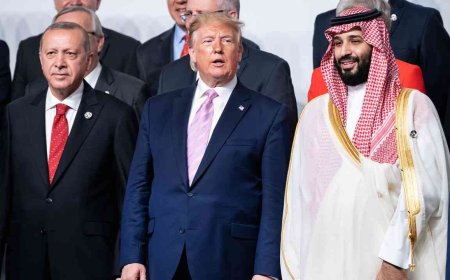
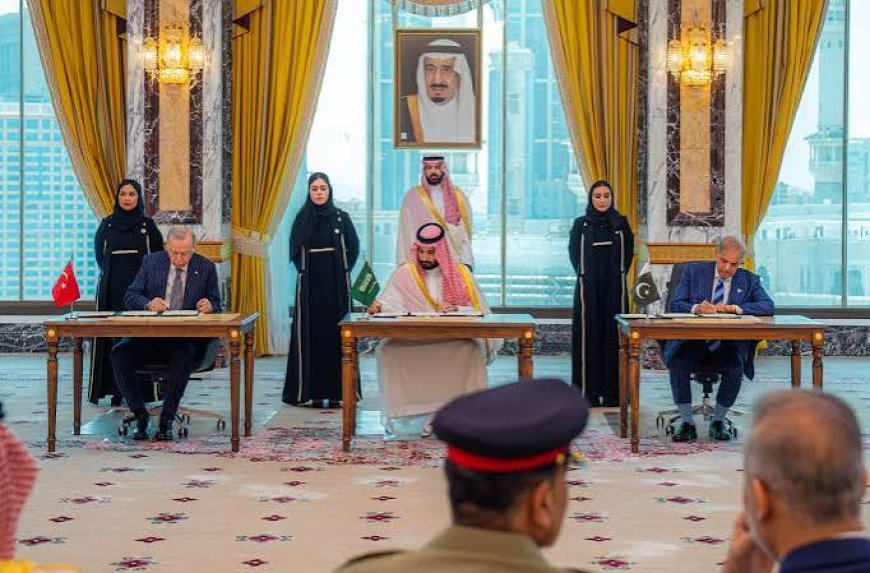
Saudi Arabia has entered a landmark defense understanding with Turkiye and Pakistan, formally uniting three of the Muslim world's most capable militaries under a single collective-security framework. The agreement, signed earlier this month in Mecca, arrives at a moment when the Kingdom is contending with a renewed wave of cross-border attacks launched from Yemen, and it marks one of the most consequential shifts in regional alliance-building in recent years.
For decades, Riyadh's security architecture has leaned heavily on its partnership with Washington. The new pact does not replace that relationship, but it does something notable: it gives Saudi Arabia additional layers of deterrence at a time when the security environment across the Gulf and the wider Middle East has become far less predictable.
Why the Timing Matters
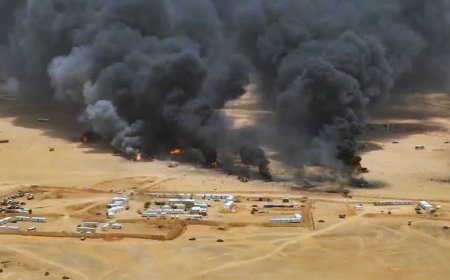
The agreement was finalized against a backdrop of intensifying hostilities between Saudi Arabia and Yemen's Houthi movement, which has stepped up missile and drone strikes on Saudi territory, including on energy infrastructure and military positions near the southern border. Riyadh has spent years trying to avoid being pulled back into full-scale conflict with the group, and the renewed violence has forced a rethink of how the Kingdom protects its people, its economy and its ambitious development plans.
Officials familiar with the discussions say the new framework does not single out any one adversary by name, but regional analysts widely view it as a response to the growing reach of Iran-aligned networks across Yemen, Iraq and the wider Gulf. By deepening formal ties with Turkiye's battle-tested armed forces and Pakistan's nuclear-armed military, Saudi Arabia is signaling that it intends to diversify where its security guarantees come from.
What the Pact Actually Changes
Analysts note that the agreement effectively upgrades what had been a series of loose, longstanding security relationships into something closer to a genuine collective-defense arrangement. In practical terms, that could eventually mean coordinated military planning, intelligence sharing and joint responses to threats against any of the three nations — though the finer operational details are still being worked out.
The move has not gone unnoticed internationally. Some foreign policy commentators argue the pact could reduce Gulf states' dependence on any single outside power, while others caution it risks complicating an already crowded web of regional rivalries. Israel, in particular, is being watched closely for how it may respond, given the shifting balance of military alliances in its neighborhood.
The Houthi Factor
The backdrop to all of this is a conflict that many hoped had been contained. A truce between Saudi Arabia and the Houthis, first reached in 2022, has effectively unraveled over the past several months. Renewed strikes on Saudi energy facilities and border regions have raised fears of a wider escalation, particularly given the group's demonstrated ability to strike deep into Saudi territory with ballistic missiles and long-range drones.
Saudi officials have condemned the recent attacks as attempts to destabilize the Kingdom's economic transformation agenda, which relies heavily on continued investment, tourism growth and infrastructure development under Vision 2030. Protecting that momentum, without becoming entangled in a broader regional war, is widely seen as the central challenge now facing Saudi decision-makers.
A Balancing Act for Riyadh
For the Kingdom, the new alliance represents a calculated hedge. Saudi Arabia continues to invest heavily in its relationship with the United States, but it is simultaneously building out alternative security partnerships that reduce its exposure to any single point of failure. Turkiye brings drone technology and a large standing army with recent combat experience; Pakistan brings nuclear deterrence and one of the world's largest professional militaries.
Gulf Cooperation Council officials have publicly backed Saudi Arabia's right to defend itself, describing recent attacks on Saudi territory as attacks on regional stability more broadly. Whether the new pact translates into a durable deterrent, or simply adds another layer of complexity to an already volatile regional map, will likely become clearer in the weeks ahead as both the Houthi campaign and diplomatic responses continue to evolve.
For now, the message from Riyadh is unambiguous: the Kingdom is no longer willing to rely on a single security guarantor, and it is actively reshaping its alliances to match a rapidly changing regional reality.
Next Article