

























Saudi Arabia Keeps Inflation Among the Lowest in the Gulf at 1.8% in July
Saudi Arabia's inflation rate held at 1.8% in July, one of the lowest readings in the Gulf, as housing and food costs continue to shape household budgets.

Price Stability Continues to Define the Saudi Economy
Saudi Arabia's consumer prices rose by 1.8 percent year-on-year in July, according to newly released figures, keeping the Kingdom firmly among the most price-stable economies in the Gulf Cooperation Council. The reading extends a period of relatively contained inflation that has persisted through much of 2026, even as several neighboring economies have grappled with sharper price pressures tied to global supply chains and regional instability.
For a country whose economic transformation plan depends on attracting long-term investment, tourism and skilled workers, price stability is more than a statistical footnote. It is a signal to businesses and households alike that the broader economy remains on solid footing, even as the wider region navigates heightened geopolitical uncertainty.
What's Driving the Numbers
Housing and rental costs remain the single largest contributor to Saudi Arabia's inflation figure, a trend that has held for several years as demand for housing in major cities like Riyadh and Jeddah continues to outpace new supply in some segments. Rising rents, driven partly by population growth and an influx of workers tied to giga-projects and expanding private sector activity, continue to place upward pressure on the overall index.
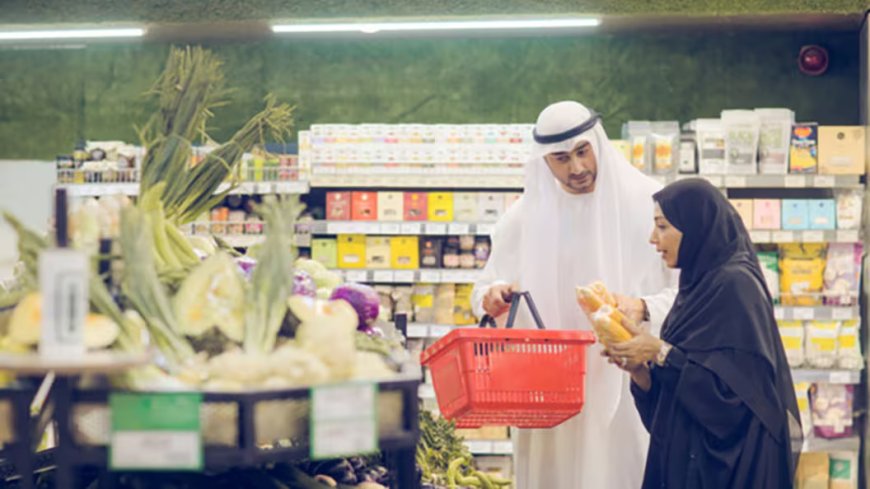
Food prices, by contrast, have remained comparatively subdued, reflecting both government efforts to manage supply chains and the relative insulation of the Saudi market from some of the food-security shocks affecting other parts of the region. Transport costs have also stayed largely in check, aided by domestic fuel pricing policies that shield consumers from some of the volatility seen in global energy markets.
How Saudi Arabia Compares to Its Neighbors
Within the six-member Gulf Cooperation Council, Saudi Arabia's inflation rate continues to sit near the bottom of the pack, a distinction that officials and economists point to as evidence of effective monetary and fiscal coordination. The Saudi riyal's peg to the US dollar plays a central role here, effectively importing a degree of monetary discipline from the US Federal Reserve while limiting currency-driven price swings.
Economists tracking the region note that while some Gulf states have seen inflation creep higher due to import costs and localized housing shortages, Saudi Arabia's combination of subsidized utilities, a stable currency peg and diversified import sources has helped keep headline inflation in a narrow, predictable band for an extended stretch.
The Bigger Economic Picture
The inflation data lands alongside a broader set of positive economic signals for the Kingdom. Saudi Arabia's non-oil sector continues to expand, supported by sustained government spending on infrastructure, entertainment, tourism and technology under the Vision 2030 program. The government's 2026 budget, which factors in a sizable deficit to fund continued investment, reflects a deliberate strategy of prioritizing growth and diversification even as global oil markets remain choppy.
International financial institutions have generally taken a favorable view of the Kingdom's macroeconomic trajectory this year, citing steady growth forecasts and a resilient non-oil economy as reasons for cautious optimism, even as geopolitical risk in the wider region remains elevated.
What It Means for Households and Businesses
For everyday consumers, a stable inflation rate translates into more predictable household budgeting, particularly for essentials like food and transport. For businesses, it offers a more reliable planning environment, which matters considerably for companies making long-term investment decisions tied to the Kingdom's various giga-projects and diversification initiatives.
That said, the housing cost pressure remains a genuine concern for many residents, particularly in rapidly growing urban centers where rental demand continues to climb. Addressing that imbalance — through expanded housing supply and continued urban development — is likely to remain a key policy focus in the months ahead, even as the Kingdom's overall price environment stays comparatively calm.
As the year progresses, analysts will be watching closely to see whether this pattern of contained inflation holds, particularly given the potential for regional security developments to ripple through shipping costs, energy markets and broader consumer confidence across the Gulf.
Next Article