

























Oil Prices Fall as US Rolls Out New Iran Sanctions
Crude prices dropped Monday as the US unveiled a sweeping new sanctions package targeting Iran, even as Strait of Hormuz tanker traffic shows signs of recovery.

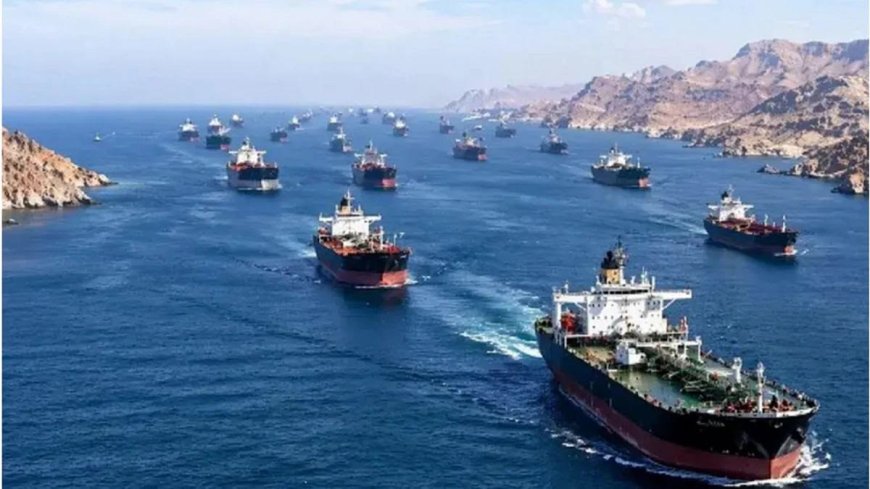
Global crude prices retreated on Monday as the United States formally rolled out what officials have billed as the toughest sanctions package ever imposed on Iran, even as early signs pointed to a gradual recovery in tanker traffic through the strategically vital Strait of Hormuz. The decline reflected a market caught between competing forces: renewed pressure on Tehran's oil exports on one hand, and tentative evidence of improving regional supply flows on the other.
West Texas Intermediate futures, the US benchmark, fell around 1.6 percent to settle near  93.09 a barrel. The moves came ahead of a formal announcement from US Treasury Secretary Scott Bessent, who described the incoming measures in stark terms, characterising them as an unprecedented financial offensive aimed squarely at Tehran's economy.
A New Phase of Economic Pressure
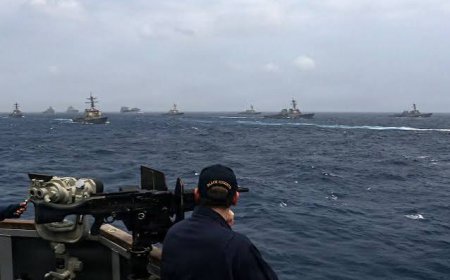
The sanctions rollout marks the latest escalation in a broader US strategy that has increasingly relied on economic rather than direct military pressure to constrain Iran following months of regional conflict tied to disruptions in the Strait of Hormuz. Bessent has previously indicated that the shift toward economic measures reflects a calculated approach, suggesting that intensified financial pressure could reduce the likelihood of a return to large-scale combat operations even as Washington maintains a firm stance toward Tehran.
Iranian officials, for their part, have publicly dismissed the threat of intensified sanctions, framing the latest measures as unlikely to meaningfully alter the country's economic trajectory. That defiance, however, has done little to calm market nerves, with traders continuing to monitor both the practical implementation of the sanctions and Iran's potential response, particularly given the country's past willingness to leverage its position along the Hormuz waterway as a point of geopolitical leverage.
Tanker Traffic Shows Tentative Recovery
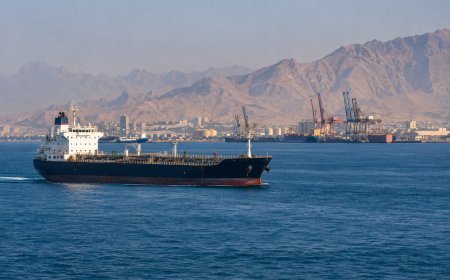
Adding a layer of complexity to Monday's price movements, reports over the weekend indicated that oil shipments from the Middle East had continued flowing despite earlier disruptions tied to Iran's actions around the Strait of Hormuz. White House officials said that roughly 40 tankers passed through the strategic waterway on the preceding Friday alone, using a US-protected corridor running along Oman's coastline. Gulf oil flows, according to these accounts, have rebounded to more than half of pre-conflict levels, offering a modest but meaningful signal that regional supply chains are beginning to stabilise.
Given that the Strait of Hormuz handles a substantial share of the world's seaborne crude exports, any sustained recovery in tanker traffic through the channel carries significant implications for global supply and, by extension, for prices. Analysts at Commonwealth Bank of Australia noted that Brent crude could trade within a wide range of  100 a barrel through the remainder of 2026, with prices more likely to settle toward the lower end of that band if Hormuz traffic continues recovering even modestly. The bank estimated that a return to just 50 to 60 percent of pre-war shipping volumes would be sufficient to revive expectations of a global market moving back toward oversupply.
Broader Economic Signals in Focus
Monday's oil price moves also unfolded against a backdrop of broader US economic data releases scheduled for later in the week. The Bureau of Economic Analysis was due to publish its second estimate of second-quarter GDP growth, following an initial reading that showed the pace of expansion slowing from 2.1 percent year-on-year in the first quarter to 1.5 percent in the second. The Federal Reserve's preferred inflation gauge, the personal consumption expenditures price index, was also expected around the same time, with investors watching closely for signals on the future path of US interest rates.
For oil-exporting Gulf economies, including Saudi Arabia, the interplay between sanctions-driven supply risk and recovering regional shipping volumes presents a delicate balancing act. Lower prices can ease inflationary pressure globally but also weigh on government revenues tied closely to crude exports, a dynamic that continues to shape fiscal planning across the region as the geopolitical picture around Iran and the Strait of Hormuz remains unresolved.
Next Article