


















Saudi GDP Contracts 4.8% in Q2 2026 on Oil Slump
Saudi Arabia's economy shrank 4.8% year-on-year in Q2 2026 as oil activity plunged 24.7%, even as non-oil growth and fiscal revenue held firm, Al Rajhi Capital says.

Steepest Contraction Since the Pandemic
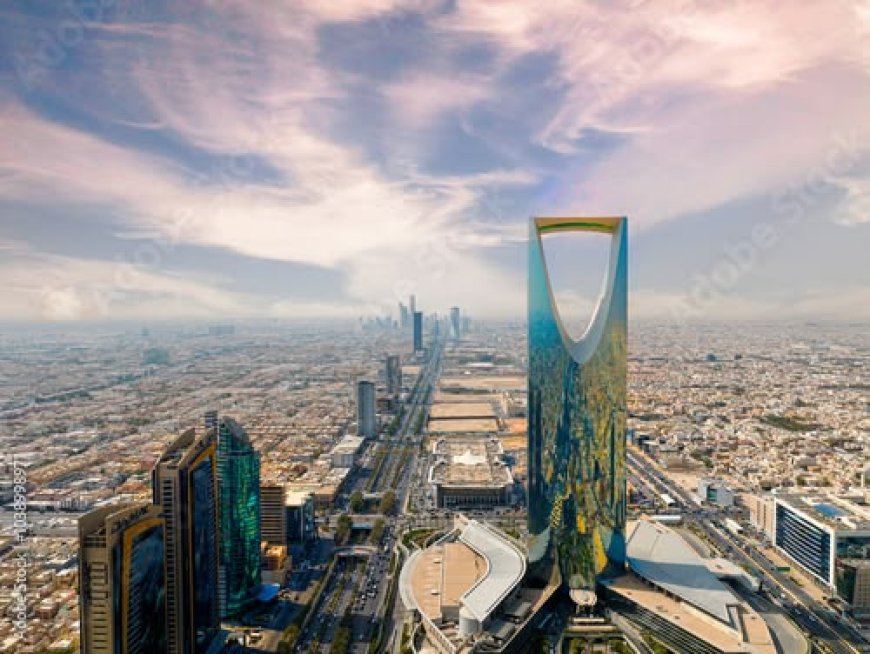
Saudi Arabia's economy contracted by 4.8% year-on-year in the second quarter of 2026, according to flash estimates from the General Authority for Statistics cited by Al Rajhi Capital, one of the kingdom's leading financial groups. The decline marks the sharpest quarterly contraction the kingdom has recorded since the depths of the Covid-19 pandemic, and the first annual downturn since late 2023, reversing a 3% expansion posted just one quarter earlier.
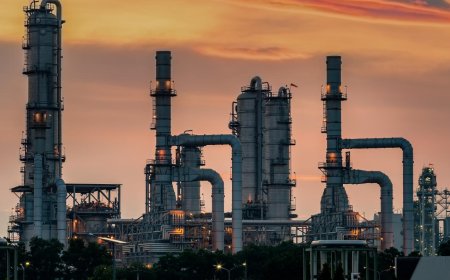
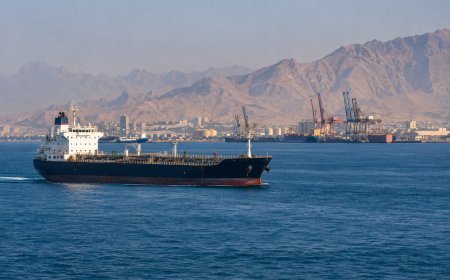
The headline figure was driven almost entirely by a collapse in oil-sector activity, which plunged 24.7% year-on-year and single-handedly stripped more than five percentage points off overall growth. The scale of that drop reflects the ongoing disruption to regional shipping routes, including reduced flows through the Strait of Hormuz amid heightened geopolitical tensions this year, which has forced Saudi Arabia and other Gulf oil exporters to reroute cargoes and adjust production schedules.
Non-Oil Economy Keeps Growing, Just More Slowly
Despite the sharp oil-driven downturn, the picture beyond the energy sector was markedly more resilient. Non-oil activities expanded 0.6% year-on-year in the quarter, while government-related output rose 0.9%, both continuing an unbroken run of growth even as their pace of expansion eased compared with earlier in the year. Combined, these sectors added roughly half a percentage point back to headline growth, cushioning what would otherwise have been an even deeper contraction.
Crude production data offered a more encouraging signal for the months ahead. Saudi crude output climbed 12% month-on-month to 7.4 million barrels per day in July, according to Al Rajhi Capital, suggesting the kingdom has been able to restore some production capacity even as regional shipping risks persist.
Construction and Jobs Data Paint a Mixed Picture
Away from the headline GDP number, several underlying indicators pointed to pockets of strength in the domestic economy. Al Rajhi Capital's Saudi Construction Index climbed to 55.2 in July, its second-highest reading so far this year, powered by continued momentum in infrastructure, residential and non-residential building activity. Infrastructure construction alone reached a year-to-date high, underscoring the continued rollout of large-scale development projects tied to the kingdom's economic transformation agenda.
Labour market figures released alongside the GDP data also showed improvement. The unemployment rate fell to 6.4% in the first quarter of 2026, down from 7.2% in the final quarter of last year, with declines recorded among both male and female jobseekers. On the fiscal side, government revenue rose 12.3% year-on-year to roughly 339 billion riyals in the second quarter, helped by a 22% jump in oil revenue and modest growth in non-oil income, even as government spending also increased at a double-digit pace.
What's Driving the Volatility
Economists tracking the kingdom's finances have pointed to the extended disruption of Gulf shipping routes as the central factor behind the swing from growth to contraction. Forecasts from regional research houses had initially expected shipping conditions through the Strait of Hormuz to begin normalizing by mid-year, but persistent disruptions have pushed that timeline back, with some analysts now projecting continued volatility into the third quarter before a partial recovery later in the year.
Crucially, most analysts covering the kingdom stress that the contraction is concentrated almost entirely in the oil sector rather than reflecting broader economic weakness. Non-oil growth, while slower than earlier in the year, has not turned negative, and government spending has continued to expand — both signs that the diversification push at the heart of Vision 2030 continues to provide a buffer against oil-price and production volatility.
Looking Ahead
International institutions remain cautiously optimistic about the medium-term outlook. The International Monetary Fund has projected Saudi growth of around 1.7% for 2026 as a whole, with a sharper rebound to roughly 5.5% forecast for 2027 as oil production and regional shipping conditions are expected to normalize and non-oil sectors continue expanding at a healthy clip.
For businesses and investors watching the kingdom's economic trajectory, the message from this quarter's data is one of contrast: a painful but largely temporary hit to the oil economy, set against continued — if slower — momentum in the non-oil sectors that Vision 2030 was designed to build up in the first place.