















Saudi Construction Sector Rebounds With SR3tn Pipeline
Saudi Arabia's construction industry is regaining momentum as contract awards rise, foreign firms flock to a giant project pipeline, and copper exploration begins.

Construction Sector Steadies as Saudi Arabia Recalibrates Its Giga-Projects
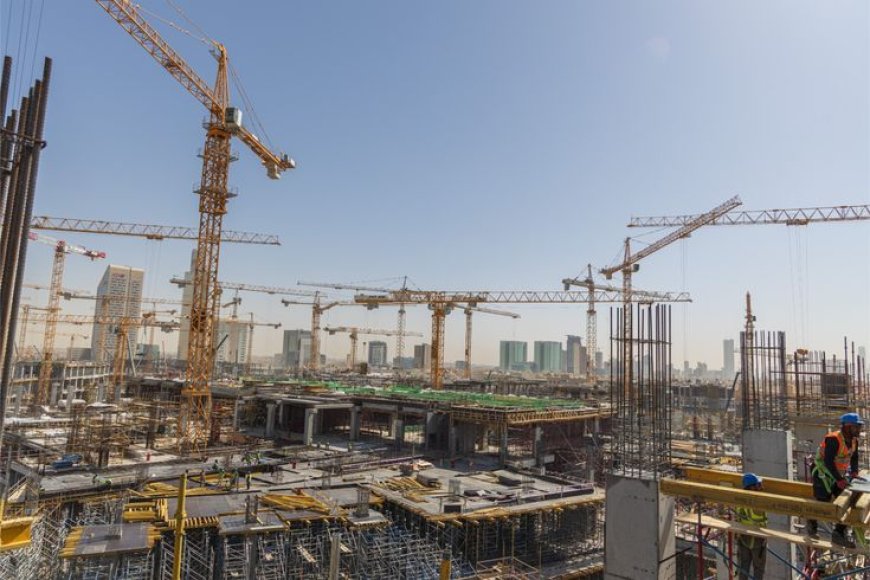
Saudi Arabia's construction industry, which just two years ago was adding staff at a pace of roughly a third year-on-year, has slowed to single-digit headcount growth — yet industry data released Monday suggests the sector may be finding a new, steadier footing as contract awards begin climbing again and giga-projects are reprioritized rather than shelved.
The shift follows a difficult 2025, when the total value of construction contracts issued across the Kingdom fell to less than $30 billion, according to industry bodies — a drop of almost 60 percent from 2024. That contraction was driven largely by budget cutbacks at the Public Investment Fund and a broader reprioritization of which giga-projects would move forward first, as planners weighed financing costs against delivery timelines.
From Retrenchment to Recovery
Analysts tracking the sector say the slowdown in hiring does not necessarily signal weakness so much as a maturing market. Early giga-project phases required enormous surges in labor to establish sites, infrastructure and initial construction; as projects move into more specialized build-out stages, headcount growth naturally moderates even as contract values recover.
That recovery appears to be underway. Contract awards are climbing again, and several giga-projects that were paused or restructured during the reprioritization process are being reactivated on revised timelines. The overall pipeline remains vast: more than 1,648 foreign contractors are now competing for a project pipeline valued at roughly SR3 trillion, a scale that continues to draw international construction and engineering firms despite the earlier pullback.
Riyadh's Office Market Signals Confidence
One of the clearest signs of sustained investor confidence is the office market in Riyadh, where occupancy reached 97 percent in the second quarter of 2026. The city's Regional Headquarters programme, designed to attract multinational firms to base their Middle East operations in the capital, has now licensed more than 780 companies — well beyond its original target of 500 firms by 2030, a milestone reached years ahead of schedule.
That influx of corporate activity is closely tied to the broader financing picture. The Public Investment Fund has lined up as much as $24.5 billion in financing from US EXIM Bank, the International Finance Corporation and the Multilateral Investment Guarantee Agency, capital that is expected to support both giga-project delivery and the wider industrial base needed to sustain it.
A New Frontier: Copper Exploration
Beyond real estate and construction, the Kingdom is also opening a new chapter in resource development. Saudi Aramco and mining group Ma'aden have signed a shareholders' agreement to create a joint venture that will explore roughly 182,000 square kilometers of Saudi territory for copper and other minerals critical to the global energy transition — an area representing close to 10 percent of the Kingdom's total land mass, running along a 100-kilometer-wide corridor parallel to the Arabian Shield.
The venture reflects Saudi Arabia's broader ambition to become a serious player in critical minerals, a sector seen as complementary to its existing strengths in energy and increasingly important as global demand for copper, used extensively in renewable energy infrastructure and electric vehicles, continues to rise.
Digital Infrastructure Adds Another Layer
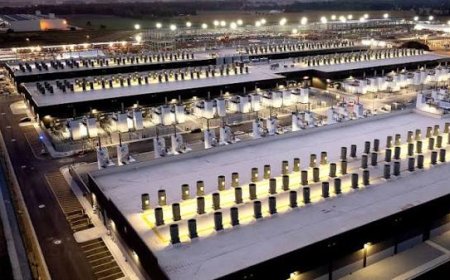
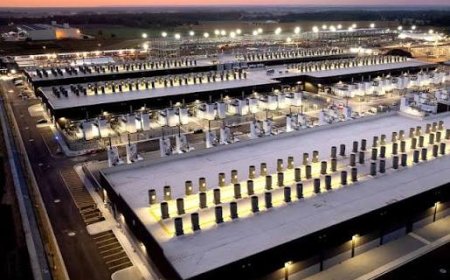
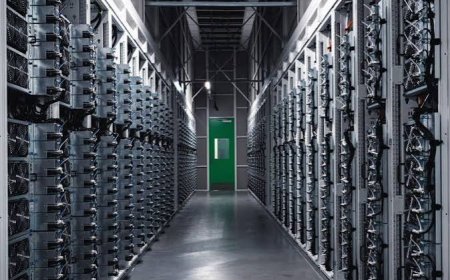
Construction activity is not confined to roads, hotels and residential towers. Saudi Arabia's data centre capacity has passed 467 megawatts as of the first quarter of 2026, up from just 68 megawatts in 2021 — nearly a sevenfold increase in five years. Investment in data centres and digital infrastructure now exceeds SR56.2 billion, including an SR11 billion partnership between HUMAIN, the Kingdom's national AI company, and asset manager Blackstone. Oracle, Alibaba Cloud and Google Cloud all now operate facilities in the Kingdom, reinforcing Riyadh's ambitions to become a regional hub for cloud and AI infrastructure.
Financing Gap Remains a Challenge
Despite the more encouraging headline numbers, consultants at Alvarez & Marsal estimate the Kingdom's announced project pipeline still requires roughly $42 billion in additional financing through 2030, the bulk of it expected to come from debt markets rather than equity. That financing gap underscores why foreign capital, and international contractors willing to compete for a share of the SR3 trillion pipeline, remain central to Saudi Arabia's ability to deliver its Vision 2030 ambitions on schedule.
Taken together, the data paints a picture of an economy recalibrating rather than retreating: a construction sector that pulled back sharply in 2025 but is now regaining momentum, underpinned by record office occupancy, an expanding minerals sector, and a digital infrastructure build-out that shows little sign of slowing.