



























Oil Prices Climb Toward $90 as Red Sea Attacks Cloud Hormuz Outlook
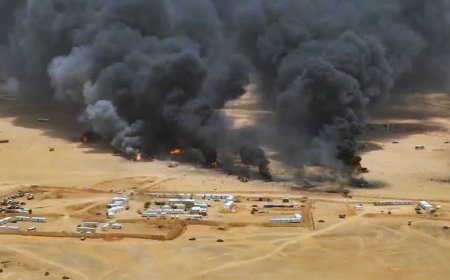
Brent crude has climbed sharply, edging close to $90 a barrel, after fresh attacks on shipping in the Red Sea and continued uncertainty over the Strait of Hormuz dampened hopes for a near-term easing of the region's energy crisis. Analysts warn prices could remain elevated well into next year.

Crude Prices Push Higher on Renewed Middle East Jitters
Global oil markets moved sharply higher this week, with Brent crude climbing more than two percent to trade close to $90 a barrel, as fresh attacks on commercial shipping in the Red Sea undercut optimism that a breakthrough on reopening the Strait of Hormuz might be close at hand. The latest gains extend a volatile run for energy markets that has seen prices swing dramatically in recent weeks in response to shifting diplomatic signals.
Futures contracts for October delivery were trading at roughly $89.50 a barrel, marking an increase of close to a quarter compared with levels seen before the outbreak of the broader US-Israel conflict with Iran late last February. That trajectory underscores just how significantly the standoff has reshaped the global energy landscape over the past six months.
Two Chokepoints, One Crisis
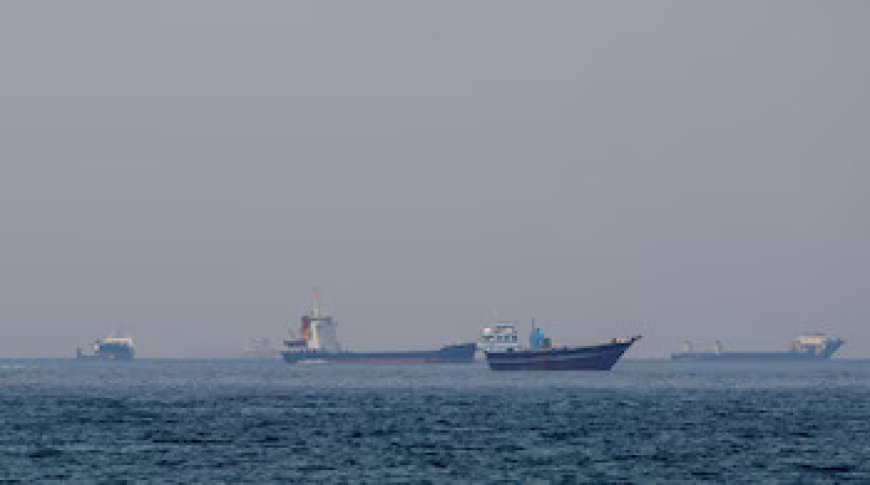
The renewed price pressure reflects growing anxiety over not one but two critical maritime corridors. The Strait of Hormuz, which historically carried around a fifth of the world's oil supply, has remained largely paralysed for months, forcing Gulf producers such as Saudi Arabia to reroute exports through the Red Sea and the Bab Al-Mandeb Strait instead. Now, with that alternative route also coming under direct attack, traders are recalibrating expectations for how quickly regional oil flows might normalise.
Industry estimates suggest that volumes moving through Hormuz have fallen dramatically compared with pre-conflict levels, while flows through Bab Al-Mandeb have simultaneously increased as Gulf exporters lean more heavily on the Red Sea route. That shift has effectively transferred risk from one chokepoint to another rather than eliminating it, leaving markets exposed regardless of which corridor comes under threat on any given day.
What Analysts Are Saying
Energy analysts monitoring the situation have described a market caught between fading confidence in a swift diplomatic resolution and persistent hope that mediators can still deliver at least a partial agreement. Forecasts from major energy bodies suggest that regional oil production is unlikely to return to anything resembling pre-conflict levels before early next year, with Brent expected to average somewhere in the high $80s over the coming months if current disruptions persist.
Some market watchers have gone further, suggesting that a renewed flare-up around Hormuz could push Brent back toward the $100 mark, a level not seen consistently since earlier phases of the conflict. Much will depend on whether ongoing talks between Iran, Oman and the United States can produce a durable arrangement, or whether the current cycle of attack and counter-attack continues to erode confidence in any near-term resolution.
The View From Riyadh
For Saudi Arabia, elevated but volatile oil prices present a complicated picture. Higher crude prices offer some fiscal relief for a kingdom that has been running a budget deficit amid heavy government spending on economic diversification projects under Vision 2030. At the same time, the underlying instability driving those higher prices — disrupted shipping lanes, damaged infrastructure, and the constant threat of further attacks — creates significant operational and reputational risks for the kingdom's energy sector.
Saudi Arabia has already had to adjust its export logistics substantially since the conflict began, redirecting flows through its East-West pipeline to Red Sea ports such as Yanbu specifically to avoid Hormuz. The latest attacks on Red Sea shipping complicate that strategy, raising the prospect of further rerouting, higher insurance costs, and continued pressure on the kingdom's non-oil economic diversification efforts.
Broader Economic Ripple Effects
The disruption to global oil flows has not been confined to energy markets alone. Elevated crude prices have contributed to rising costs across a range of sectors, from shipping and logistics to agriculture, with global food price indices also climbing in recent months amid related disruptions to Black Sea grain shipments and extreme weather affecting crop yields. Analysts note that sustained high energy costs tend to filter through into broader inflationary pressure, a dynamic that policymakers across the Gulf and beyond are watching closely.
What to Watch Next
With diplomatic talks ongoing and a key deadline on a US-Iran memorandum approaching within days, oil markets are likely to remain highly sensitive to headlines in the coming week. Traders will be watching closely for any formal announcement on a Hormuz arrangement between Iran and Oman, as well as for further developments regarding the safety of shipping through the Red Sea following this week's deadly attack near Bab Al-Mandeb.
Until a clearer picture emerges, energy analysts broadly agree that volatility — rather than any settled trend in either direction — is likely to remain the defining feature of global oil markets for the foreseeable future.