























Mediators Race to Save US-Iran Talks as Strait of Hormuz Deadline Looms
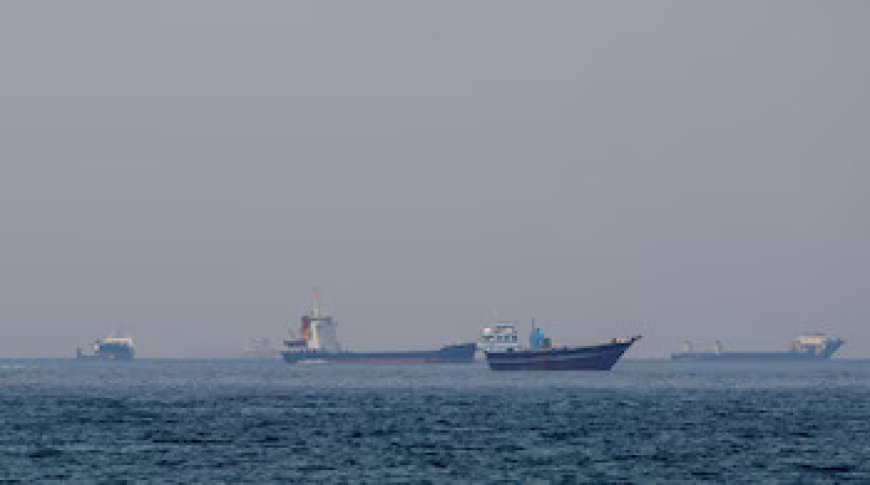
Pakistan and other regional mediators are pushing to revive US-Iran negotiations as a 60-day memorandum deadline approaches, with the Strait of Hormuz still largely paralysed.

A Deadline That Could Reshape the Region
Diplomats across the Gulf are working against the clock as a critical deadline tied to a US-Iran memorandum of understanding approaches this weekend. The document, agreed upon roughly two months ago as a framework for de-escalation, set a 60-day window for both sides to make progress toward reopening the Strait of Hormuz and easing broader hostilities. With that window closing, mediators — most visibly Pakistan — have stepped up efforts to prevent the fragile arrangement from collapsing entirely.
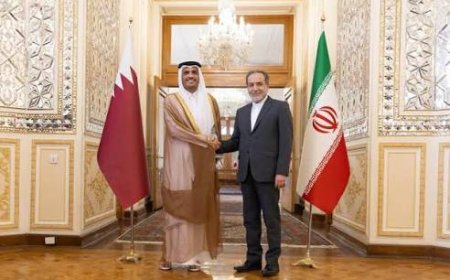
Pakistan's foreign ministry confirmed that its officials are actively working to bring Washington and Tehran back into direct or indirect dialogue, warning that any breakdown in the process could undermine months of painstaking diplomatic groundwork. Pakistan's interior minister travelled to Tehran for consultations with Iranian officials, part of a broader mediation push that has also involved Oman and Qatar at various points over recent weeks.
Conflicting Signals From Washington and Tehran
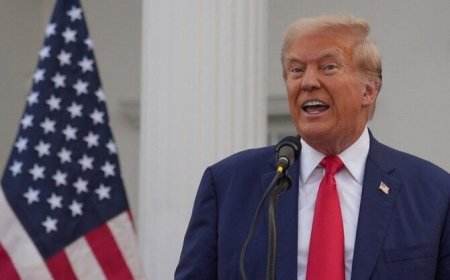
The diplomatic atmosphere has been muddied by conflicting public statements from both sides. The US president recently asserted that the situation with Iran was proceeding smoothly and claimed American forces held full command over the Strait of Hormuz. Iranian officials swiftly rejected that characterisation, insisting that Tehran retains significant control over maritime activity in the waterway and that any claim of total American dominance misrepresents the situation on the ground.
This exchange reflects a broader pattern that has defined the negotiations for weeks: cautious optimism from mediators is frequently punctuated by hardened rhetoric from the primary parties, making it difficult to gauge how close a genuine breakthrough might actually be.
The Oman Channel
Separate from the broader US-Iran track, a more technical negotiation between Iran and Oman over practical arrangements for restoring maritime traffic through Hormuz has reportedly advanced further. Omani officials have described these talks as constructive, though they have also cautioned that continued attacks on vessels transiting the strait risk derailing progress. Iranian officials have said an arrangement with Oman is nearly finalised, but have stressed that a full reopening of the waterway will still depend on broader concessions from Washington, including guarantees over sanctions relief and compensation tied to the conflict.
Why the Strait Still Matters So Much
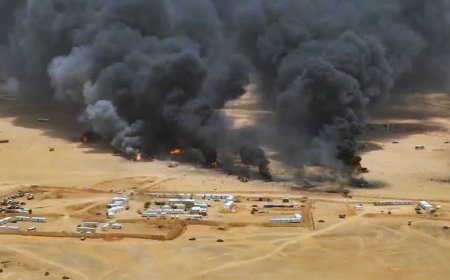
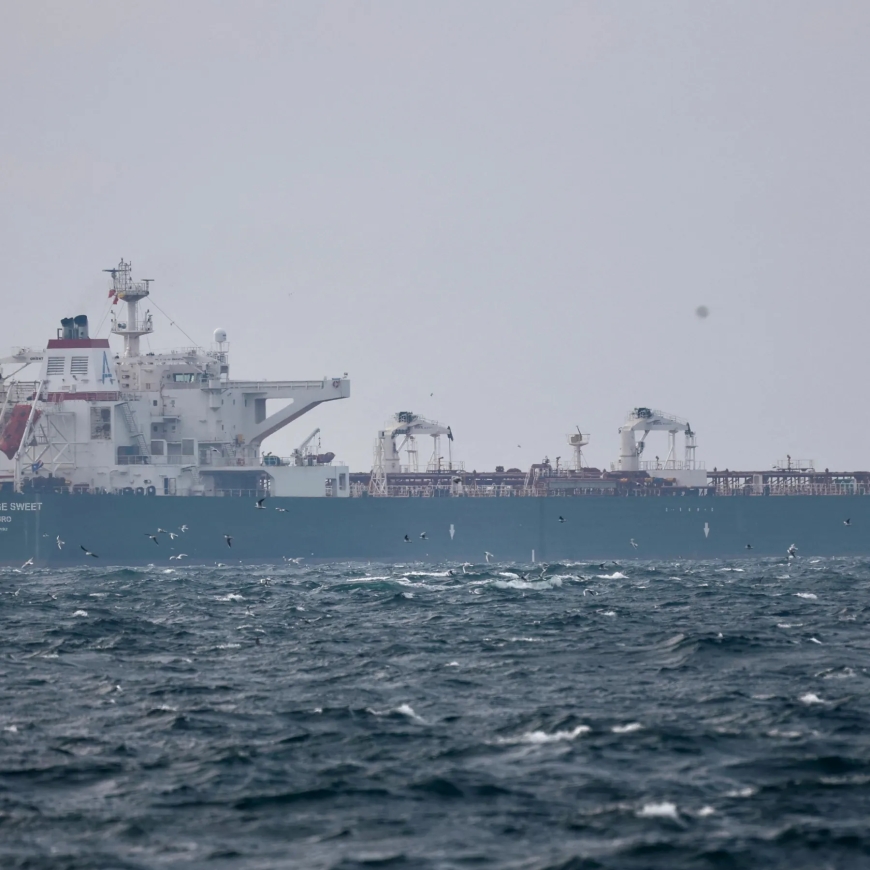
Before the conflict escalated earlier this year, roughly 130 vessels passed through the Strait of Hormuz on a typical day, carrying a substantial share of the world's traded oil. Recent data suggests that traffic has collapsed to a small fraction of that figure, with only a handful of vessels making the crossing on some days. The disruption has forced major Gulf oil producers, including Saudi Arabia, to reroute exports through alternative corridors such as the Red Sea, placing additional strain on those routes and contributing to volatility across global energy markets.
Regional Stakes for Saudi Arabia
For Saudi Arabia, the outcome of the US-Iran talks carries direct economic and security implications. As the world's leading crude exporter, the kingdom has a clear interest in seeing Gulf shipping lanes stabilised and reopened to reduce reliance on costlier, less secure alternative routes. Riyadh has also positioned itself diplomatically alongside regional partners such as Turkiye and Pakistan through a newly signed collective defence pact, reflecting growing unease over the durability of the security guarantees it has traditionally relied upon from Washington.
What Happens if the Deadline Passes Without a Deal
Analysts following the talks have warned that failure to reach even an interim arrangement before the memorandum's deadline could trigger renewed volatility, both in terms of military posturing and financial markets. Oil prices have already shown sharp sensitivity to shifts in negotiating tone, rising and falling by several percentage points within a single trading session based on statements from officials on either side.
Diplomats involved in the mediation effort have signalled that even a temporary, narrowly scoped agreement — focused specifically on restoring safe passage through Hormuz rather than resolving the conflict's underlying causes — would be considered a meaningful step forward. Whether such an arrangement can be finalised before the weekend deadline remains uncertain, with all sides continuing to weigh competing demands around security guarantees, sanctions and compensation.