
























Aramco Reroutes Oil Cargoes Amid Houthi Shipping Threat
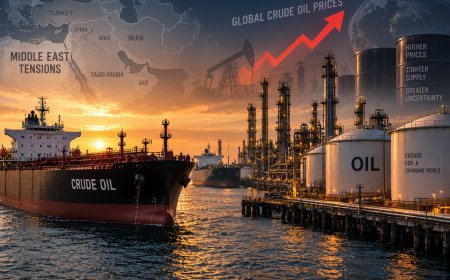
Saudi Aramco is shifting crude exports through Egypt's Sidi Kerir and resuming Gulf loadings as buyers avoid the Houthi-threatened Red Sea route via Yanbu.

Gulf Loadings Resume After Weeks of Disruption
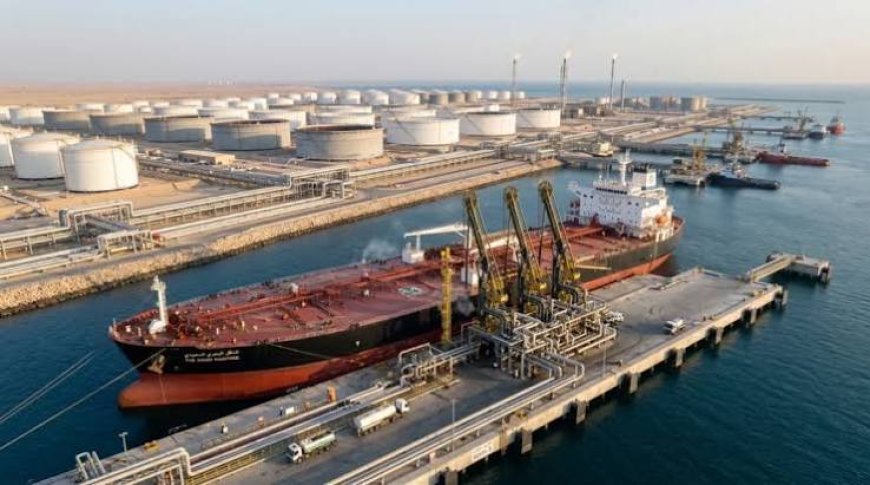
Saudi Aramco has restarted crude loadings from its terminals inside the Persian Gulf, with three very large crude carriers each taking on roughly two million barrels at the Ras Tanura and Juaymah terminals between August 12 and 16, following a three-week pause. The resumption offers a tentative sign of stabilizing conditions in a region that has faced repeated shipping disruptions tied to ongoing geopolitical tensions this year, though the broader picture remains far from settled.
Even as Gulf-side loadings pick back up, the kingdom is leaning increasingly on an alternative export route through Egypt, redirecting a growing share of crude north through the Suez Canal corridor to the Mediterranean port of Sidi Kerir rather than relying solely on the traditional southern route out of Yanbu on the Red Sea coast.
Houthi Threat Reshapes Shipping Decisions
The shift reflects mounting caution among international buyers wary of the Bab el-Mandeb Strait, the narrow waterway connecting the Red Sea to the Gulf of Aden that has become one of the most dangerous shipping corridors in the world amid continued Houthi attacks on commercial vessels. Several Asian buyers have reportedly pushed back against requests to load cargoes at Yanbu specifically because of the security risk, forcing Aramco to find workarounds that keep crude flowing without exposing tankers to the threatened route.
Rerouting through Sidi Kerir solves the immediate safety concern for European buyers in particular, since crude arriving there is already positioned on the Mediterranean and does not need to transit the contested southern corridor at all. Aramco began offering additional cargoes from the Egyptian port last month as shipowners grew increasingly reluctant to send vessels through the Red Sea, and the practice has expanded further in recent weeks as the security situation has shown no clear sign of easing.
A Costlier, More Complex Supply Chain
The rerouting comes at a price. Diverting cargoes through Egypt adds meaningful time and cost compared with the direct Red Sea route, expenses that ultimately factor into how competitively Saudi crude can be priced against rival suppliers. Industry data has also shown a sharp spike in supertanker charter rates on Gulf-to-Asia routes in recent weeks, reflecting the broader strain that regional shipping disruptions are placing on global oil logistics.
For Asian customers specifically, the combination of security concerns around Yanbu and the added expense of Egyptian rerouting has made September allocations more complicated to finalize than usual, even as Aramco has continued to prioritize full deliveries to select long-standing European refining partners.
Wider Context: A Region Under Pressure
The rerouting is playing out against the backdrop of a broader six-month standoff between the United States and Iran that has repeatedly disrupted shipping through the Strait of Hormuz, one of the world's most critical energy chokepoints, handling roughly a fifth of global oil and liquefied natural gas trade. That disruption has already contributed to a sharp contraction in Saudi Arabia's oil-sector output this year, even as the kingdom works to diversify its shipping options and maintain reliable deliveries to its largest customers.
Brent crude prices have climbed above  500,000 a day, underscoring just how tightly regional security concerns are now interwoven with global energy pricing.
What It Means Going Forward
For Saudi Arabia, the ability to keep crude moving — even through costlier, longer routes — has become a test of the kingdom's logistical resilience at a moment when regional stability remains fragile. Analysts note that further easing of tensions around the Strait of Hormuz could eventually allow Aramco to shift more volume back toward its traditional, more cost-effective export routes. Until then, the combination of resumed Gulf loadings and expanded Mediterranean rerouting looks set to remain the kingdom's preferred way of keeping oil flowing to customers around the world while minimizing exposure to the ongoing Red Sea security threat.
Next Article